 New added
Selimiye Mosque Nicosia
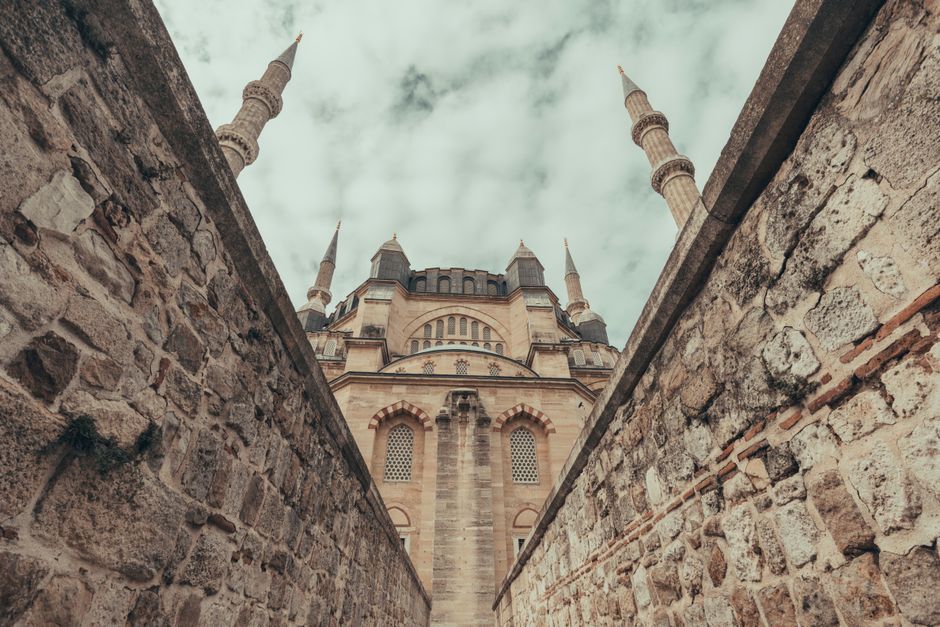
Rising dramatically above the tiled rooftops of northern Nicosia, this monument stands as the eastern Mediterranean’s most extraordinary Gothic palimpsest. Begun in 1209 under Latin Archbishop Thierry and consecrated in 1326, the structure was originally the Cathedral of Saint Sophia, where Cyprus’s French Lusignan kings were crowned. Its master masons imported textbook French High Gothic architecture to the Levant, engineering monumental flying buttresses, towering clerestory windows, and a triple-portal western facade adorned with finely chiseled stone tracery. The building’s trajectory altered permanently following the 1570 Ottoman siege of Nicosia, when conquerors stripped the Latin altars and grafted two 50-meter pencil minarets onto the unfinished medieval bell towers, rededicating the sanctuary as the city's principal mosque. Stepping barefoot through the monumental western porch onto deep-pile prayer carpets, visitors enter a breathtaking cross-cultural sanctuary. The soaring nave, whitewashed to obscure original Christian frescoes, feels cavernous and austere beneath rib-vaulted ceilings that mimic Parisian cathedrals. Because Christian basilicas align toward the east while Islamic devotion faces southeast toward Mecca, the interior carries an intriguing geometric tension: the ornate marble *minbar* (pulpit) and *mihrab* (prayer niche) sit conspicuously askew, angled diagonally across the nave's straight Gothic arcades. As afternoon light filters through high arched lancets, illuminating gilded Ottoman calligraphy shields hung from thirteenth-century stone piers, the profound silence magnifies eight centuries of shifting imperial and spiritual power.