 New added
National Museum Male
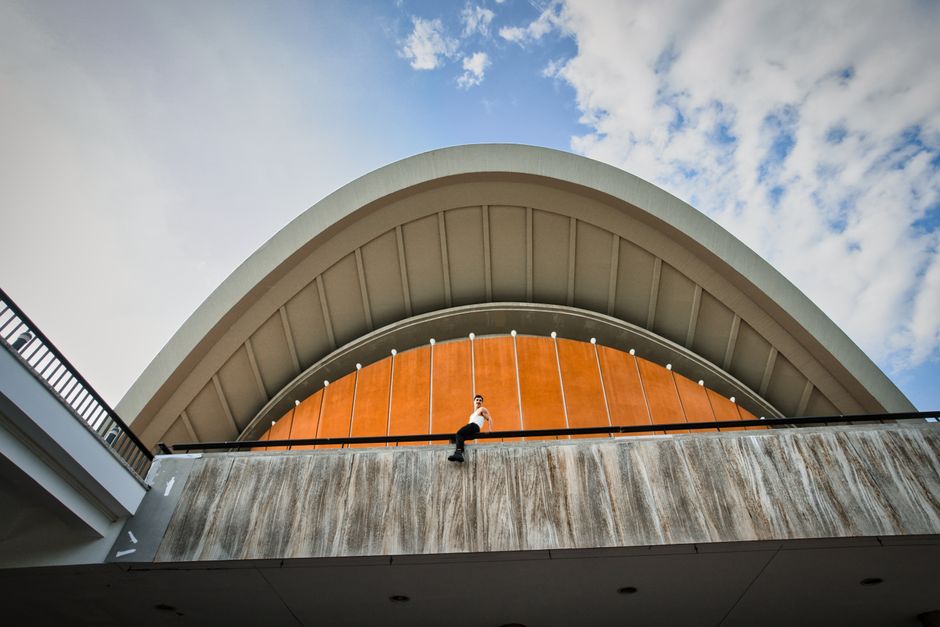
Inaugurated on National Day in November 1952 by Prime Minister Mohamed Amin Didi, the National Museum occupies the shaded grounds of Sultan Park, standing on the leveled site of the 17th-century Royal Palace. While the original institution was housed within the palace’s lone surviving three-story annex—the timber-framed *Us-Gekolhu*—today’s primary exhibits occupy a stark, geometric pavilion gifted by the Chinese government in 2010. Stepping past ancient banyans into the hushed, climate-controlled galleries, visitors immediately transition from tropical Malé into a chronologically rich narrative tracing the archipelago's profound shift from a pre-Islamic Buddhist kingdom to an enduring maritime sultanate. Inside, display cases illuminate delicate treasures rescued from regional atolls, including an 11th-century limestone Buddha head from Thoddoo and the 13th-century *Isdhoo Loamaafaanu* copper plates engraved with conversion decrees. As you walk the polished floors, the visual splendor of royal regalia comes into focus: ceremonial turbans woven with gold thread, intricate lacquerware boxes (*liye laajehun*), and the gilded throne of Sultan Mohamed Shamsuddeen III. The armory halts viewers with the heavy muskets and engraved daggers wielded by folk hero Mohamed Thakurufaanu, whose 16th-century guerrilla fleet expelled Portuguese colonizers, transforming the museum experience from quiet curation into an encounter with fierce island sovereignty.