 New added
Pashupatinath Temple
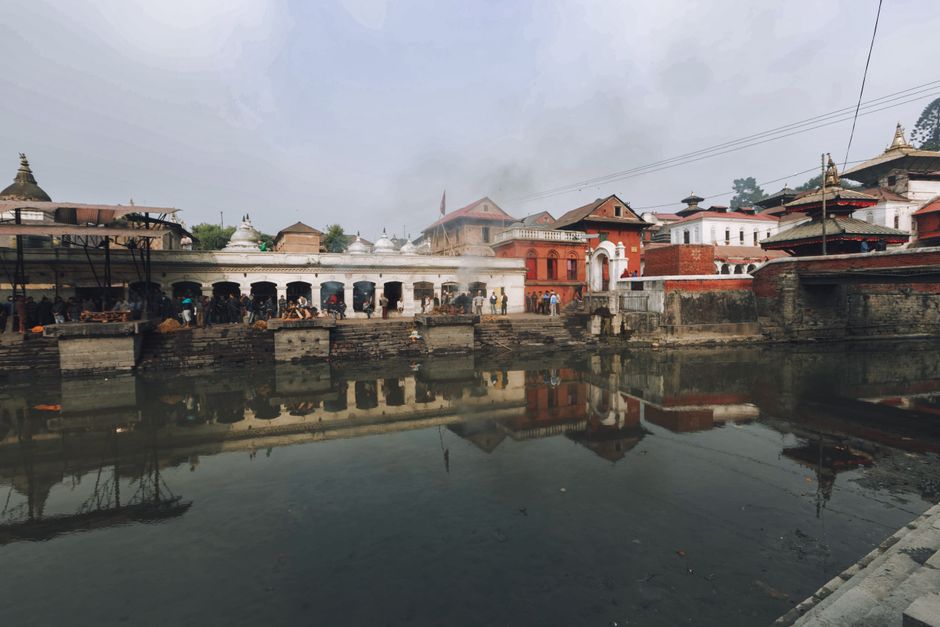
Straddling the sacred Bagmati River, Pashupatinath stands as the spiritual epicenter of the Kathmandu Valley, with foundational roots extending to the 5th-century Licchavi dynasty before King Bhupatindra Malla commissioned the present structure in 1697. The central sanctum exemplifies masterwork Nepalese pagoda architecture, defined by two soaring tiers of gilded copper roofs supported by wooden struts intricately carved with multifaceted depictions of Shiva. Four monumental silver-embossed doors seal the innermost chamber, safeguarding the revered four-faced black stone *Mukhalinga*. In the western courtyard, an immense bronze sculpture of Nandi the sacred bull kneels in quiet reverence, flanked by a complex labyrinth of 518 auxiliary stone shrines, stupas, and colonnades. Standing on the eastern river terrace opposite the main compound, travelers encounter an unfiltered, profound confrontation with the cycle of life and death. Thick plumes of incense, camphor, and burning pyre wood drift across the water from Arya Ghat, where families carry out open-air Hindu cremations on stone platforms. Ash-smeared, saffron-robed *sadhus* wander among stone courtyards as temple bells chime rhythmically against the murmur of prayer. As dusk settles, the riverbank ignites with the sensory spectacle of the evening *Maha Aarti*, where priests manipulate flaming three-tiered brass lamps to the thunder of drums and Sanskrit chanting, casting flickering amber light across the ancient stone steps.