
 New added
Carthage Ruins
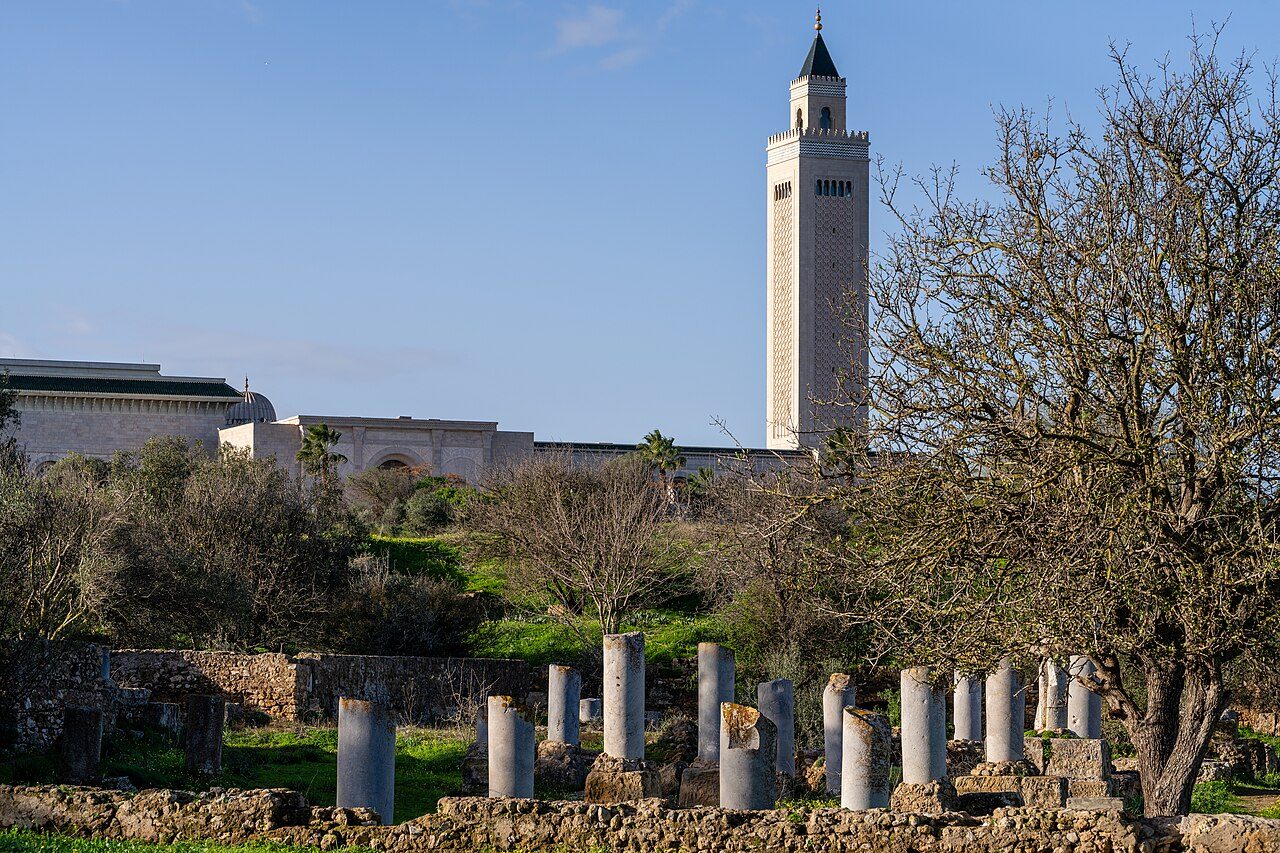
Perched above the turquoise waters of the Gulf of Tunis, the wind-scoured stone of Carthage charts the rise, annihilation, and resurrection of an ancient superpower. Founded by Phoenician settlers in 814 BCE and forever tied to the military genius of Hannibal Barca, this maritime empire was razed by Roman general Scipio Aemilianus in 146 BCE, only to be rebuilt under Julius Caesar and Augustus as Roman Africa’s grandest capital. At the summit of Byrsa Hill, visitors trace this violent transition through exposed, multi-story Punic residential quarters—characterized by narrow limestone walls and waterproof *punica pavimenta* floors—standing directly beneath the colossal red-brick foundations of the later Roman forum. Down along the coastline, the traveler confronts the awe-inspiring skeleton of the Baths of Antoninus Pius, inaugurated in 162 CE as one of the largest thermal complexes in antiquity. Though seismic tremors and pillaging stripped its marble cladding, the subterranean labyrinth of vaulted hypocaust chambers and cold-water cisterns remains remarkably intact. A single reconstructed gray-granite column shoots over fifteen meters into the sky, granting a visceral sense of the soaring *frigidarium* that once enclosed it. Walking among the sun-bleached ruins, surrounded by wild rosemary and the rhythmic hum of the Mediterranean surf, one encounters the chillingly quiet stelae of the Punic Tophet before taking in unobstructed vistas of the sea—a timeless panorama that witnessed the clash of the classical world’s fiercest rivals.
More in Tunis
Photo credits (3)
- Skander zarrad, CC BY-SA 4.0, via Wikimedia Commons
- Herbert Frank from Wien (Vienna), AT, CC BY 2.0, via Wikimedia Commons
- Noomen9, CC0, via Wikimedia Commons