
 New added
1 / 2
Prizren Fortress
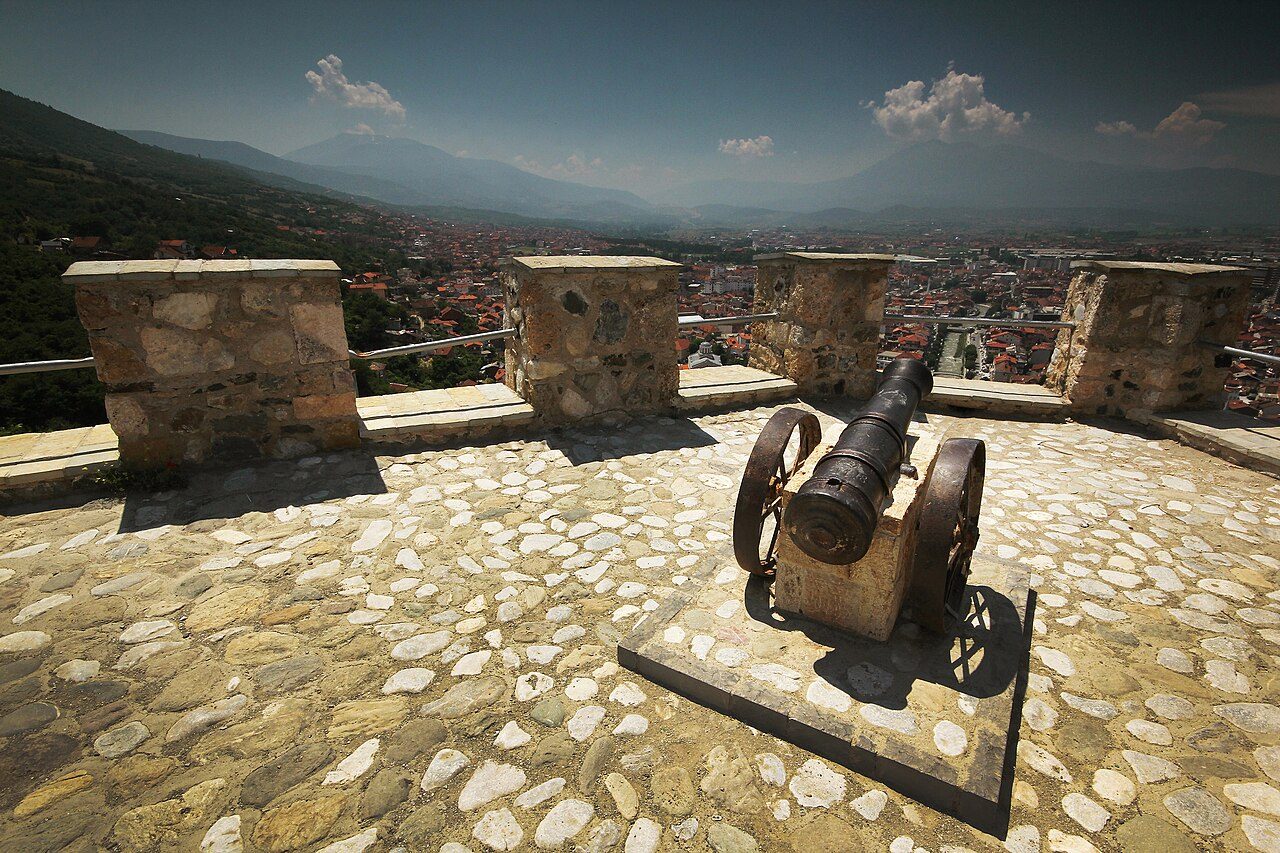
Perched high above the winding Lumbardhi River, the stone ramparts of the Kalaja chronicle millennia of imperial ambition. Though Bronze Age settlements first claimed this rocky spur, the fortress crystallized into a formidable citadel under Byzantine Emperor Justinian I, expanded under Serbian Tsar Stefan Dušan in the 14th century, and was ultimately reshaped into an expansive artillery bastion by the Ottomans. Passing through its fractured gateway reveals thick curtain walls, barrel-vaulted gunpowder magazines, and subterranean storehouses chiseled directly into the limestone bedrock. The complex’s distinct upper and lower quarters still preserve the rough-hewn masonry of these successive rulers, punctuated by weathered artillery platforms and watchtowers that once guarded the vital trade corridor between the Adriatic Sea and the Balkan interior. Ascending the steep, pine-shaded trail from the historic Potkalaja quarter, travelers emerge onto a windswept plateau that commands an intoxicating panorama of southern Kosovo. Below stretches a sea of terracotta rooftops, bisected by the Old Stone Bridge and pierced by the slender 17th-century minaret of Sinan Pasha Mosque. As late afternoon fades, the jagged, snow-dusted peaks of the Sharr Mountains shift from gold to deep violet, and the fortress ramparts become an acoustic amphitheater catching the layered echo of the evening call to prayer. Standing along the parapets in the mountain breeze, visitors encounter not merely a ruined garrison, but a living vantage point where centuries of Balkan history converge against the skyline.
More in Prizren
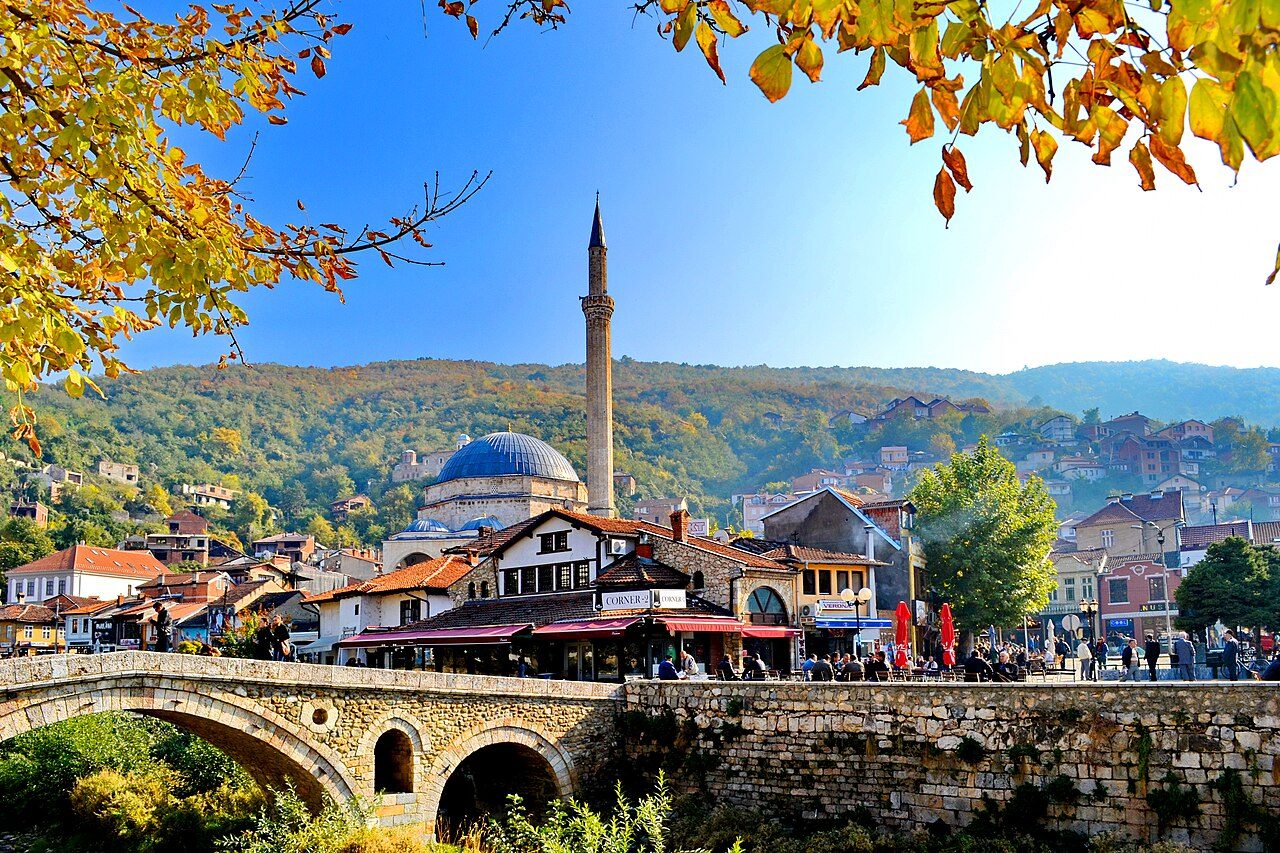
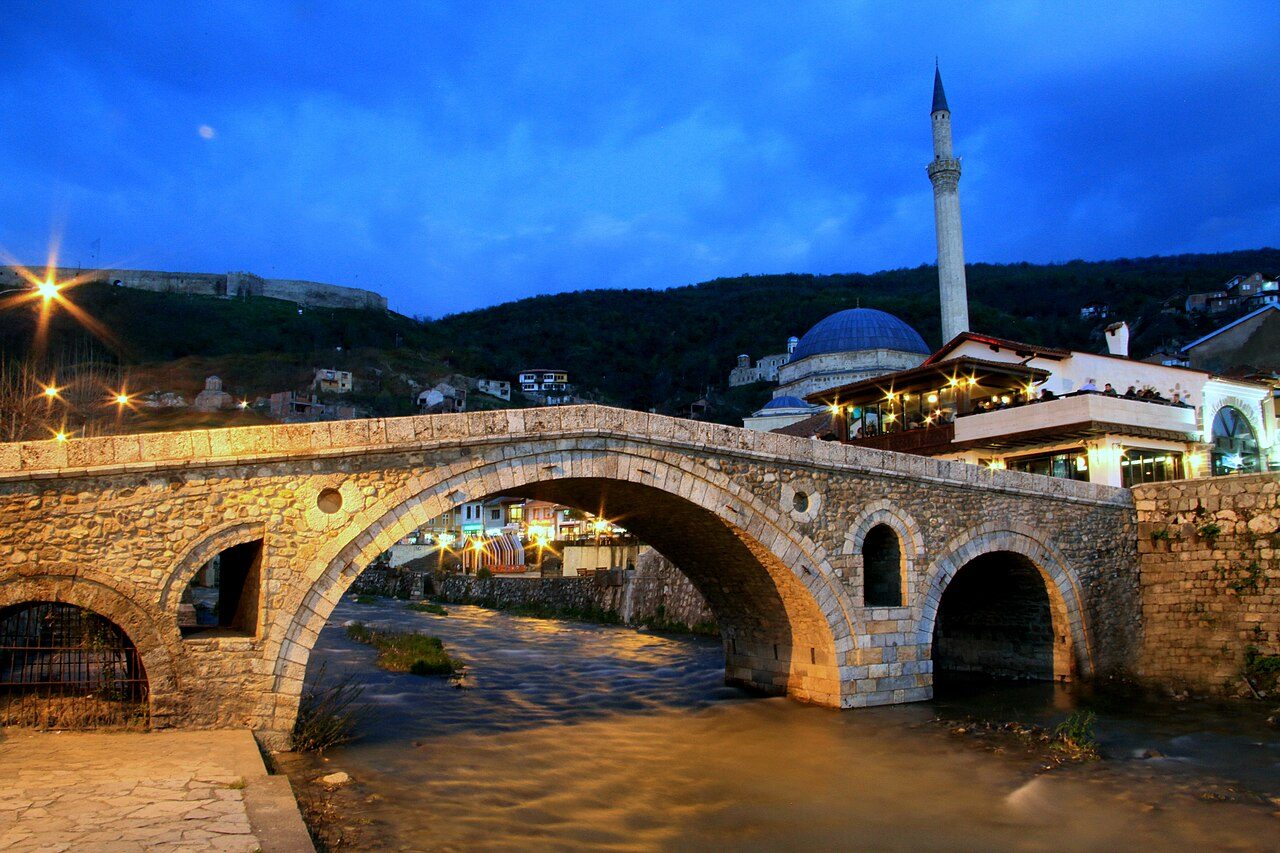
Photo credits (3)
- Bleron Çaka, CC BY-SA 3.0, via Wikimedia Commons
- ShkelzenRexha, CC BY-SA 3.0, via Wikimedia Commons
- Berat Hoxha, CC BY-SA 3.0, via Wikimedia Commons