 New added
Dublin Castle
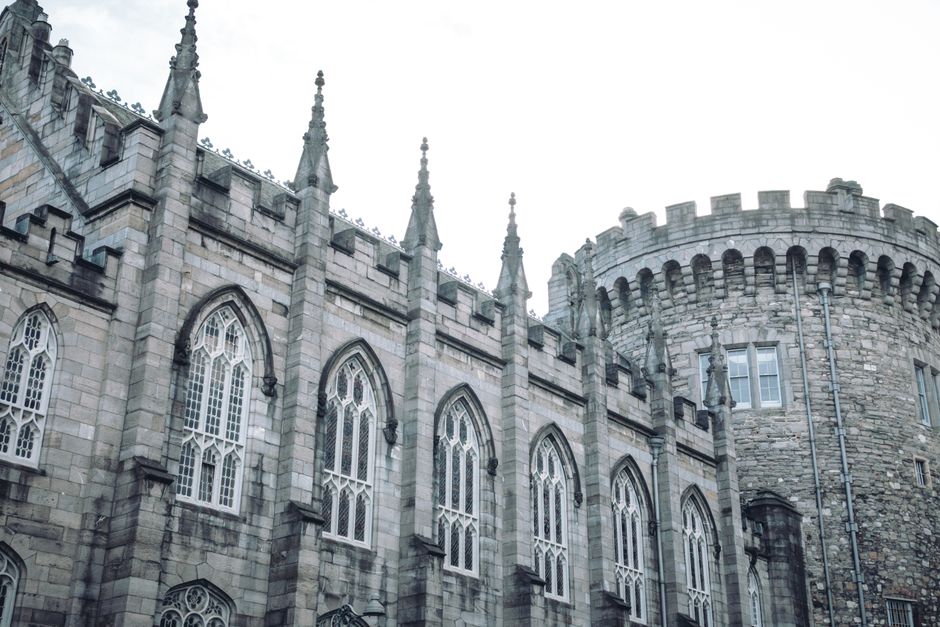
Commissioned in 1204 by King John of England upon a strategic Viking embankment, Dublin Castle served for over seven centuries as the fortified nerve center of British rule in Ireland. The lone surviving bulwark of that medieval fortress is the crenellated Record Tower, whose weathered limestone cuts a dramatic contrast against the vibrant red-brick Georgian facades enclosing the Upper Castle Yard. Following a catastrophic 1684 fire, the compound transitioned from an austere military citadel into an aristocratic administrative palace. Its halls bore witness to pivotal shifts in Irish sovereignty, culminating on January 16, 1922, when British Viceroy FitzAlan formally surrendered the castle keys to revolutionary leader Michael Collins. Within the opulent State Apartments, visitors encounter the ceremonial grandeur of Saint Patrick’s Hall, walking beneath Vincenzo Valdrè’s painted ceiling panels and glittering Waterford crystal chandeliers where Ireland’s modern presidents are inaugurated. Below ground, the experience turns elemental: wooden walkways wind through excavated subterranean chambers, exposing the damp, stone foundations of the thirteenth-century Powder Tower and Viking defense walls. Emerging back into daylight, travelers can trace the manicured Celtic spirals of the Dubh Linn Gardens, which bloom across the exact site of the historic "black pool" that lent Dublin its name.