
 New added
Skopje Fortress
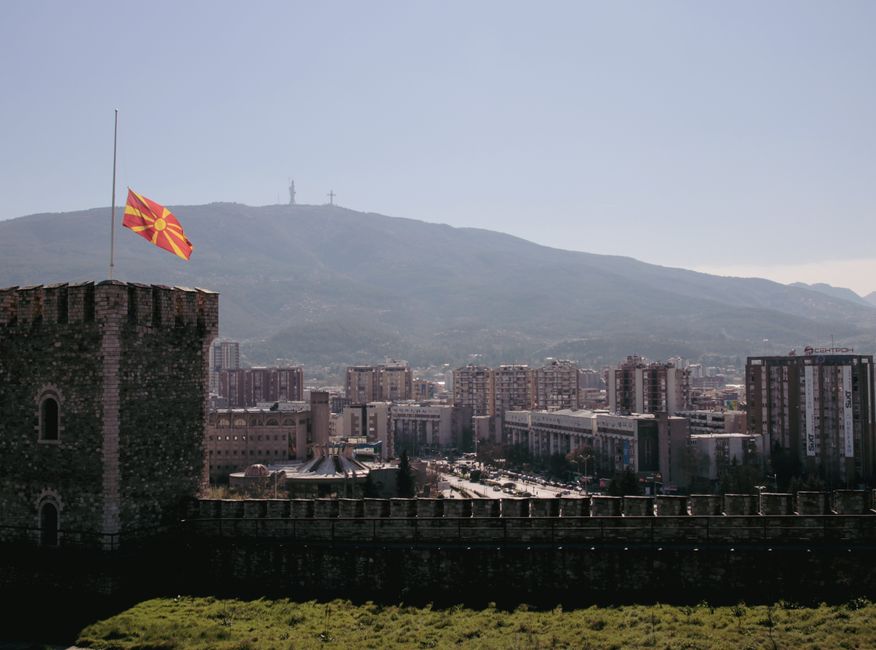
Crowning the limestone bluff above the Vardar River, the Skopje Fortress—locally known as the Kale—traces its origins to the 6th century, constructed under Byzantine Emperor Justinian I following a catastrophic earthquake that leveled the nearby Roman settlement of Scupi. Subsequent medieval rebuilds, particularly during the reign of Serbian King Stefan Dušan, who was crowned Emperor here in 1346, incorporated distinctive cyclopean blocks and yellow-toned ashlar masonry into the defensive perimeter. Ottoman garrisons later reinforced the citadel, raising imposing square and circular watchtowers along its perimeter, though much of the interior barracks crumbled during the devastating 1963 Skopje earthquake, leaving behind an evocative open-air archaeological park. Visitors who scale the steep northern approach find themselves pacing the length of the preserved 121-meter wall walk, treading rough stone corridors lined with defensive embrasures. Standing atop the battlements, travelers are enveloped by the mountain winds blowing down the Vardar valley and the rhythmic chime of church bells mingling with the call to prayer from the adjacent Old Bazaar. The vantage point provides an unvarnished cross-section of Macedonian history: directly below lie the red-tiled roofs of the historic quarter and the arches of the 15th-century Stone Bridge, framed in the distance by the monolithic Millennium Cross anchored to the peak of Mount Vodno.
More in Skopje
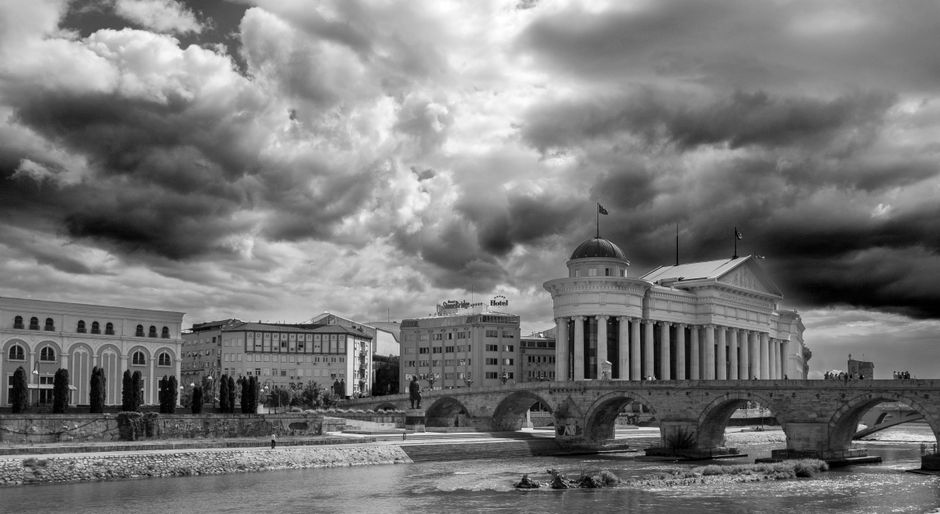
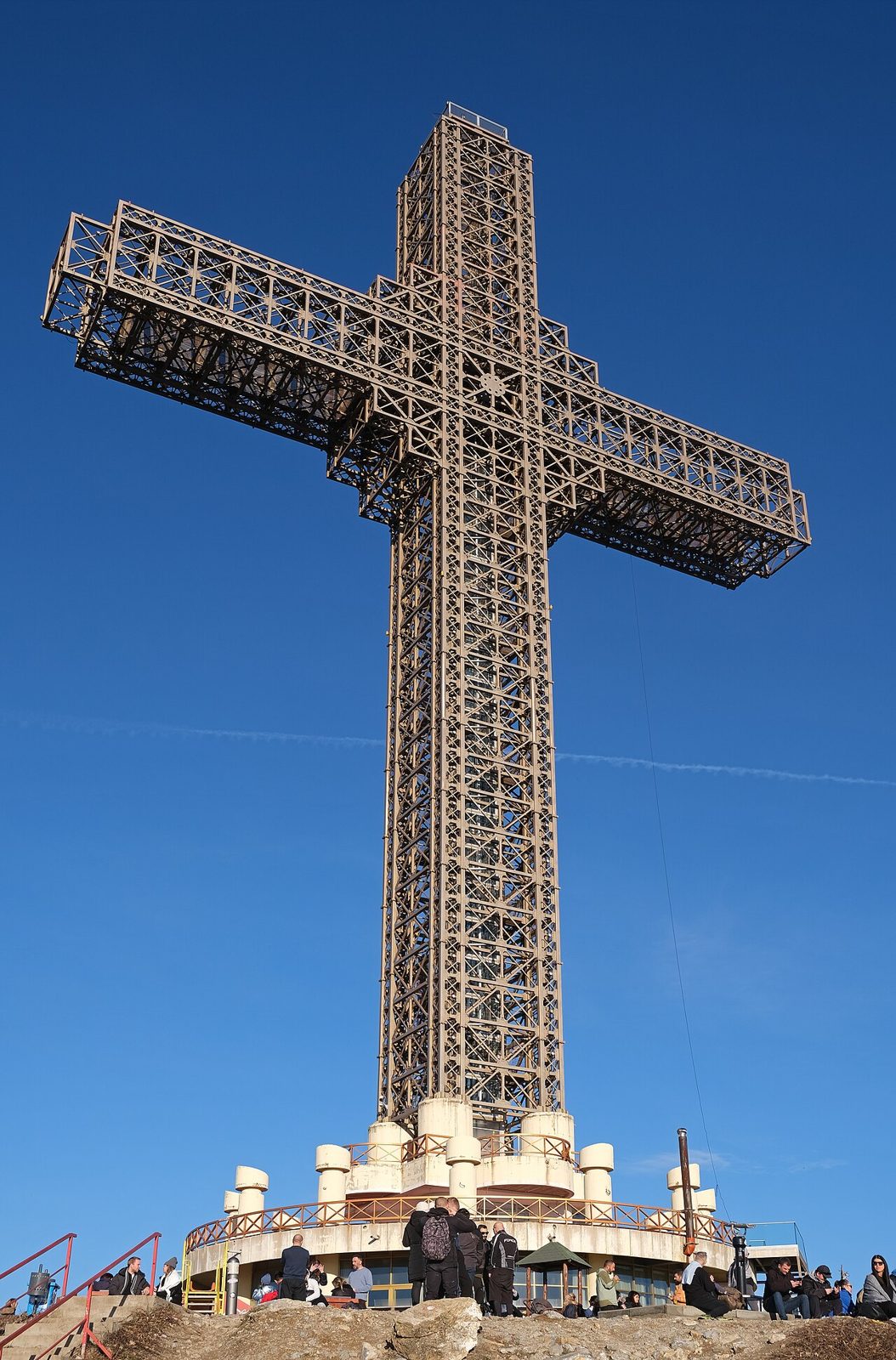
Photo credits (2)
- kallerna, CC BY-SA 4.0, via Wikimedia Commons
- kallerna, CC BY-SA 4.0, via Wikimedia Commons