 New added
Krakow Fortress
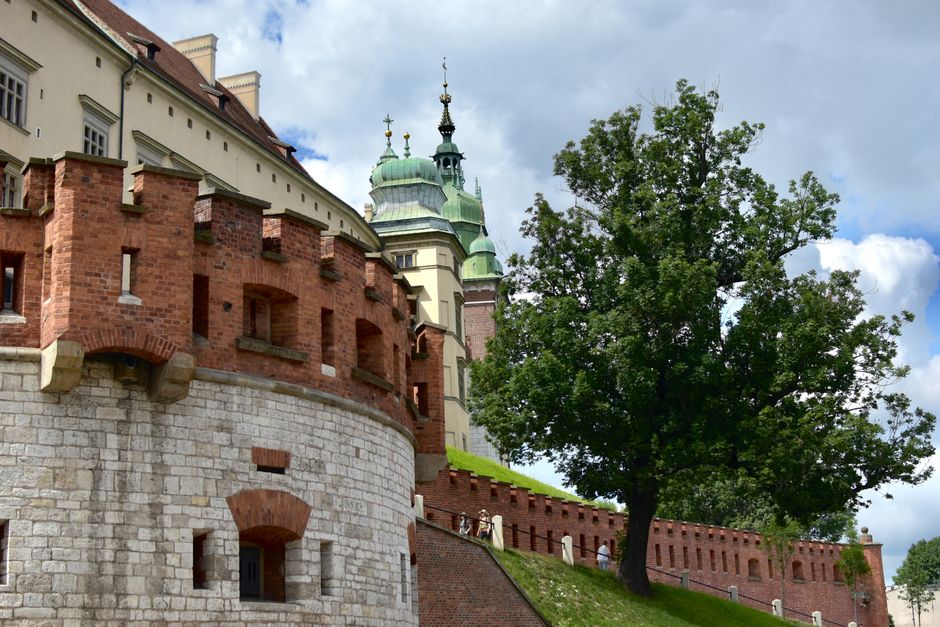
Conceived in the 1850s under Habsburg Emperor Franz Joseph I, the Krakow Fortress (*Festung Krakau*) transformed Poland’s ancient royal capital into an immense, multi-layered military redoubt engineered to shield the Austro-Hungarian frontier against Imperial Russia. Across three concentric defensive rings, imperial military architects erected dozens of specialized artillery bastions, infantry barracks, and entrenched redoubts. At Fort 2 "Kościuszko," engineers encased the sacred 1820s earthen memorial mound of Polish leader Tadeusz Kościuszko inside neo-Gothic, red-brick ramparts. These fortified structures combined deep granite revetments, subterranean gunpowder magazines, and armored steel observation cupolas—a formidable defensive complex that ultimately helped halt the tsarist advance during the pivotal Battle of Kraków in December 1914. Venturing into these scattered strongholds today immerses travelers in a quiet, labyrinthine world where raw imperial engineering meets reclaimed nature. In surviving strongpoints like Fort 49 "Krzesławice" or Fort 31 "Benedykt," visitors navigate subterranean caponiers where chilled air carries the sharp, mineral scent of century-old lime mortar. Narrow rifle embrasures slice through meter-thick brickwork, casting slanting beams of daylight across damp artillery corridors and vaulted casemates. Standing atop the turf-cloaked earthen bastions, the rusted iron hinges of blast doors frame sweeping, tranquil vistas of Kraków’s distant Renaissance spires, contrasting the tranquil modern skyline with the lingering weight of Europe’s imperial conflicts.