Yogyakarta
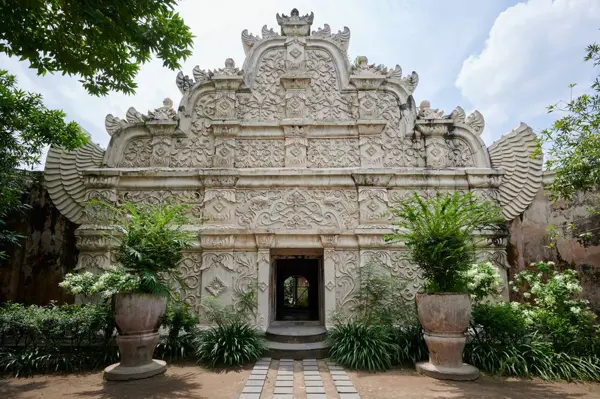
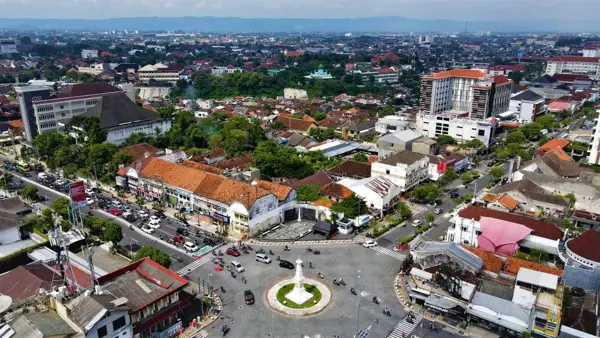
Sprawled across the fertile plains of south-central Java between the smoking summit of Mount Merapi and the pounding surf of the Indian Ocean, Yogyakarta moves to an unhurried, rhythmic cadence. Narrow residential lanes along the Code River give way to bustling thoroughfares where the rich aroma of clove cigarettes mingles with exhaust fumes and frying shallots. Wandering through its inner neighborhoods, you hear the resonant chime of gamelan gongs and see residents chatting on low stone porches beneath tiled roofs. Established in 1755 by Sultan Hamengkubuwono I after the Treaty of Giyanti partitioned the Mataram kingdom, the city remains an active sultanate. At its core stands the Kraton, an expansive walled palace complex tended by barefoot courtiers in traditional batik sarongs. Just south lies Taman Sari, a labyrinthine eighteenth-century water castle laced with sunken bathing pools and underground prayer halls. Further east, the quiet brick alleys of Kotagede preserve sixteenth-century carved wooden doorways and silver-beating workshops beside mossy royal tombs. Evenings bring open-air street stalls serving gudeg, a sweet and savory specialty of young jackfruit simmered for hours in coconut milk and palm sugar. During the annual Sekaten festival, crowds gather around the northern royal square to hear centuries-old gamelans ring out through the night. Plan your visit during the dry season between May and September, exploring on foot during the cooler morning hours or taking a pedal-powered becak to navigate the alleyways.
Read more
What's on in Yogyakarta
Southeast Asia's premier Asian cinema festival presenting hundreds of feature films, screenings, and cultural forums in Yogyakarta.
Official infoA unique year-end and New Year festival welcoming the year's first sunrise with live music, mindfulness sessions, and local markets.
Official infoEvents are collected automatically from the web. Dates can change, so please check the official information before you travel.