Yerevan
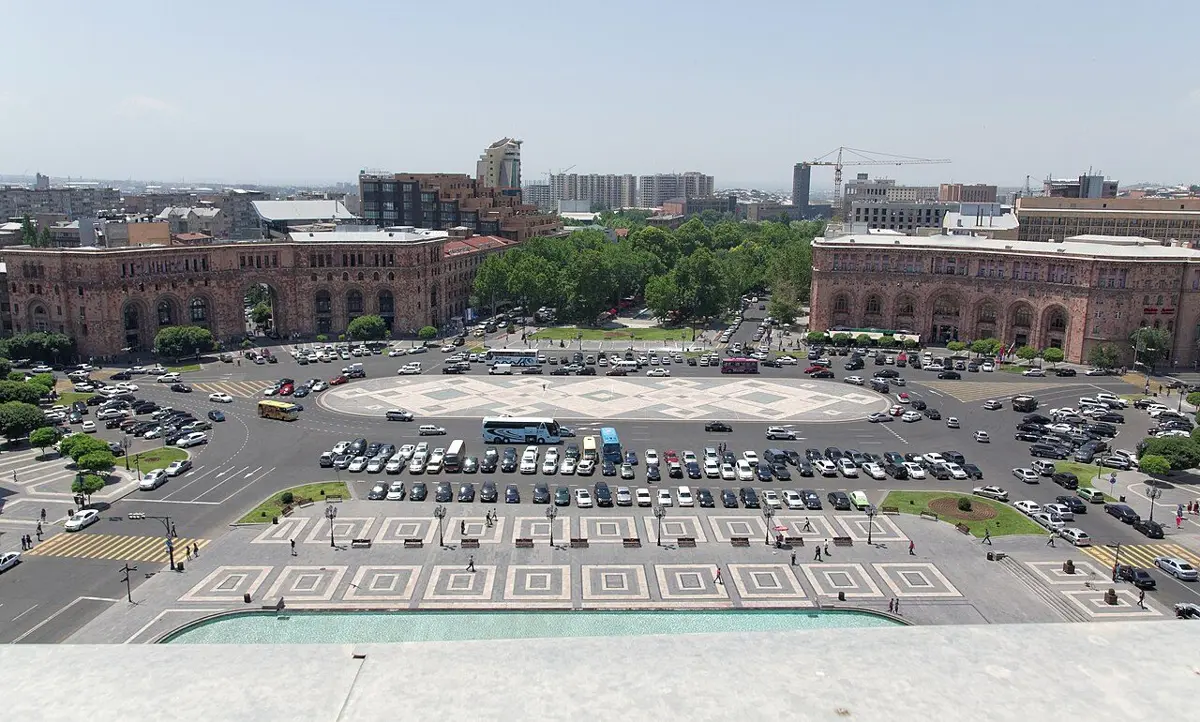
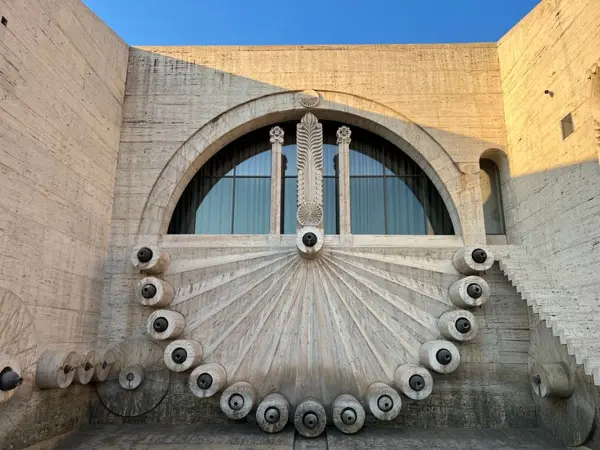
Sprawling across a sunbaked plateau along the Hrazdan River gorge, Yerevan frames clear southern views of snowcapped Mount Ararat across the Turkish border. Built largely from volcanic tuff in shades of dusty rose and ochre, the capital carries a distinct architectural warmth. Walking its circular center feels pleasantly unhurried: wide radial avenues open onto shaded park rings, and locals linger for hours over coffee at outdoor terraces long past sunset. King Argishti I founded the fortress city of Erebuni here in 782 BC, though much of the present urban plan was drawn by neoclassical architect Alexander Tamanyan in the 1920s. Republic Square forms the monumental focal point with its carved arches and evening fountain shows. Further north, the Cascade climbs a steep hillside as a massive limestone stairway filled with contemporary sculpture and open-air viewpoints. Just west of the grand boulevards sits Kond, a surviving seventeenth-century hillside quarter of winding dirt alleys and weathered stone cottages that reveals a vanished, pre-Soviet Yerevan. Food anchors everyday routines. At the lively GUM Market, vendors press samples of candied apricots, basturma, and walnut sujukh onto visitors beside stacks of fresh lavash. In midsummer, the entire city takes to the streets to douse each other with buckets of water during Vardavar, an ancient holiday honoring water and renewal. Early autumn offers the best traveling weather, bringing warm afternoons and cool evenings. The compact core is easily explored on foot or via the single-line metro, with inexpensive local taxi apps filling any transit gaps.
Read more