Tyre
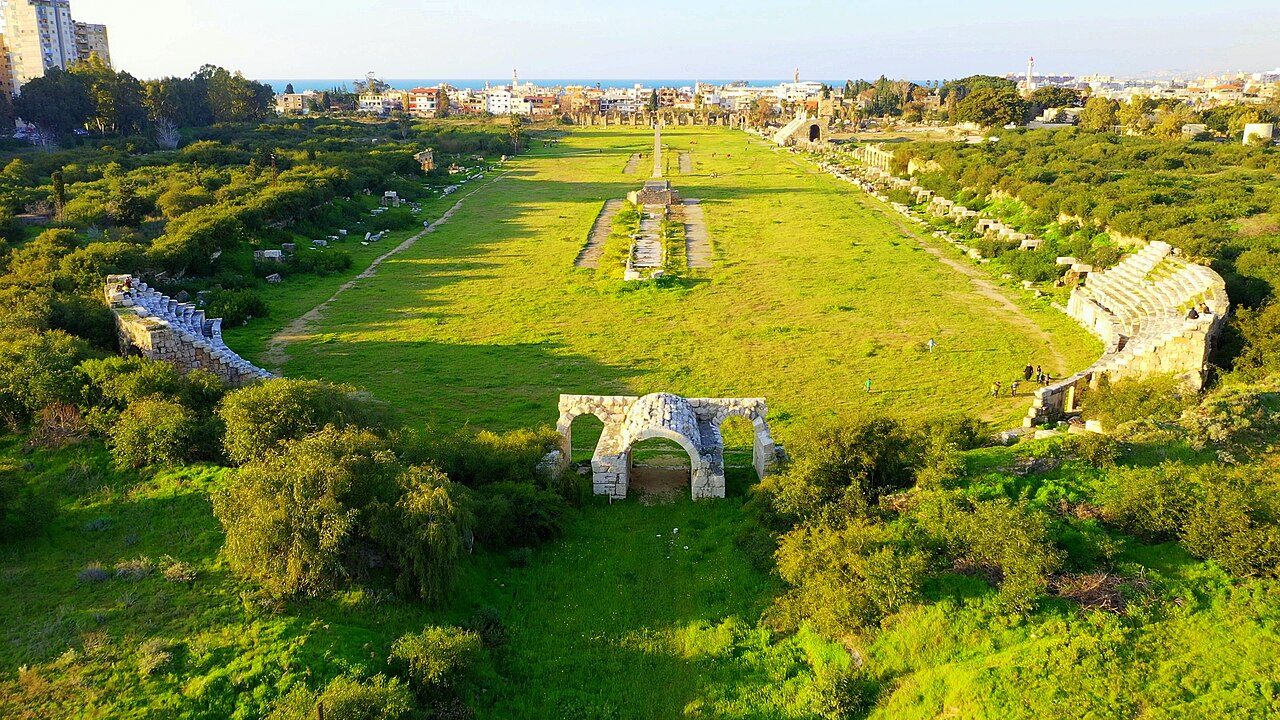
Tyre projects into the Mediterranean from southern Lebanon’s coastal plain, surrounded by water on three sides. Narrow alleys wind through the pastel-washed Christian quarter, where bougainvillea drapes over blue shutters and laundry dries in sea salt air. Walking past arched Ottoman houses toward the harbor, the city feels unhurried, grounded by fishermen untangling green nets against weathered stone quays. Founded by the Phoenicians in the third millennium BC, this maritime power famously resisted Alexander the Great before falling in 332 BC. Today, its heritage spans two distinct archaeological parks. The inland Al-Bass site holds an enormous second-century Roman hippodrome and a necropolis lined with carved marble sarcophagi. Out on the peninsula, the Al-Mina ruins feature grand colonnaded streets stepping down to submerged Byzantine piers, while the vibrant covered souk hums nearby with vegetable sellers and spice traders. Mornings begin with bowls of cumin-dusted foul mudammas and fatteh near the harbor, followed by lunches of grilled red mullet caught by local skiffs. In midsummer, the Roman ruins host the Tyre International Festival, filling ancient colonnades with live music. The historic core is compact and easily covered on foot. Visit during May or October, when the humid summer heat breaks and late-afternoon light cuts across the seaward ruins.
Read more