
Tiberias
Tiberias clings to the western shore of the Sea of Galilee, resting more than two hundred meters below sea level in northern Israel’s rift valley. Backed by steep volcanic slopes, the town carries a distinct, sultry air. Walking through the lower quarter means encountering dark basalt masonry, palm-lined avenues, and an open lakeside promenade where water gently laps against stone piers. Founded around 20 CE by Herod Antipas and named for Roman Emperor Tiberius, the city later became a sanctuary for Jewish scholarship, serving as the compilation site for the Jerusalem Talmud. Today, historical remnants sit side by side along the waterfront. At Hamat Tiberias National Park, natural mineral hot springs steam beside the preserved fourth-century Severus synagogue, renowned for its intricate zodiac floor mosaic. Uphill, pilgrims gather around the open-air Tomb of Maimonides, honoring the twelfth-century philosopher, while the weathered black ramparts erected by Ottoman ruler Zahir al-Umar still frame the old city district. Local food centers on the open-air municipal shuk and waterfront taverns serving St. Peter’s fish, which is typically fried whole and served with tahini, cumin, and wedges of lemon. Evenings center on the promenade, where families participate in the customary sunset stroll as excursion boats return to port. Visit between November and April to avoid the oppressive heat of the sunken basin. The central lakeside district is easily covered on foot, while local buses connect you to the southern thermal pools and surrounding beaches.
Read more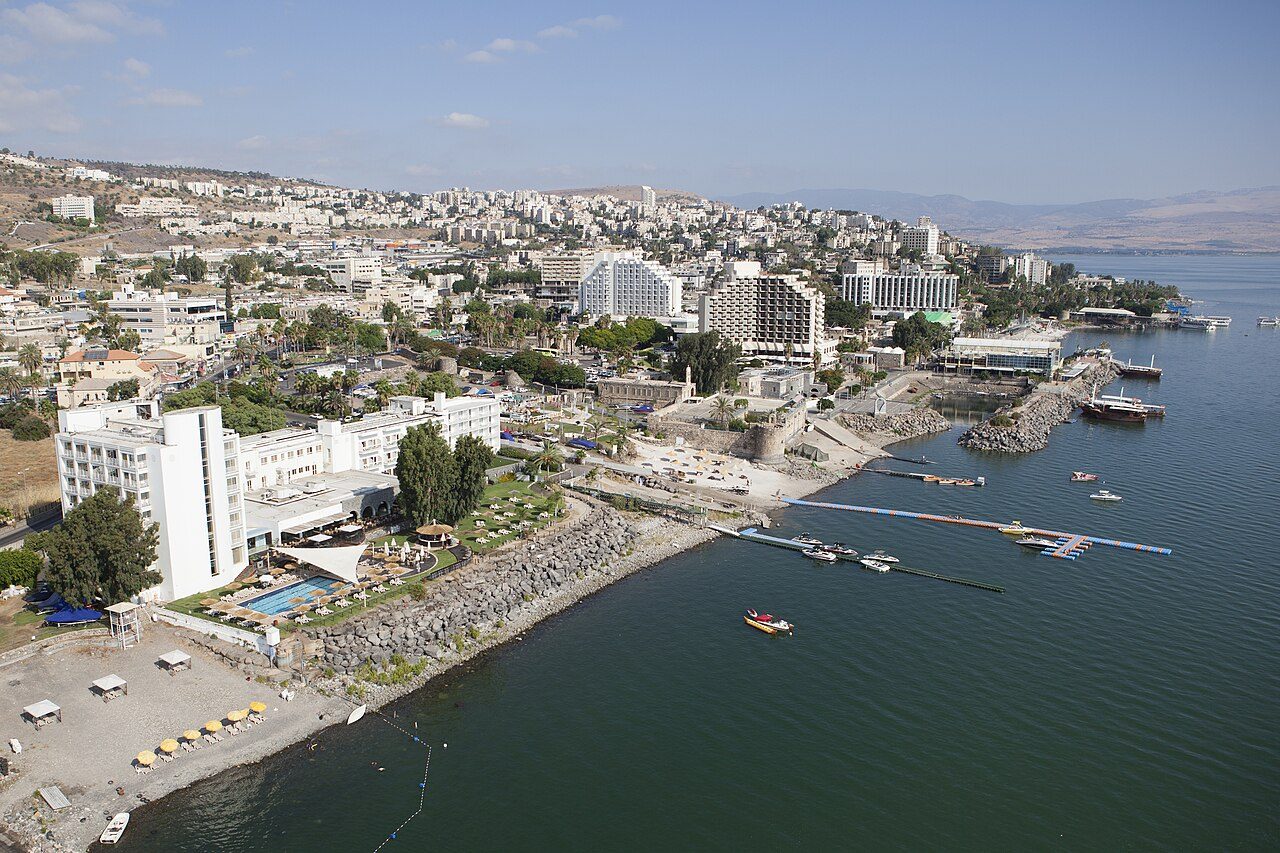
What to see in Tiberias
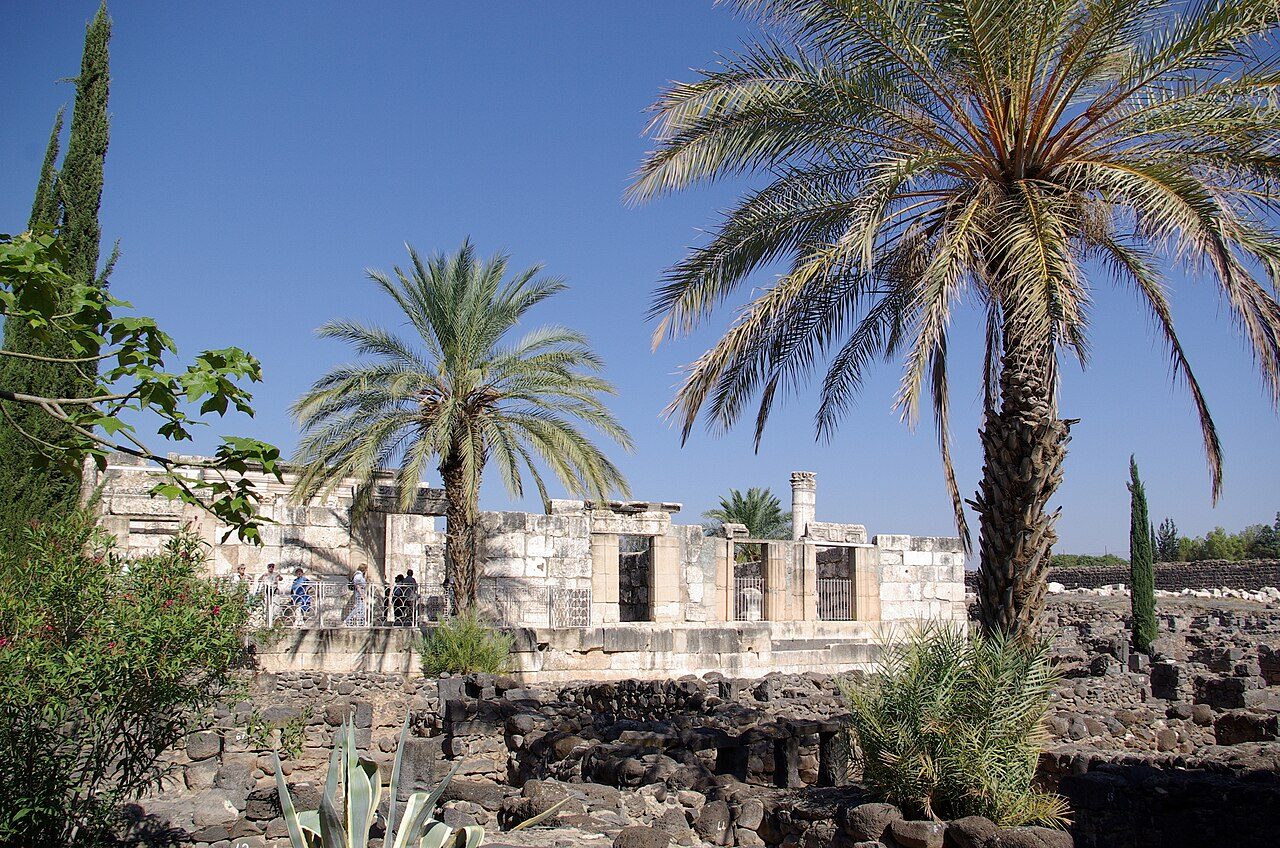
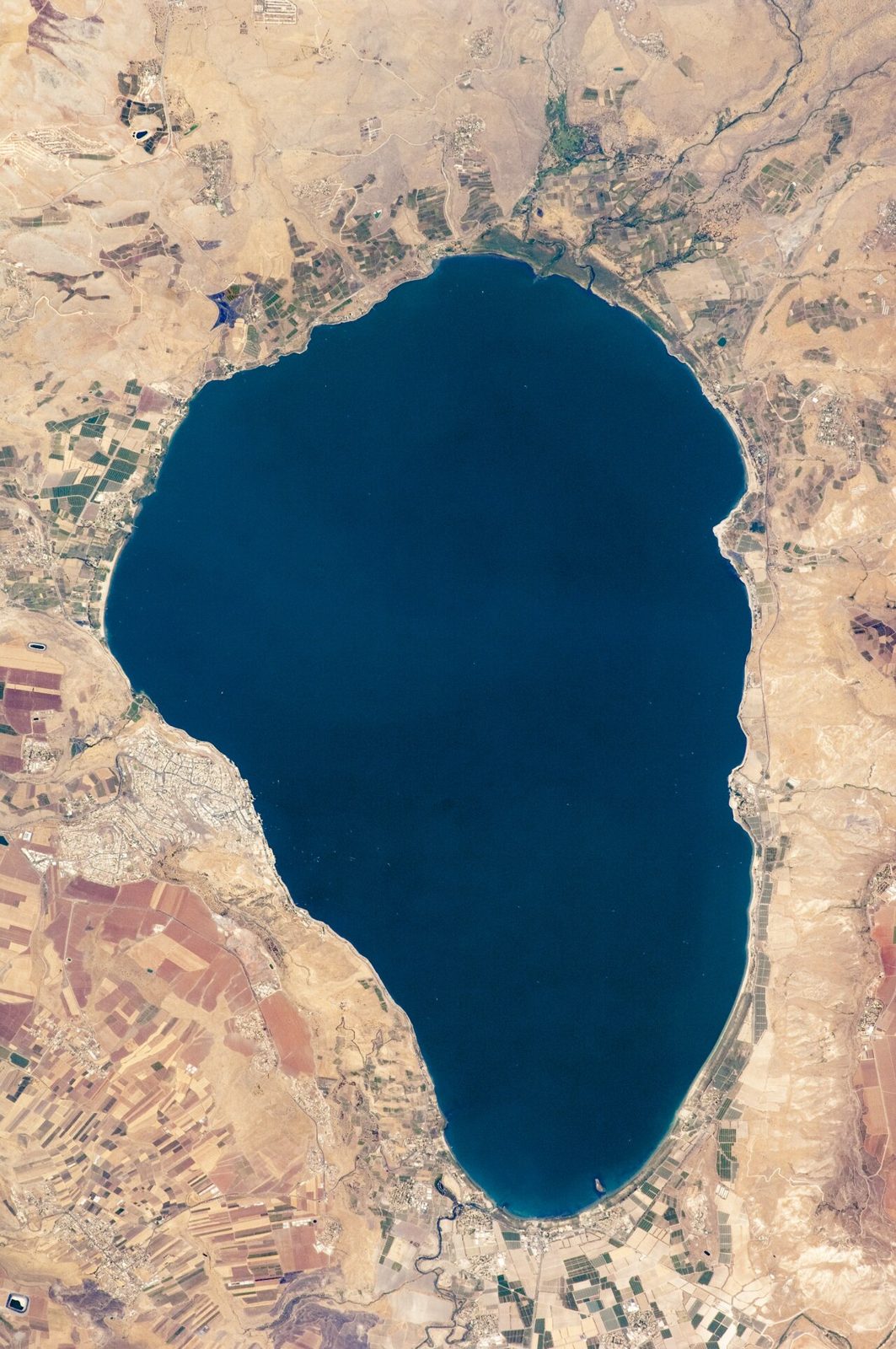
Photo credits (3)
- israeltourism from Israel, CC BY-SA 2.0, via Wikimedia Commons
- Berthold Werner, Public domain, via Wikimedia Commons
- This image was taken by the NASA Expedition 20 crew., Public domain, via Wikimedia Commons