
Tel Aviv
Tel Aviv unfurls along the eastern Mediterranean coast, bounded by the Yarkon River to the north and sandy beaches running its entire western edge. Walking through the city means moving between the salty spray of the seafront promenade and the shaded avenues inland, where electric bikes hum beneath the dense canopies of ficus trees. The atmosphere is casual, intense, and Mediterranean, with sunbathers wandering past street-side espresso bars and neighbors conversing across backgammon boards. Founded in 1909 on sand dunes outside the port of Jaffa, the city grew dramatically in the 1930s when European architects brought modernist design to the region. The resulting White City encompasses thousands of Bauhaus structures concentrated around Rothschild Boulevard. Southward, historic Jaffa contrasts this modernity with limestone alleys, Ottoman clock towers, and an active fishing harbor. In between sits Neve Tzedek, established in 1887, known for its quiet pedestrian lanes, restored tiled cottages, and small art galleries. Appetites converge at the Carmel Market, where vendors pile fresh figs and za'atar beside stalls frying eggplant for sabich and pressing pomegranate juice. As Friday afternoon approaches, the market frenzy transitions into the stillness of Shabbat, when crowds migrate to Gordon Beach with wooden matkot paddles before sunset. Late spring and autumn offer the most comfortable weather, avoiding the heavy summer humidity. The flat terrain makes renting a municipal bicycle the quickest way to navigate the grid.
Read more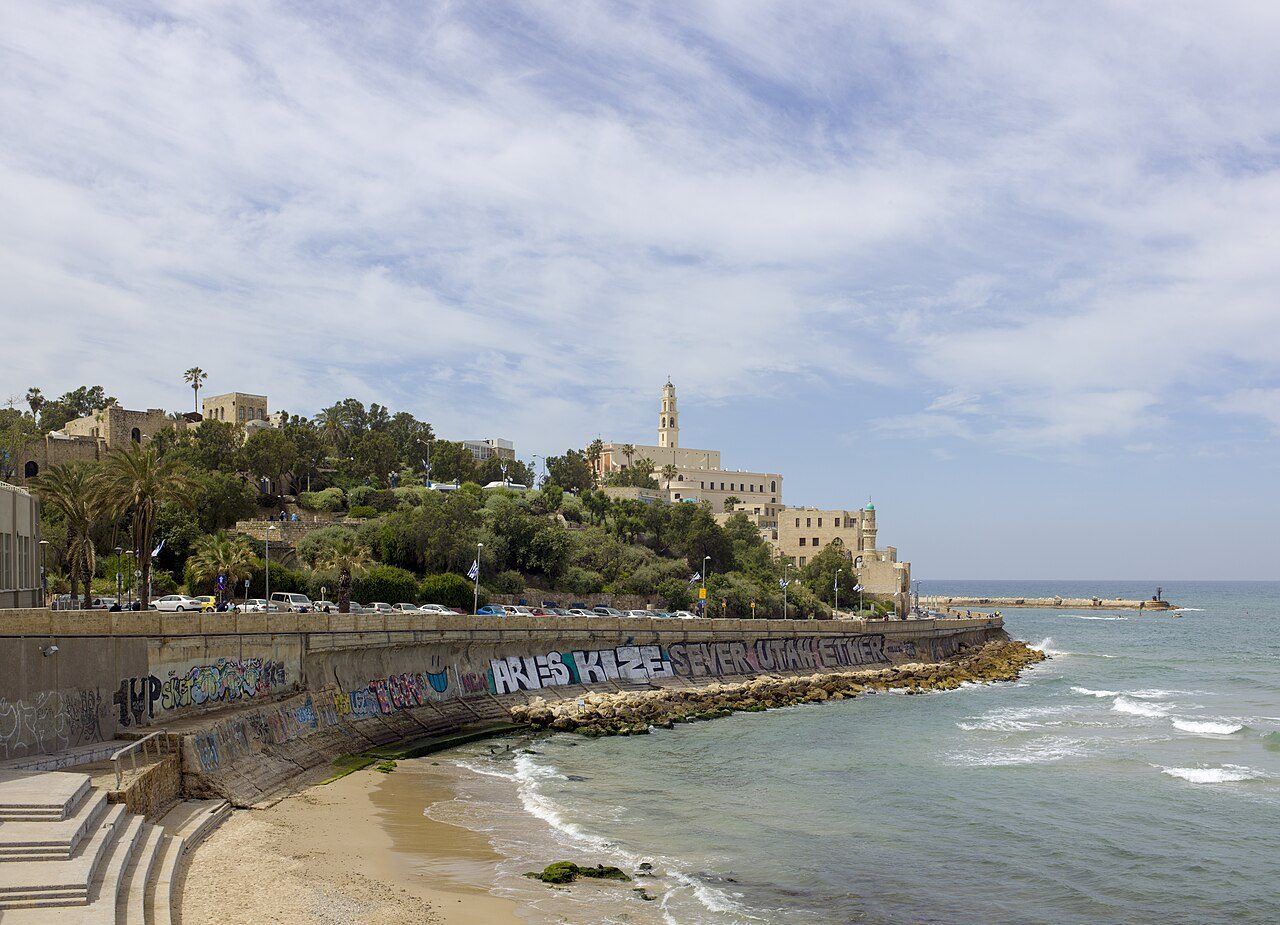
What to see in Tel Aviv
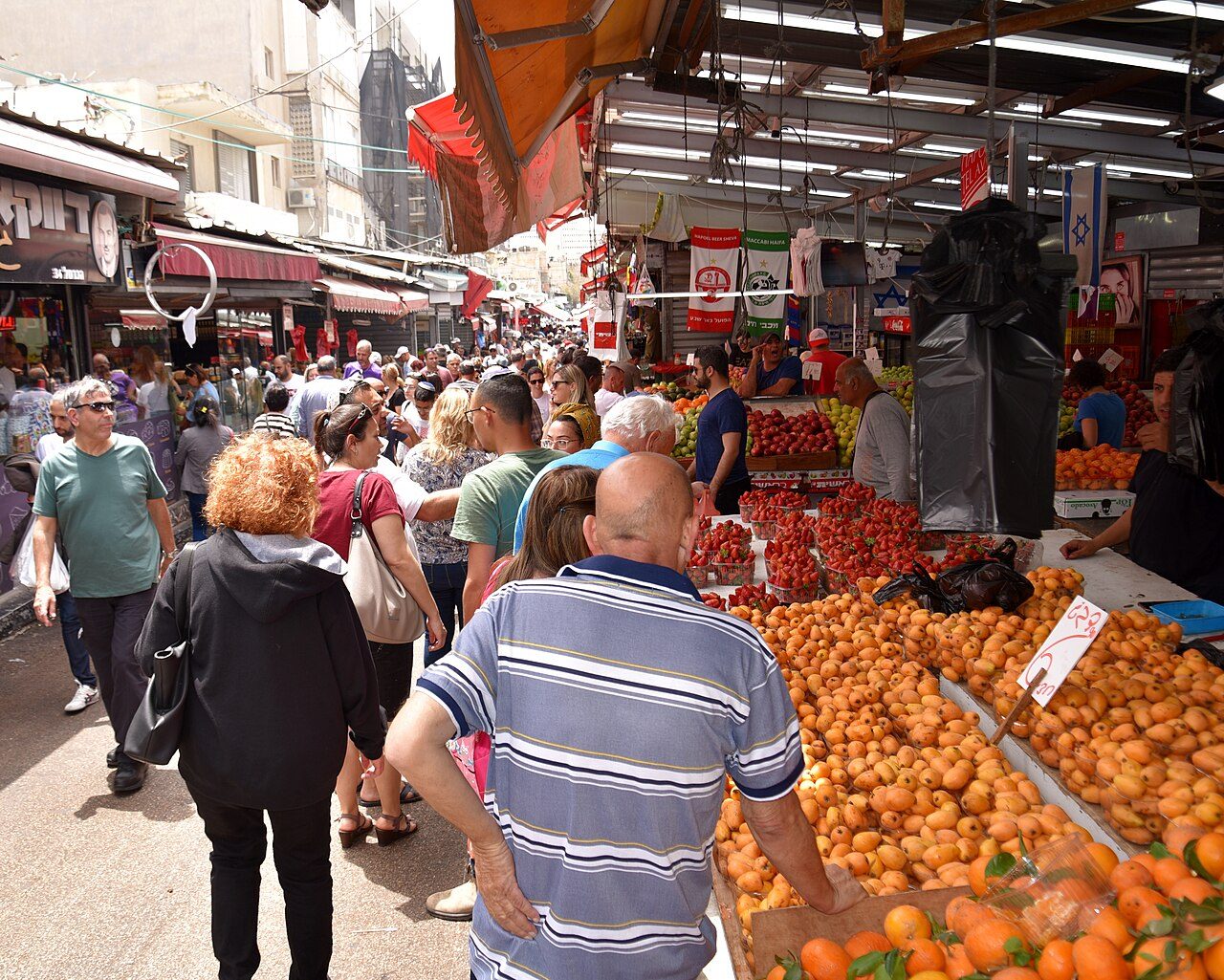
Photo credits (2)
- Godot13, CC BY-SA 4.0, via Wikimedia Commons
- Bahnfrend, CC BY-SA 4.0, via Wikimedia Commons