
Tagbilaran
Tagbilaran rests along the southwestern coast of Bohol, looking across a narrow sea strait toward the limestone shores of Panglao Island. Walking through its grid of streets, you step into an unhurried provincial capital where salty air mingles with exhaust from brightly painted tricycles and the shade of mature acacia trees. The town moves to an easy cadence, balancing gentle sea breezes with the steady hum of morning trade. The city traces its most famous historical moment to March 1565, when Spanish explorer Miguel Lopez de Legazpi and Chieftain Datu Sikatuna performed the Sandugo blood compact, an encounter commemorated today by bronze statues overlooking the water in Barangay Bool. In the urban core, Plaza Rizal fronts Saint Joseph the Worker Cathedral, established by Jesuit missionaries in the late sixteenth century and rebuilt in stone after an 1855 fire. Just across the plaza, the National Museum Bohol occupies a restored 1860 provincial capitol, showcasing regional archaeology, textiles, and maritime artifacts. Daily life converges at the Dao Public Market, where vendors stack mounds of sweet kalamay sealed inside polished coconut shells alongside fresh jackfruit and dried squid. Every May, the streets fill with rhythmic drumming during the Saulog Tagbilaran festival, celebrating Saint Joseph through neighborhood dance troupes. Getting around is straightforward using the city tricycles, which run set fares across every district. For comfortable weather, visit between December and April, timing your town walks for the cooler late afternoon hours.
Read more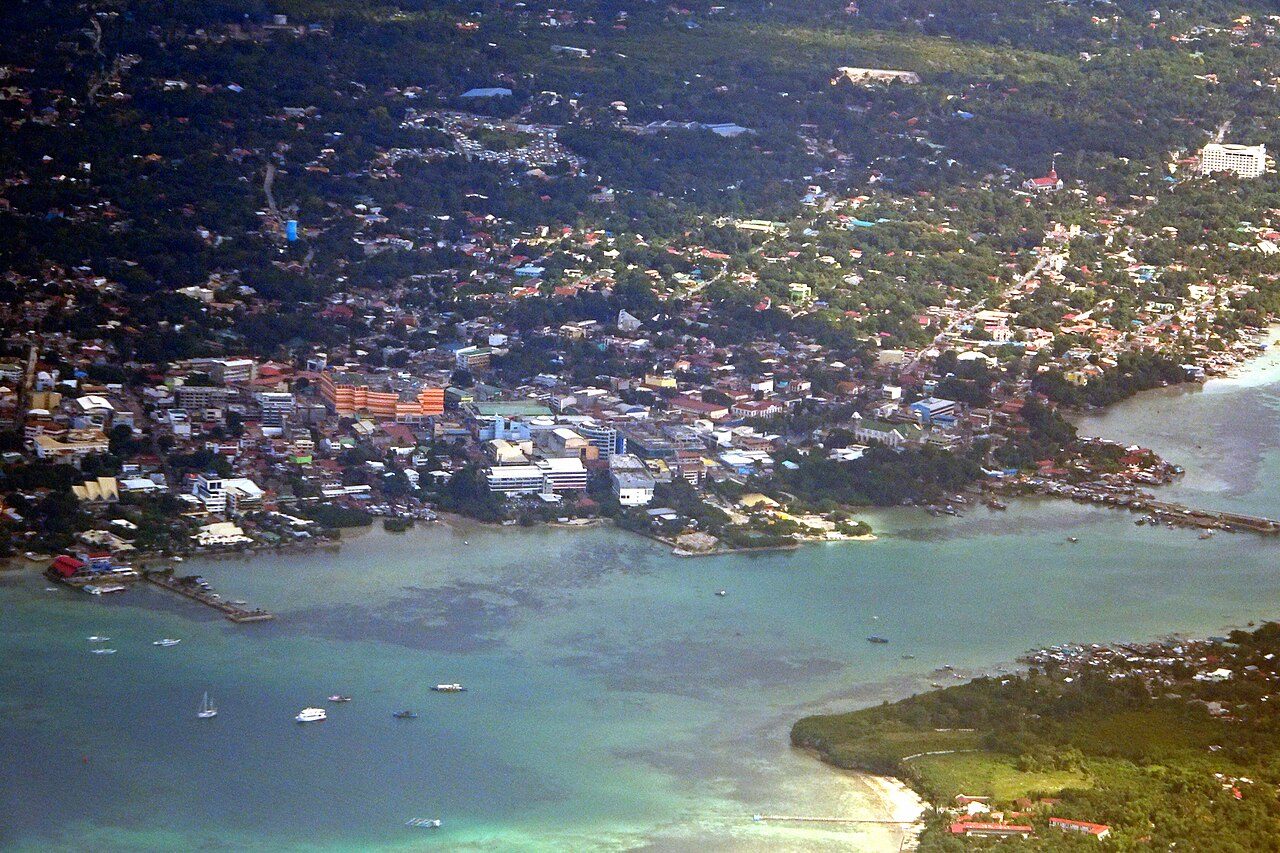
What to see in Tagbilaran
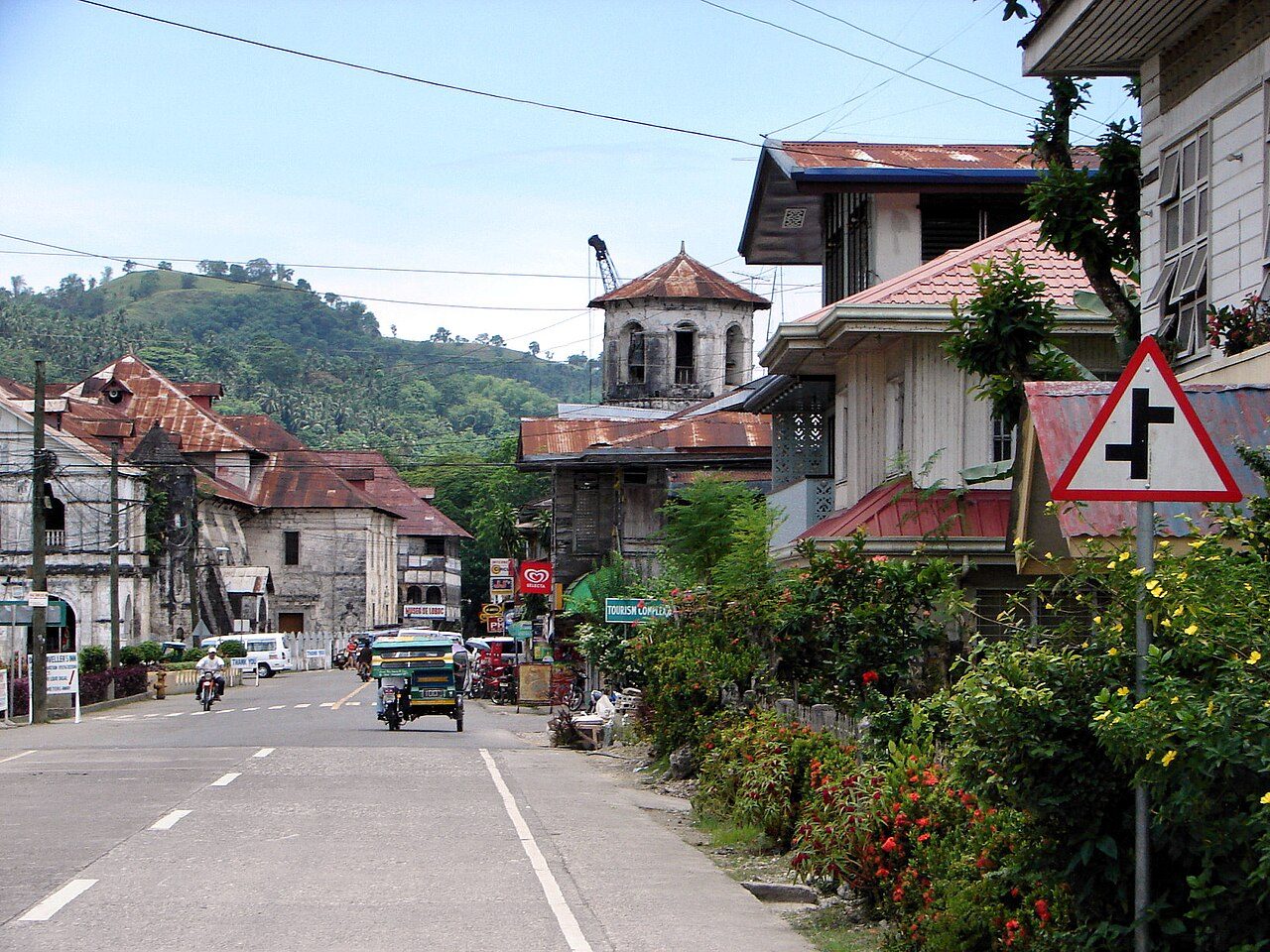

Photo credits (3)
- P199, CC BY-SA 3.0, via Wikimedia Commons
- P199, CC BY-SA 3.0, via Wikimedia Commons
- P199, CC BY-SA 3.0, via Wikimedia Commons