
Tabriz
Cradled beneath the red clay slopes of Mount Eynali in northwestern Iran, Tabriz carries the crisp, invigorating air of the Azerbaijani plateau. Walking through its broad avenues, you hear Azerbaijani Turkish echoing between stone shopfronts and shaded chai-khanas. The city feels industrious yet deliberate, shaped by its position along ancient Silk Road passes and the cold winds descending from the volcanic massif of Mount Sahand. As the Safavid imperial capital established by Shah Ismail I in 1501, Tabriz retains a grand architecture built to endure both conquerors and earthquakes. At its heart lies the Grand Bazaar, a vaulted labyrinth of yellow brick where the Timcheh-ye Mozaffariyeh hall trades hand-knotted silk carpets beneath high cupolas. Nearby, the Blue Mosque, erected in 1465 under the Kara Koyunlu ruler Jahan Shah, reveals surviving fragments of deep cobalt tilework. To the south, the hulking brick ramparts of the fourteenth-century Arg-e Tabriz citadel testify to centuries of siege and reconstruction. Mornings center on salty Lighvan sheep cheese paired with hot sangak flatbread, followed in the afternoon by rich Tabrizi kofta, large meatballs stuffed with walnuts and dried plums. Locals gather along the terraced waters of the El Goli park pavilion on cool evenings, sipping black tea infused with cardamom. Visit between May and October to bypass freezing highland winters. A clean metro line links major avenues, though shared yellow taxis remain the most direct way to weave between historic quarters.
Read more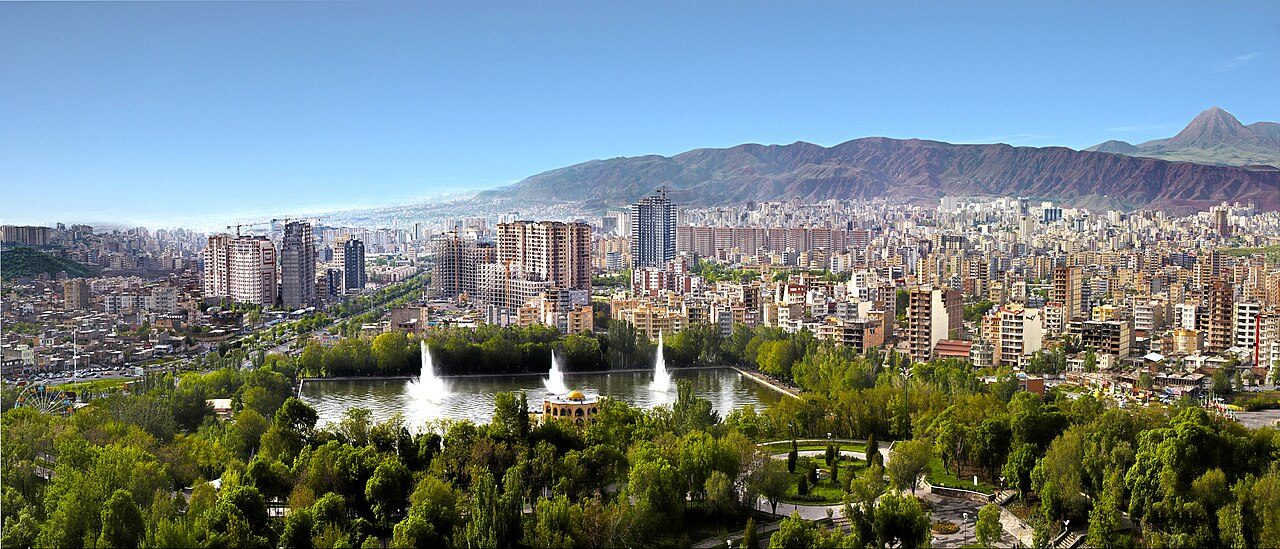
What to see in Tabriz
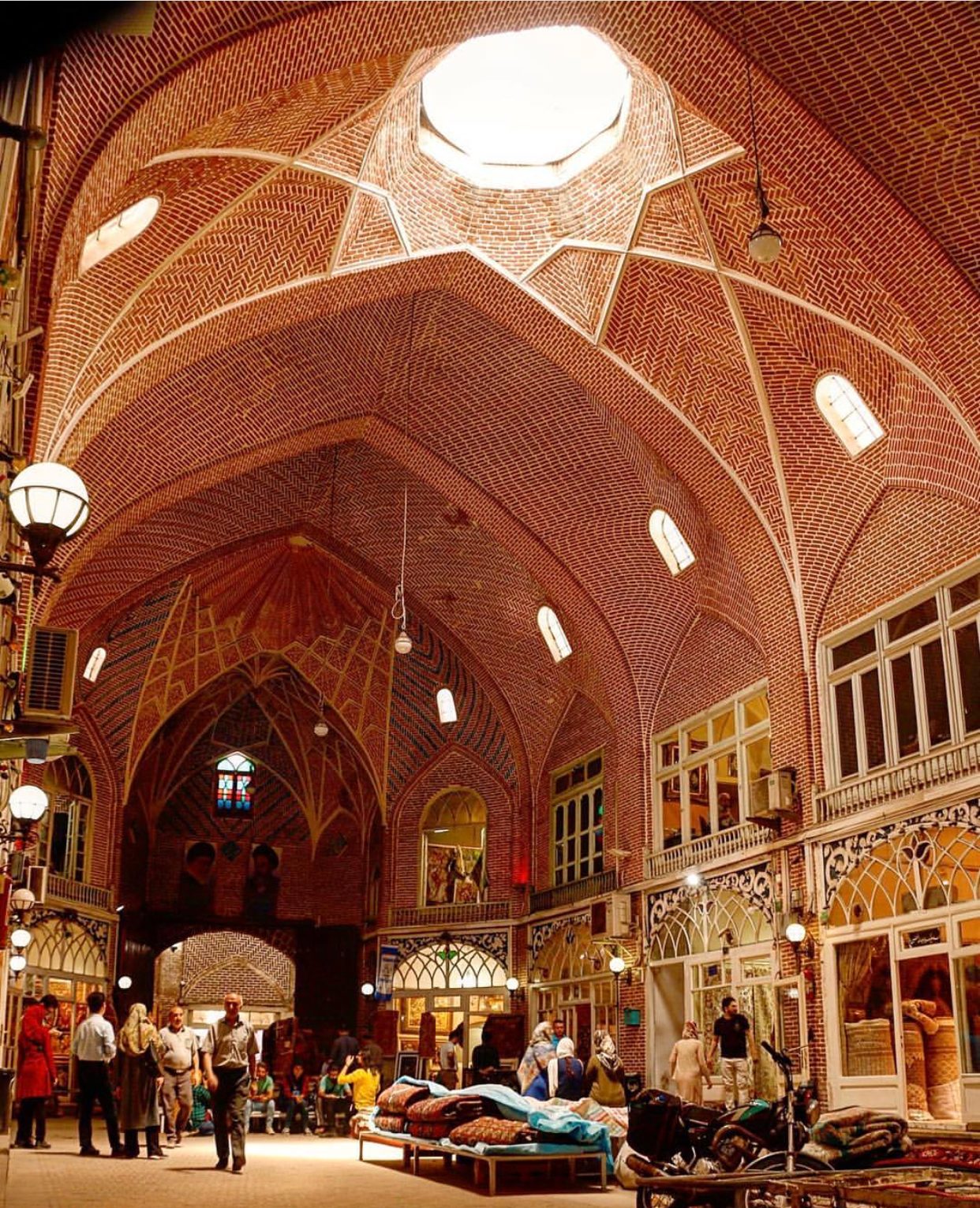
Photo credits (2)
- Hoseinb007, Public domain, via Wikimedia Commons
- Rei nikoo, CC BY-SA 4.0, via Wikimedia Commons