Sidon
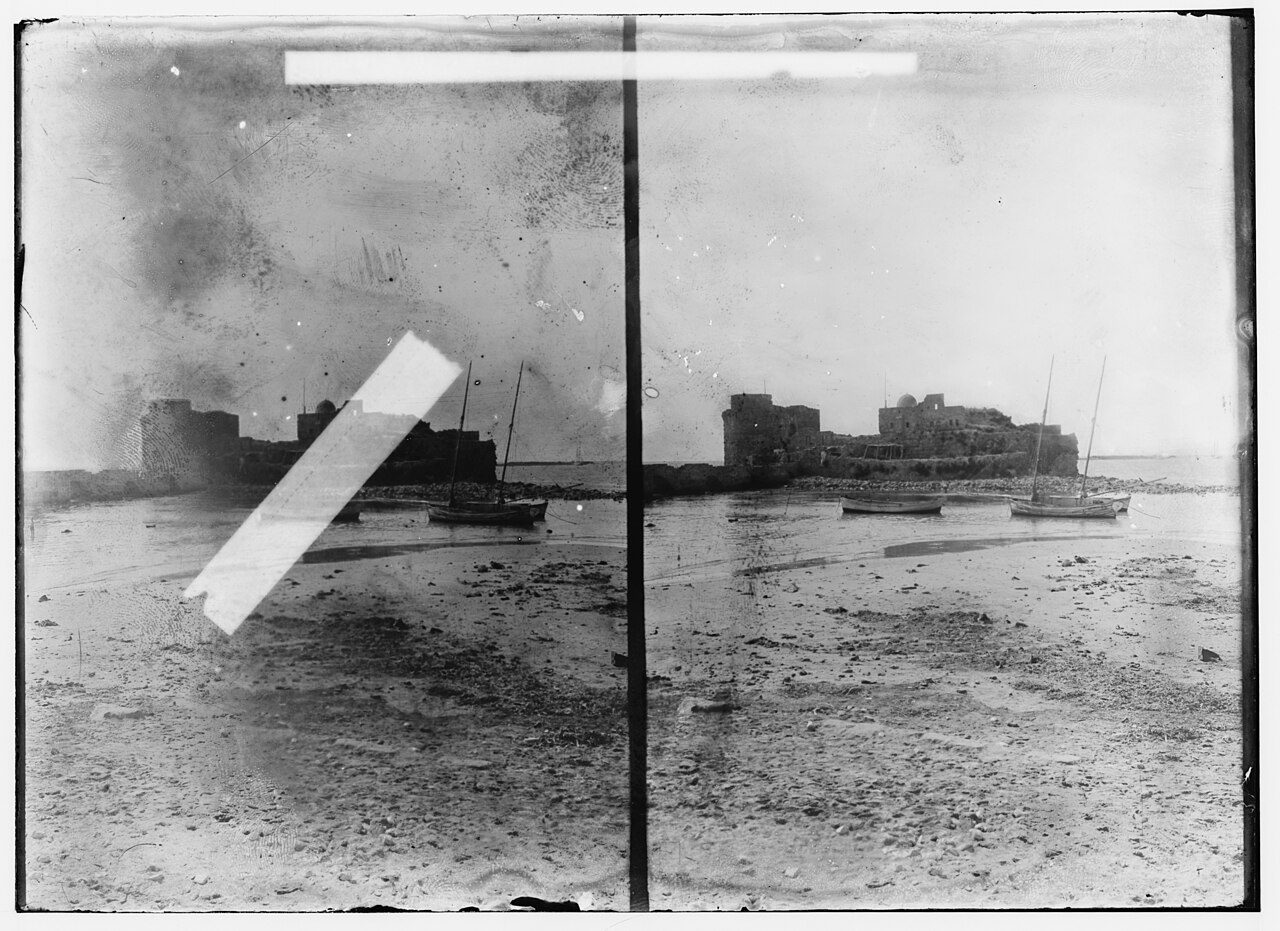
Sidon curves along the Mediterranean coast south of the Awali River, backed by citrus groves and the foothills of Mount Lebanon. Salty air mingles with roasted coffee and orange blossom as you cross from the working harbor into the old quarters. Walking here feels intimately grounded in daily routine: vaulted stone tunnels open into sunlit courtyards where carpenters plane timber, neighbors converse on doorsteps, and bakeries slide flatbreads from wood-fired ovens. Settled by Phoenicians four millennia ago, the city displays centuries of layered stone. Just offshore stands the Crusader Sea Castle, erected in 1228 on a rocky islet reached by a stone causeway. Inland, Khan al-Franj preserves the expansive courtyard of a seventeenth-century Ottoman inn built by Emir Fakhreddine II. A few alleys away, the Soap Museum occupies a sixteenth-century workshop detailing traditional olive-oil soap production, while the nearby Temple of Eshmun honors the Phoenician god of healing. Mornings center on the harbor fish market and old bakeries famous for senioura, a delicate, powdery shortbread unique to the city. During Ramadan, the souks stay awake past midnight with lanterns, sweets, and dice rattling across backgammon boards. The historic core is compact and best explored on foot. Visit between October and April to avoid summer humidity, catching a shared service taxi from Beirut for an easy forty-minute trip south.
Read more