
Shkoder
Set against the foothills of the Accursed Mountains where the Buna and Drin rivers slip out of Lake Shkoder, this northern hub moves to the steady spin of bicycle wheels. Shkoder has an unhurried rhythm shaped by broad boulevards and leafy courtyards. Walking through the Gjuhadol neighborhood reveals pastel facades and wrought-iron balconies dating from its late-nineteenth-century trade boom, framed by limestone peaks towering on the northern horizon. Founded by the Illyrian Labeates tribe in the fourth century BC, the city centers historically on Rozafa Castle. Perched on a limestone bluff above the river confluence, the fortress withstood a famous Ottoman siege in 1478 and retains its sprawling medieval ramparts. Down along the stone-paved Kole Idromeno promenade, the Marubi National Museum of Photography displays glass-plate negatives documenting northern Albanian tribal and civic life from 1856 onward. A short walk east stands St. Stephen’s Cathedral, which served as a sports palace under communism before returning to worship alongside the nearby Ebu Beker Mosque. Evenings revolve around the xhiro, the customary sunset stroll when residents crowd pedestrian alleys to socialize over espresso and raki. Riverside taverns serve tave krapi, a traditional skillet dish of baked lake carp prepared with dried plums, garlic, and onions. Spring and early autumn offer mild temperatures before the heavy summer heat settles into the basin. Because the valley floor is entirely flat, renting a single-speed city bicycle is the easiest and most practical way to navigate the center and pedal out to Rozafa’s base.
Read more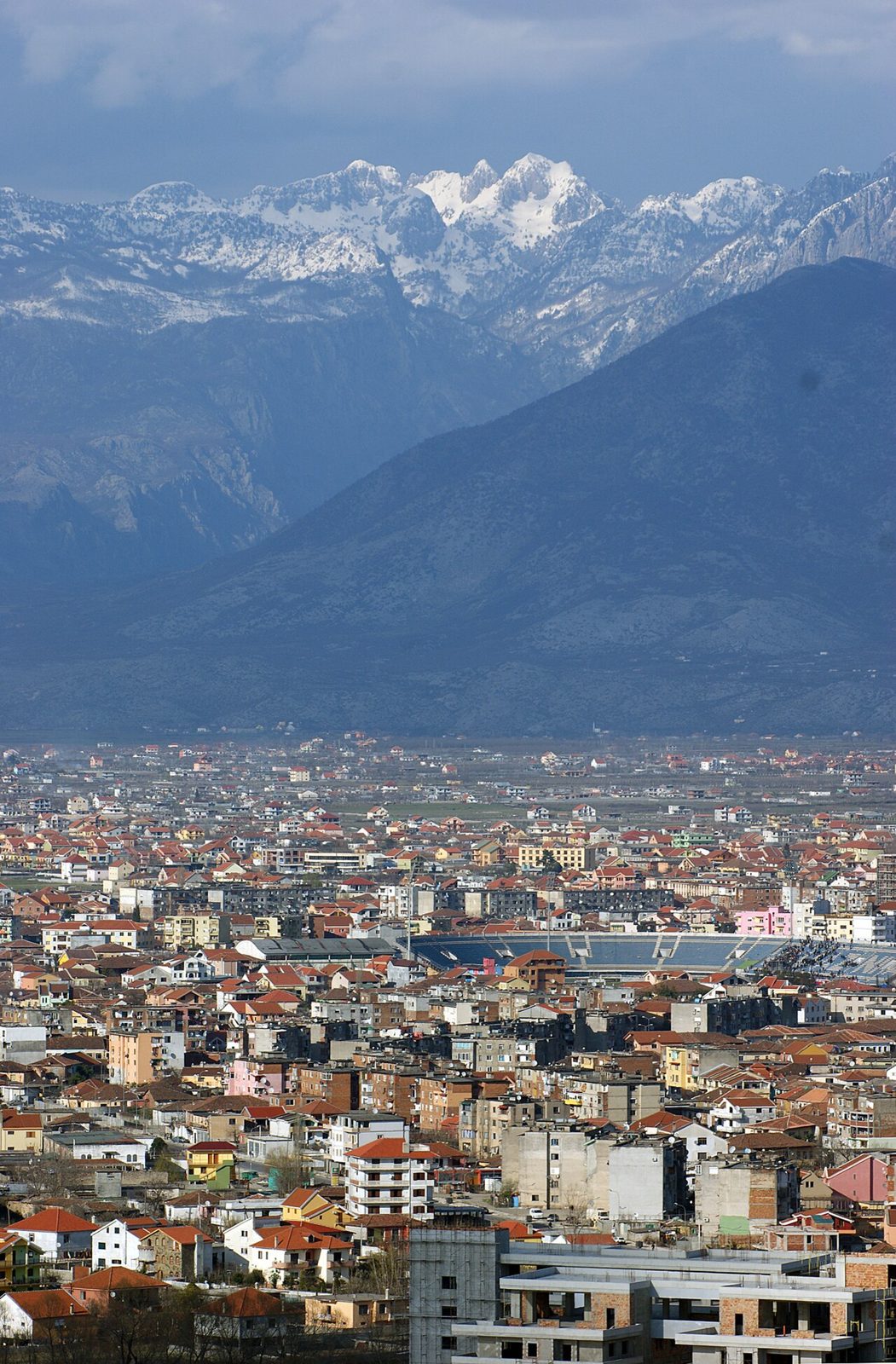
What to see in Shkoder
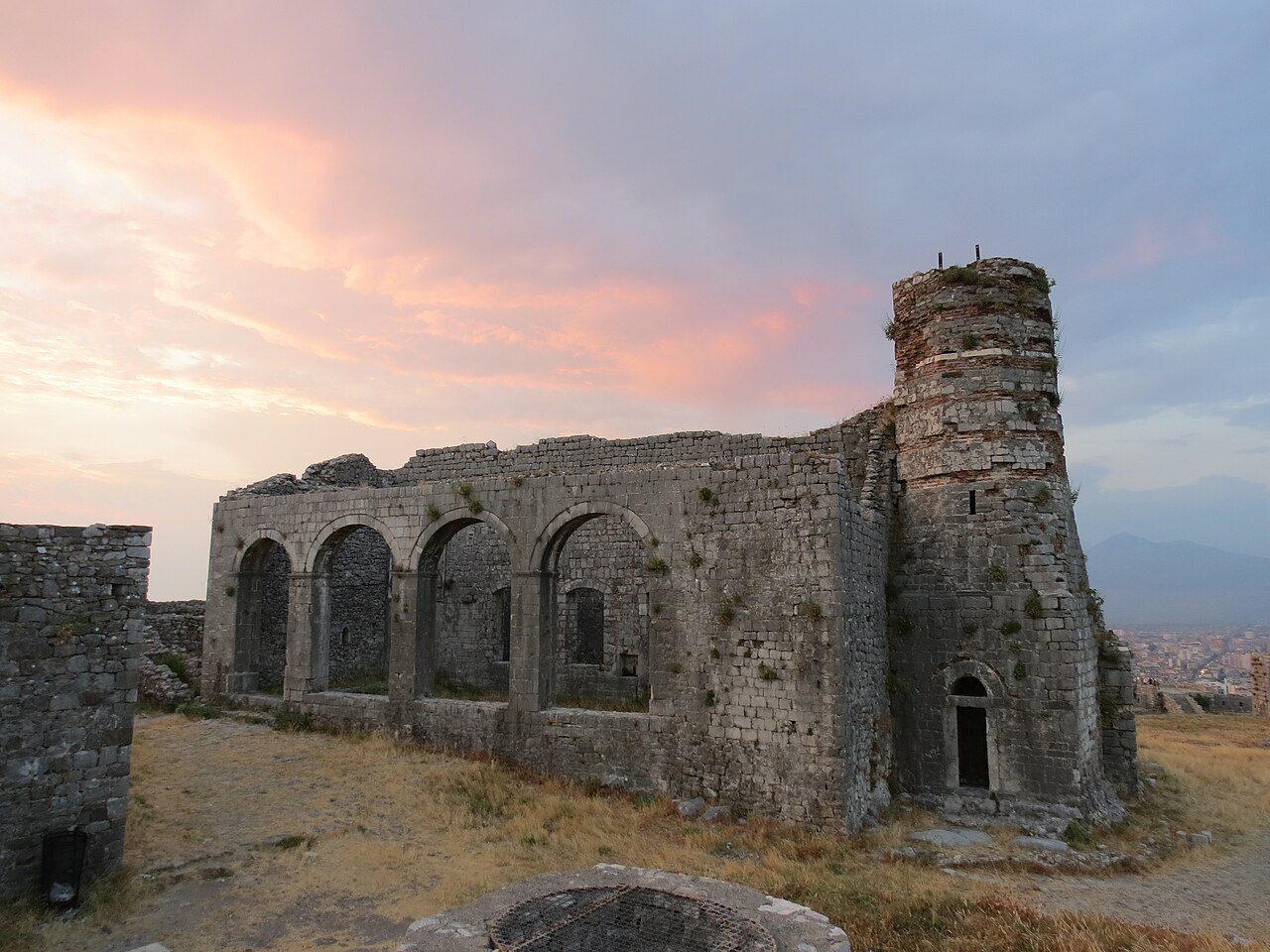
Photo credits (2)
- Albinfo, CC BY-SA 3.0, via Wikimedia Commons
- Bdx, CC BY-SA 3.0, via Wikimedia Commons