
Santa Marta
Wedged between the Caribbean Sea and the jungle-clad slopes of the Sierra Nevada mountains, Santa Marta carries the heavy heat of northern Colombia. Walking its grid of streets, you meet the persistent coastal breeze, la brisa loca, whipping past pastel plaster, fruit carts piled with mangoes, and open doorways spilling cumbia rhythms. Life unfolds directly on the sidewalks, where fishermen peddle their morning catch beside weathered colonial balconies. Founded in 1525 by Rodrigo de Bastidas, it is Colombia’s oldest surviving Spanish settlement. The historic core centers on Parque de los Novios, a shaded plaza ringed by evening rum bars, while the whitewashed Catedral de Santa Marta houses Bastidas’s tomb. East of the center lies Quinta de San Pedro Alejandrino, the 17th-century sugarcane estate where Simón Bolívar died in 1830 among giant samán trees and roaming iguanas. Over the north ridge sits Taganga, a rugged fishing bay dense with wooden skiffs and dive boats. At the chaotic Mercado Público, vendors serve plates of cayeye, a coastal breakfast of mashed green plantains topped with salty costeño cheese and fried eggs. In late July, the city stages the Fiestas del Mar, filling the waterfront with nautical parades, sports, and brass bands. To manage the equatorial swelter, explore the streets early in the morning or after sunset, and use the plentiful, inexpensive yellow taxis to travel between the historic center and the marina.
Read more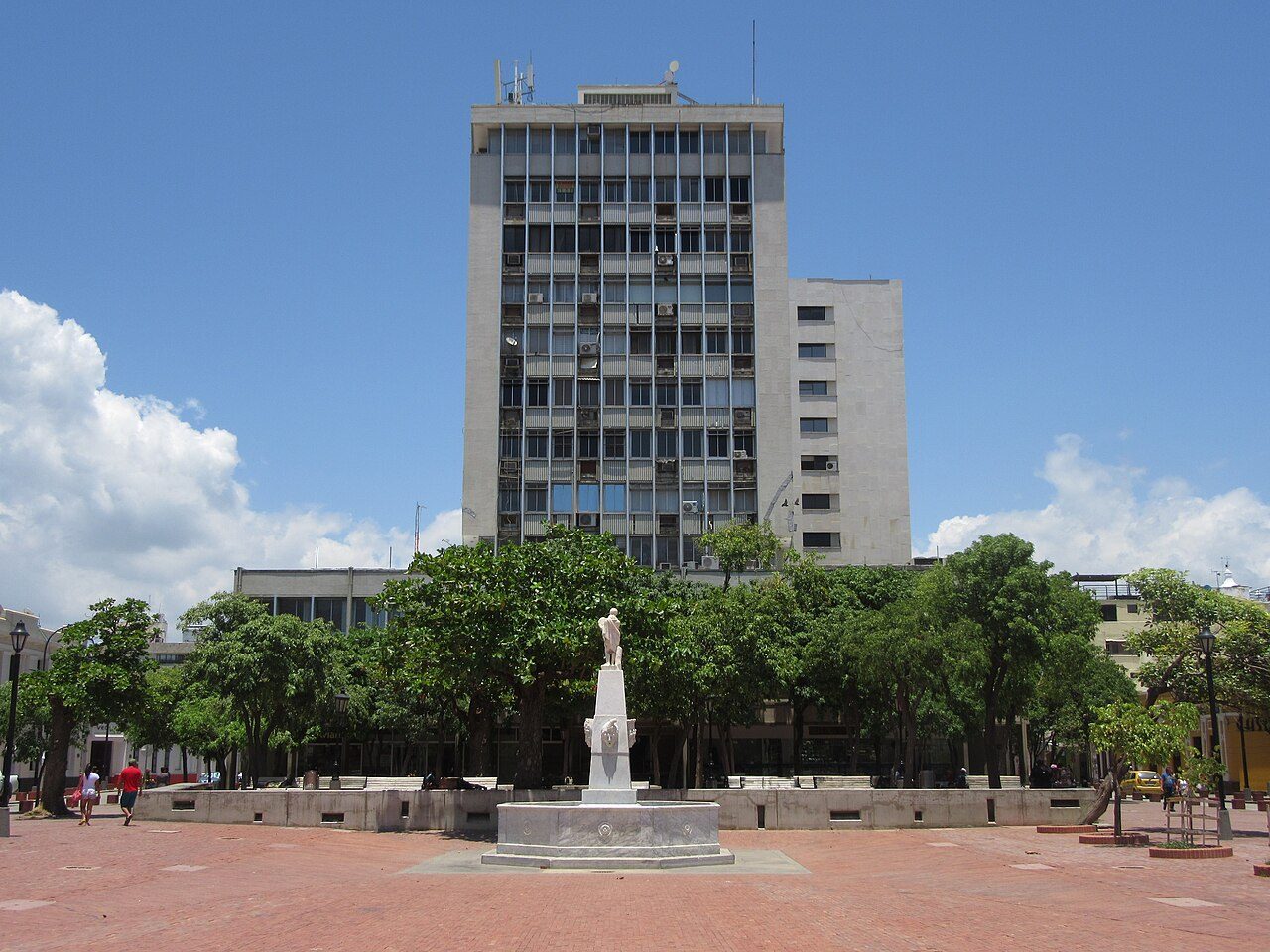
What to see in Santa Marta

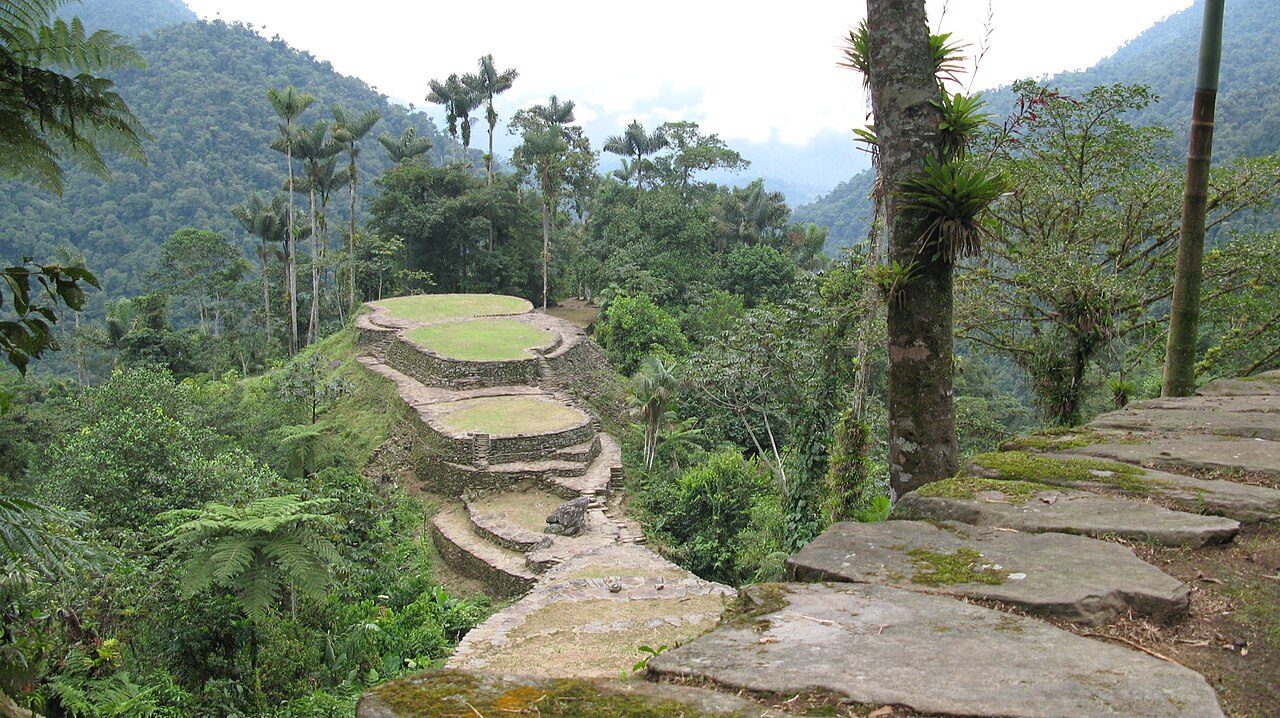
Photo credits (2)
- Felipe Restrepo Acosta, CC BY-SA 4.0, via Wikimedia Commons
- Gavin Rough from Waterloo, Canada, CC BY 2.0, via Wikimedia Commons