Salvador
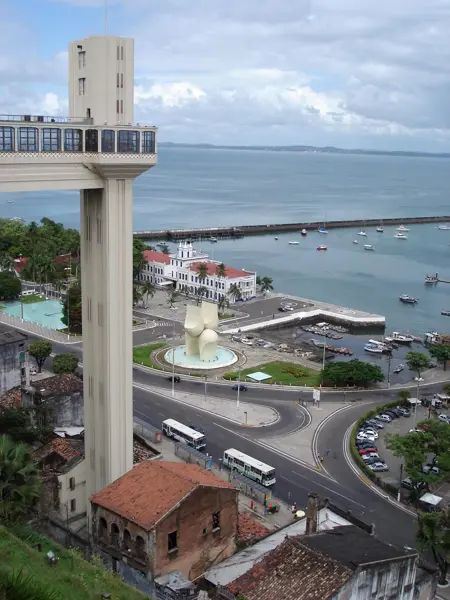
Salvador stands on a steep peninsula dividing the Bay of All Saints from the Atlantic in northeastern Brazil. Navigating its streets involves climbing abrupt bluffs between the port level and the upper city, enveloped by humid sea winds and the constant cadence of Afro-Brazilian percussion. The urban rhythm blends Portuguese colonial architecture with centuries of African traditions, visible in the vivid pastel facades and worn cobblestones. Established in 1549 by Tomé de Sousa as the first capital of Brazil, the city preserves this layered history across distinct quarters. Pelourinho forms the historic heart, famed for steep alleys and the 18th-century Igreja de São Francisco, entirely gilded inside with intricate woodwork. Connecting this high ridge to the waterfront is the Elevador Lacerda, a public lift carrying thousands daily down to the harbor and the vaulted stalls of the Mercado Modelo. Southward at the peninsula tip, the stone ramparts of the Farol da Barra lighthouse guard the ocean channel. Bahian street food defines local socializing, especially acarajé, a spiced bean patty fried in red palm oil and filled with dried shrimp and vatapá, sold by women wearing ruffled white lace dresses. On Tuesday nights, public drum rehearsals by groups like Olodum fill the plazas with heavy rhythms. Visit between November and March for dry weather and street celebrations, and rely on rideshares or municipal elevators to negotiate the sheer vertical drops safely.
Read more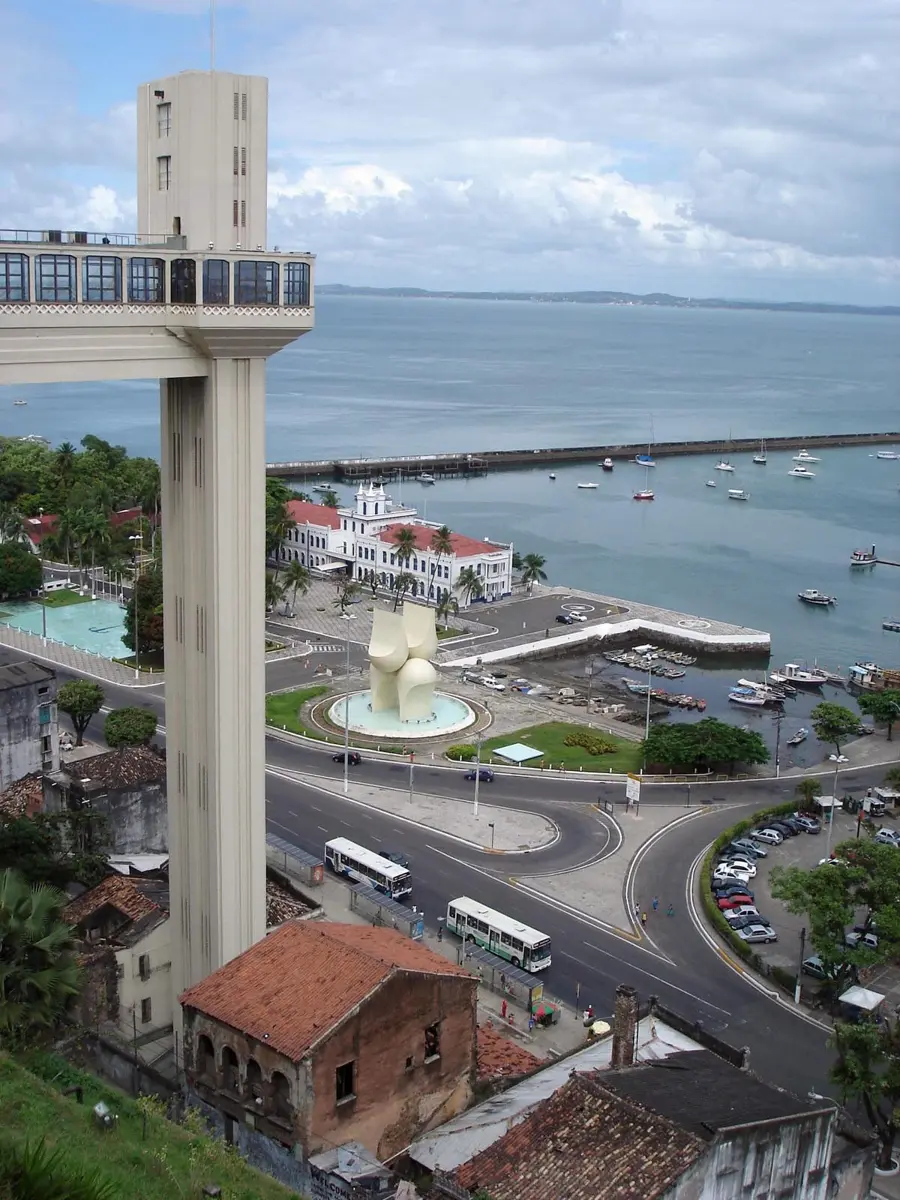
What's on in Salvador
Traditional Afro-Catholic pilgrimage where thousands march in white to the Bonfim Basilica as Baianas ritually wash the church steps with scented water.
Official infoMajor summer music gathering celebrating Brazilian diversity with performances by Maria Bethânia, BaianaSystem, Timbalada, and Olodum at Arena Festival.
Official infoSpiritual Afro-Brazilian celebration honoring the Sea Goddess with boat processions, flower offerings, drum rhythms, and beach gatherings across Rio Vermelho.
Official infoIconic Bahian street carnival featuring massive trio elétrico sound trucks, legendary axé artists, and millions of costumed dancers flowing through the streets.
Official infoEvents are collected automatically from the web. Dates can change, so please check the official information before you travel.