
Puebla
Resting in a high valley beneath the snow-streaked peaks of Popocatépetl and Iztaccíhuatl, Puebla carries an unmistakable architectural grandeur. Walking through the central grid, your eye catches the gleam of hand-painted Talavera tiles set into red-brick facades, alongside heavy carved wooden doors and wrought-iron balconies. The thin mountain air smells faintly of toasted cacao and frying masa, while the resonance of brass church bells anchors daily life. Founded from scratch by Spanish colonists in 1531, the city was planned on an open plain rather than built over indigenous ruins. Facing the leafy Zócalo, the twin-towered cathedral houses a massive marble-and-onyx altar. Just north, the Rosary Chapel inside the Church of Santo Domingo displays an astonishing expanse of baroque gold leaf covering every inch of sculpted plaster. Further east, the quiet Barrio del Artista shelters painters in former textile stalls, while the hilltop forts of Loreto and Guadalupe preserve the grounds of the 1862 battle against invading French forces. Puebla is Mexico’s culinary cradle, celebrated for complex mole poblano and crusty cemita sandwiches stuffed with avocado and quesillo at Mercado El Carmen. Autumn brings the best traveling weather, pairing clear skies with mild temperatures after the summer rains taper off. The historic core is compact and easily walked, though taxis or rideshare apps make reaching the forts and outer neighborhoods simple.
Read more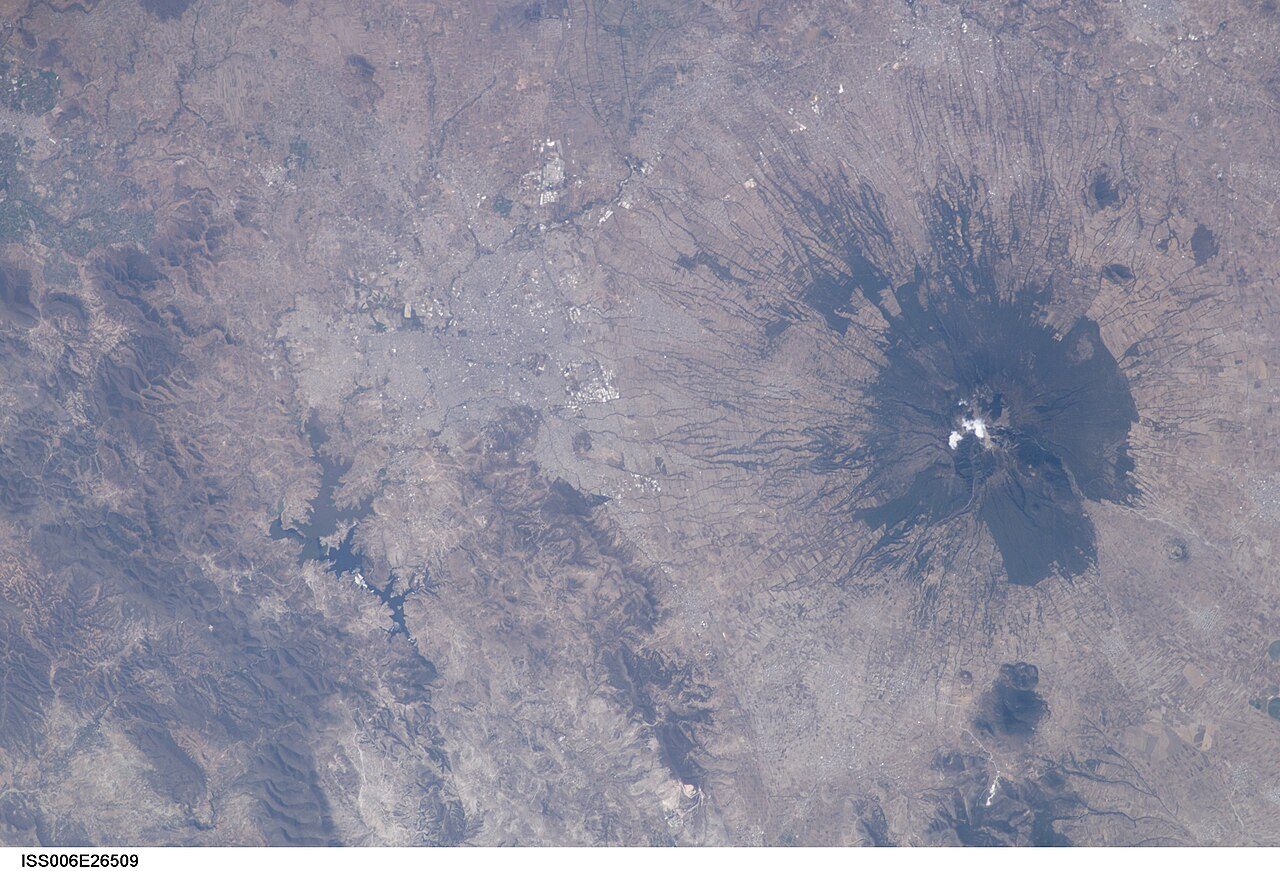
What to see in Puebla
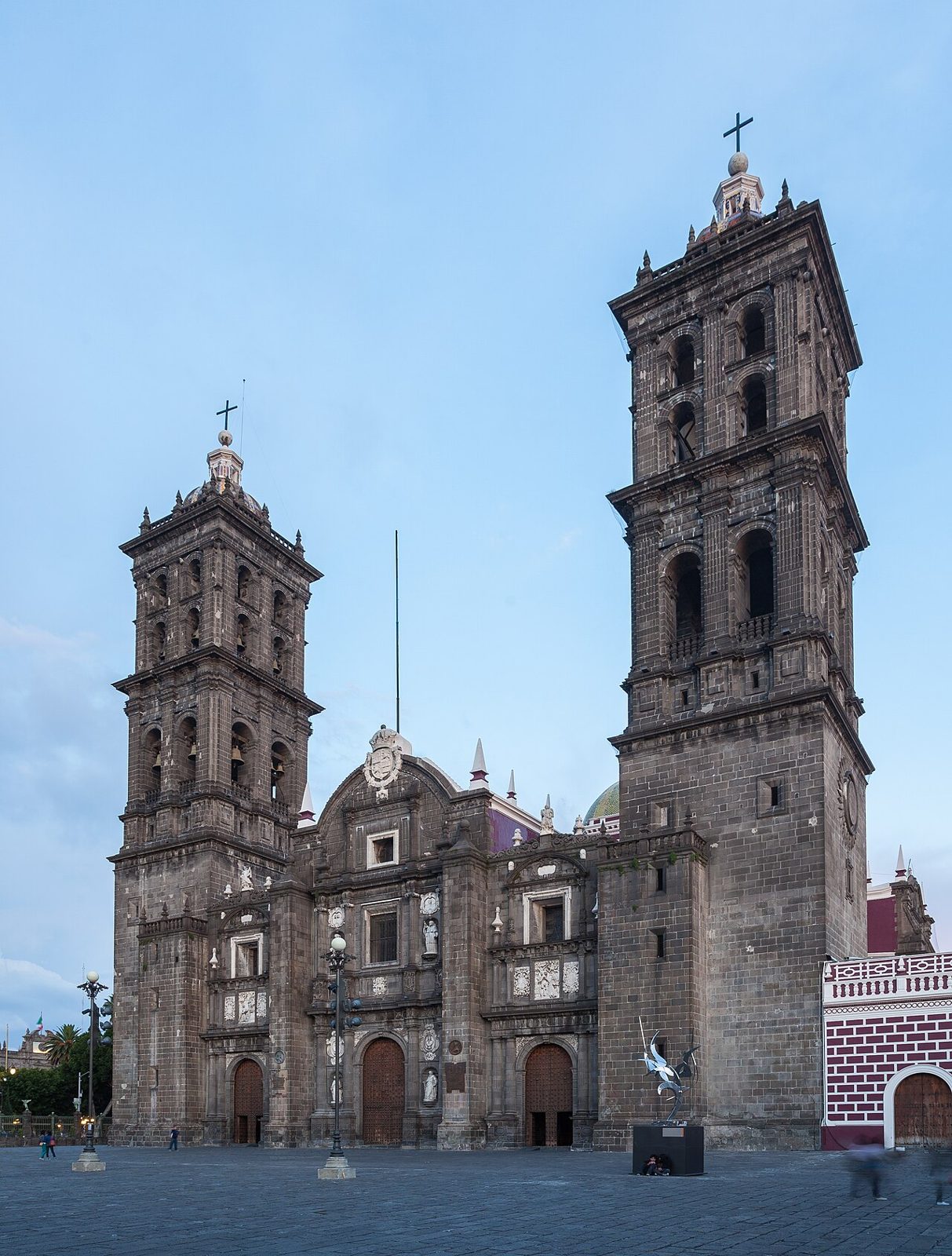
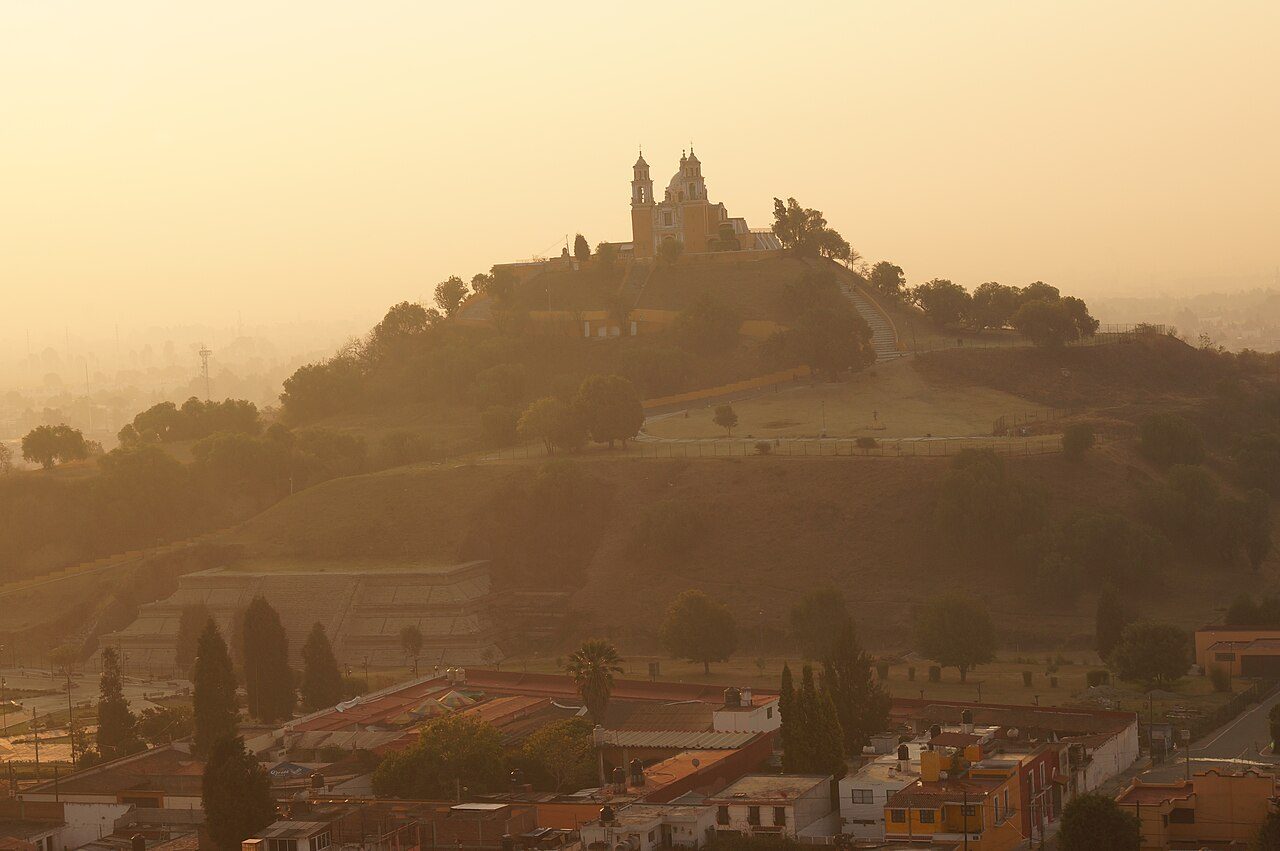
Photo credits (3)
- Earth Science and Remote Sensing Unit , Lyndon B. Johnson Space Center, Public domain, via Wikimedia Commons
- Diego Delso, CC BY-SA 3.0, via Wikimedia Commons
- Lievanomx, CC BY-SA 3.0, via Wikimedia Commons