Phonsavan
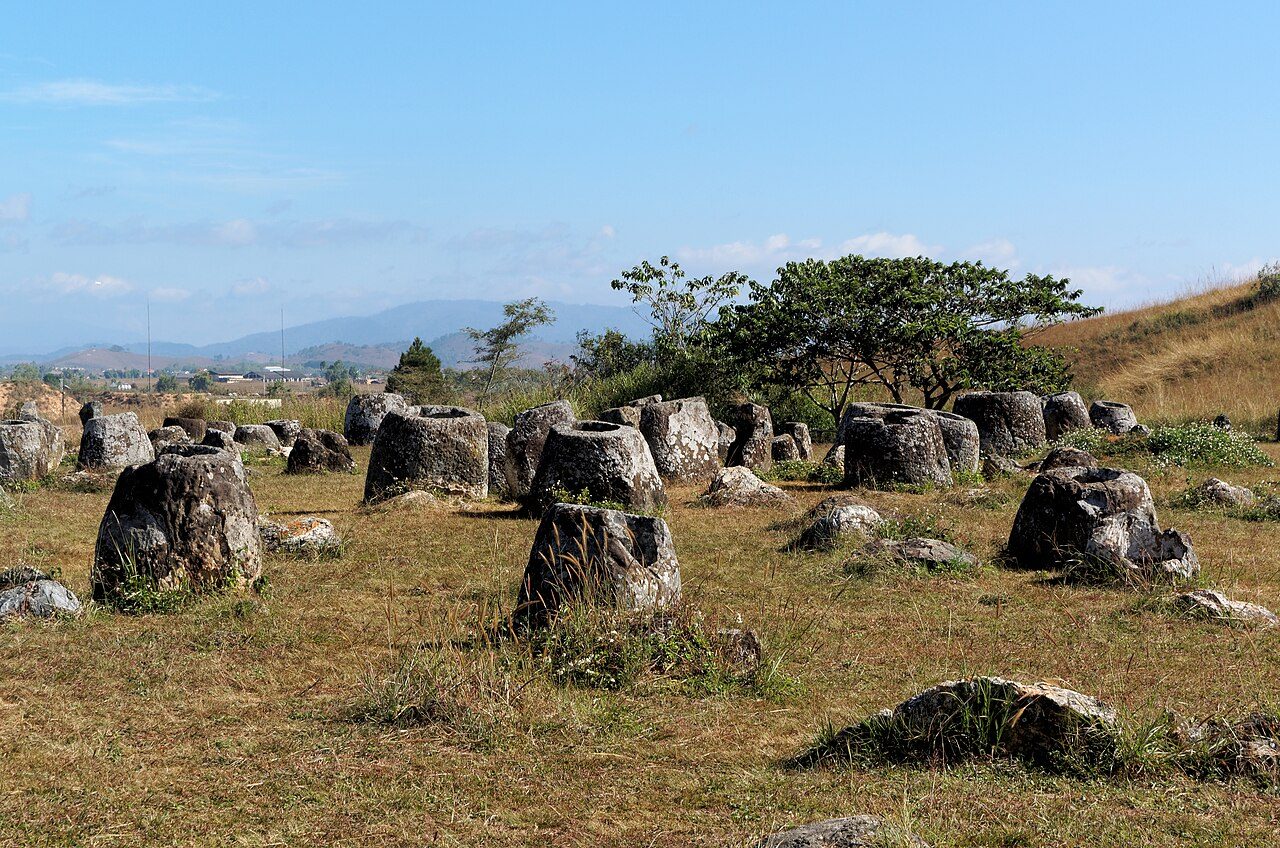
High on the Xieng Khouang Plateau in northeastern Laos, Phonsavan sits surrounded by pine-covered ridges and rolling pasture. Walking its wide, dusty streets reveals a raw, frontier town where cool highland breezes cut through bright sunshine. Defused bomb casings serve as house stilts, planters, and fence posts, providing a sobering reminder of the town's rebirth after relentless bombing during the Secret War between 1964 and 1973. Built in the mid-1970s to replace the devastated royal capital of Muang Khoun, Phonsavan serves as the base for exploring the Plain of Jars. At Site 1, massive Iron Age stone vessels carved over two millennia ago lie scattered across open fields. Thirty kilometers southeast, the brick ruins of Wat Piawat in Muang Khoun frame a solitary Buddha that survived the air raids. In town, the Mines Advisory Group Visitor Centre documents the grim reality of unexploded ordnance, while the Mulberry Silk Farm showcases traditional sericulture from silkworm rearing to weaving. Daily life centers on the bustling fresh market, where vendors trade highland honey, wild mushrooms, and bowls of steaming pho. In December, the town hosts vibrant Hmong New Year celebrations, marked by the ritual pov pob ball-tossing game between youths in intricate embroidered dress. The cool, dry window from November to February brings ideal traveling weather, though nights turn cold. Rent a rugged semi-automatic motorbike or hire a local songthaew driver to reach the scattered historical sites safely.
Read more