
Nazca
Tucked into the arid basin of the southern Ica desert along the Nazca River, flanked by the foothills of the western Andes, the town carries a quiet, sun-baked tempo. Walking away from the shaded Plaza de Armas, where residents sit to avoid the midday glare, you encounter low stucco buildings, fruit stands, and open-front eateries serving roast chicken and citrus juices under steady desert breezes. Flourishing between 100 BCE and 800 CE, the pre-Inca Nazca culture left an enduring footprint across the rocky pampa. While many travelers come to view the sprawling geoglyphs by light aircraft, ground sites are equally compelling. The Cantalloc aqueducts, built around 500 CE, form an intricate network of spiraling stone trenches that still channel mountain meltwater to valley farms. Nearby stands Cahuachi, a vast adobe ceremonial center with eroded pyramid mounds, while the cemetery at Chauchilla preserves ancient mummies in open-air desert tombs, complete with braided hair and original textiles. Daily life gravitates toward the Mercado Central, where vendors dish up plates of spicy carapulcra paired with sopa seca. In early September, streets come alive during the feast of the Virgen de Guadalupe, celebrated with brass bands and costumed dancers. Intense heat settles in by noon, so plan excursions for early morning. For getting around the town and reaching nearby archaeological sectors, flag down one of the blue mototaxis, agreeing on the modest sole fare before climbing in.
Read more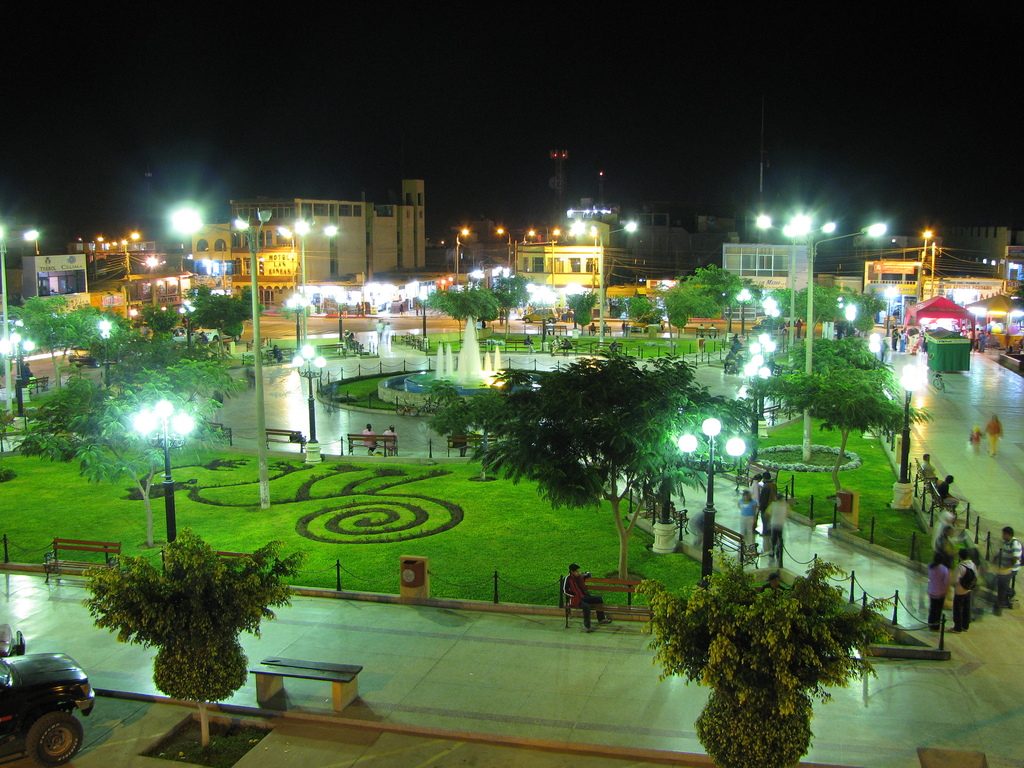
What to see in Nazca
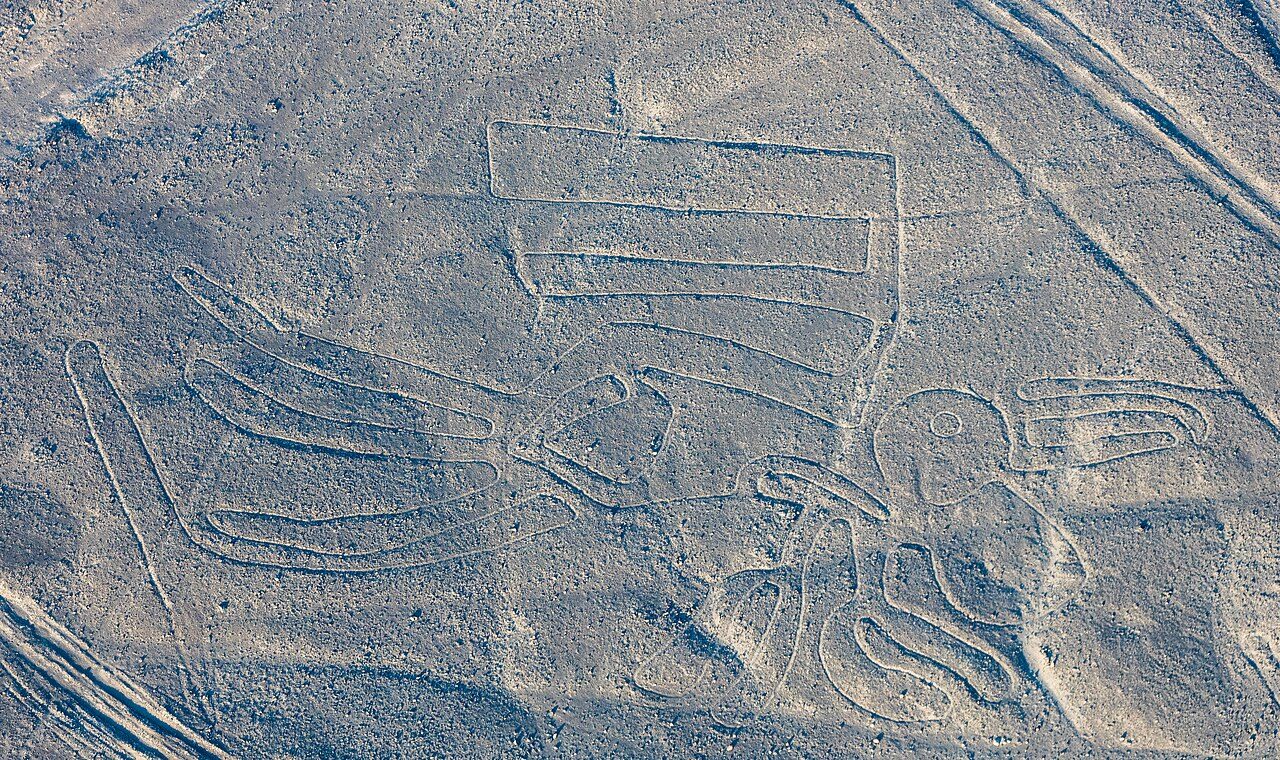
Photo credits (2)
- Drmad, CC BY-SA 3.0, via Wikimedia Commons
- Diego Delso, CC BY-SA 4.0, via Wikimedia Commons