
Nazareth
Tucked into a natural bowl within the limestone ridges of the Lower Galilee, Nazareth rises along steep, terraced slopes overlooking the Jezreel Valley. Walking its center means navigating a dense labyrinth of pale stone alleys, vaulted passages, and stairways worn slick by centuries of footsteps. Church bells frequently overlap with the Islamic call to prayer, while the aroma of freshly roasted cardamom coffee and warm flatbread drifts out from shaded residential courtyards into the mountain air. The city developed from a humble agricultural hamlet into a major pilgrimage center as the traditional home of Mary and Jesus. The concrete-and-stone Basilica of the Annunciation, consecrated in 1969 over fifth-century Byzantine and twelfth-century Crusader foundations, anchors the skyline with a dome shaped like an inverted lily. Just north, the Greek Orthodox Church of St. Gabriel shelters the underground spring feeding Mary’s Well. Deeper in the pedestrian bazaar stands the Synagogue Church, a Crusader-era chapel where tradition states Jesus taught, flanked by Ottoman-era residences in the Latin Quarter featuring painted ceilings and iron balconies. Daily life revolves around the Old Market, where bakeries serve hot, crisp knafeh soaked in orange-blossom syrup alongside stalls piled with wild herbs, sumac, and olives. In December, festive street markets and an annual Christmas parade draw large crowds across religious communities. Nazareth is best explored on foot in the cooler months of spring or autumn, though travelers should pack supportive shoes to handle the unrelenting, slippery inclines.
Read more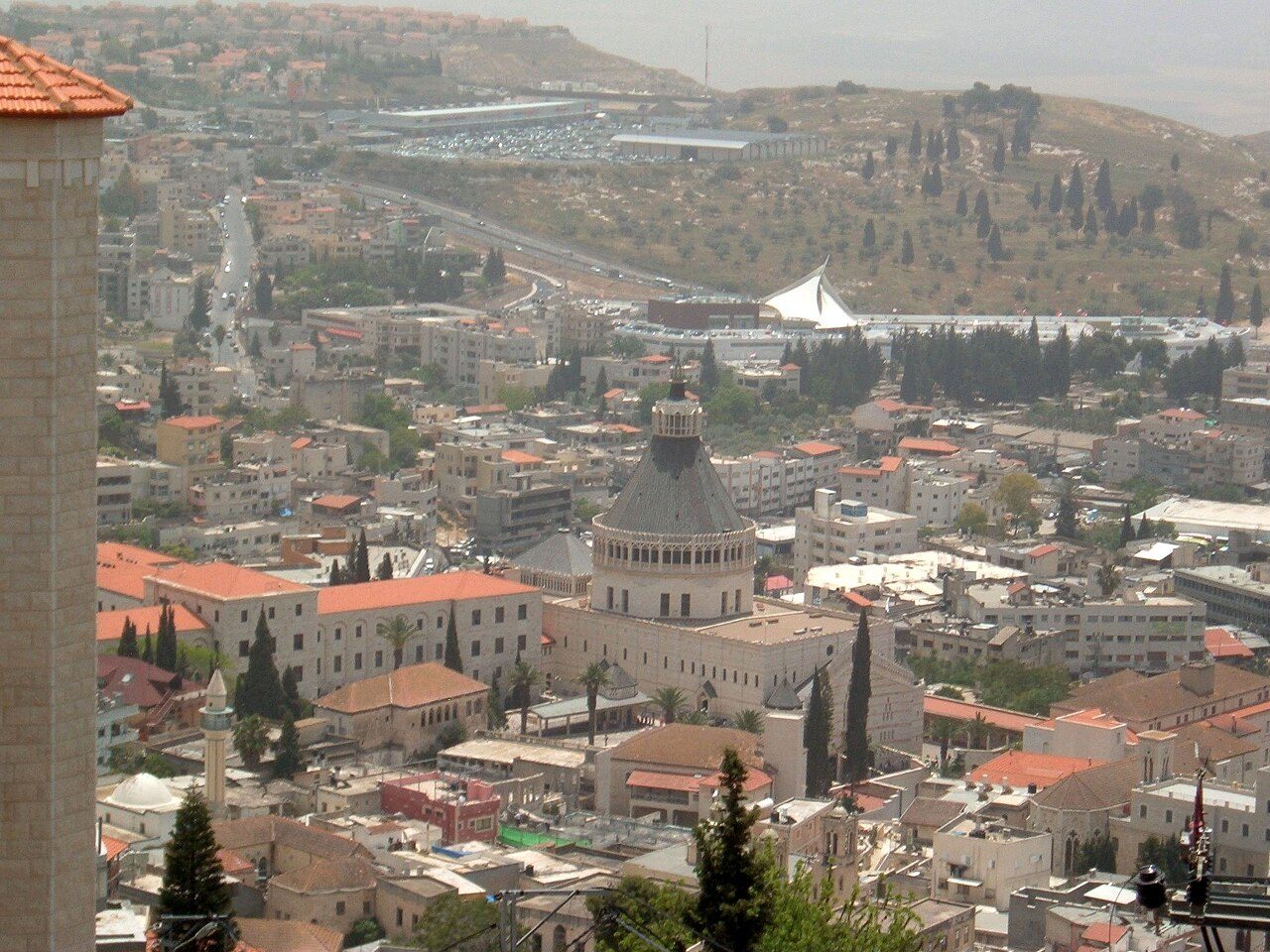
What to see in Nazareth
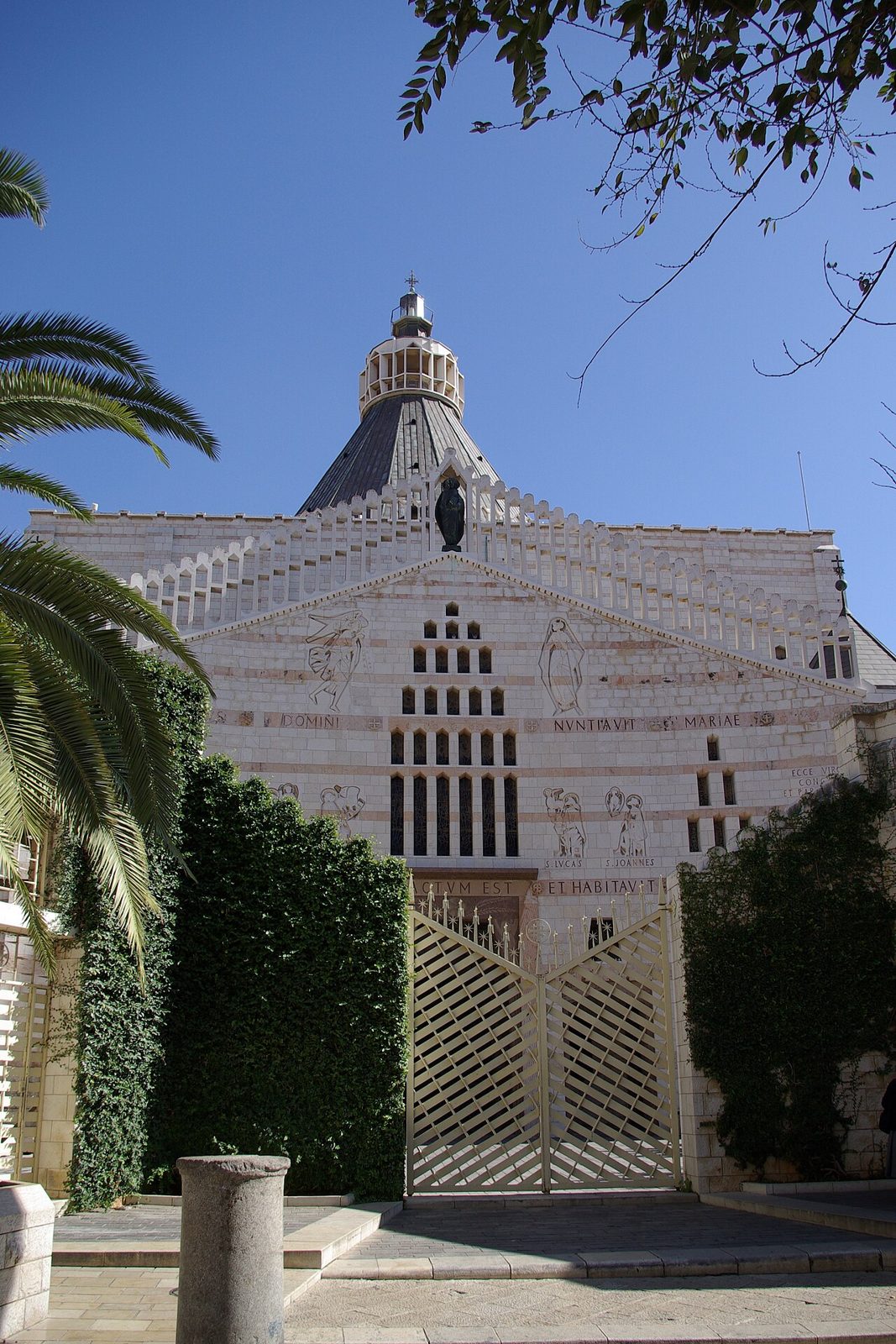
Photo credits (2)
- Almog, Public domain, via Wikimedia Commons
- Berthold Werner, Public domain, via Wikimedia Commons