Mdina
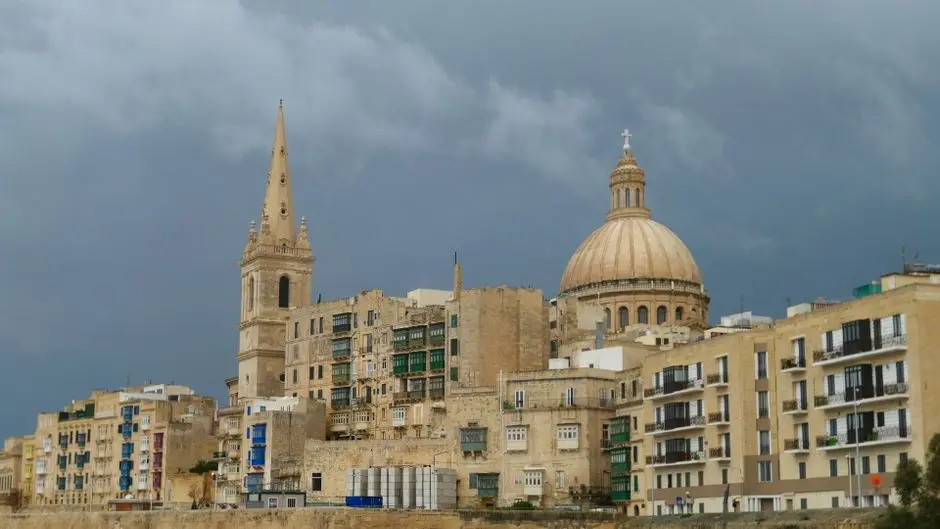
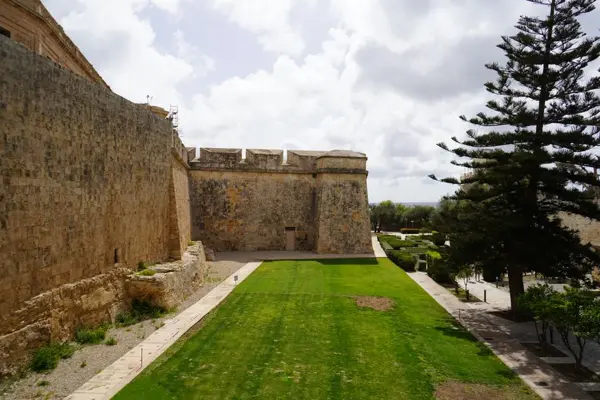
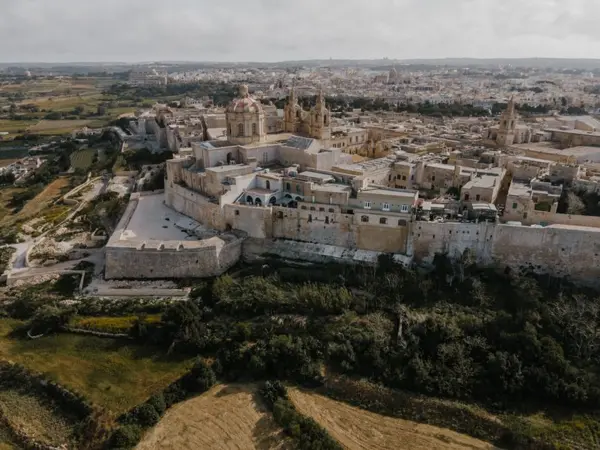
Perched atop a limestone ridge in central Malta, Mdina rises over terraced plains with sightlines stretching to the Mediterranean. Inside the defensive perimeter, the town contracts into a labyrinth of vehicle-free lanes shaded by tall baroque facades and shuttered palazzi. Footsteps echo against the flagstones, broken only by church bells or horse hooves, preserving the quiet stillness that has defined the citadel for centuries. Founded as Maleth by Phoenicians around the eighth century BC and refined under Roman and Arab rule, Mdina remained Malta’s capital until 1530. Following a violent earthquake in 1693, the settlement gained Lorenzo Gafà’s St Paul’s Cathedral, famous for its carved twin belfries and marble tombstones. Nearby, Palazzo Falson displays a medieval nobleman’s collection of antique weaponry and oriental rugs, while the Vilhena Palace flanks the arched main gate. From Bastion Square along the northern edge, visitors look out across the entire northern half of the island. Daily life spills into neighbouring Rabat just outside the walls, where residents gather at Is-Serkin for hot pastizzi stuffed with ricotta or curried peas. Each spring, the Medieval Mdina festival enlivens the alleys with traditional drumming, archery, and flag throwing. The best hours to wander are after sunset, when tour groups leave and amber streetlamps bathe the empty sandstone in gold; wear flat shoes, as the entire town is negotiated on foot.
Read more