
Manaus
Manaus rises directly out of the northern Brazilian rainforest, banked along the dark waters of the Rio Negro just before it meets the pale Rio Solimões. Founded as a Portuguese outpost in 1669, the city underwent an astonishing transformation during the late nineteenth-century rubber boom. Walking the central avenues means moving through heavy equatorial humidity between modern commercial chaos and relics of Belle Époque ambition. At its historic heart stands the Teatro Amazonas, an 1896 Italian Renaissance opera house crowned with thirty-six thousand glazed ceramic tiles. A short walk south leads to the Mercado Municipal Adolpho Lisboa, an 1882 iron structure designed in the style of Les Halles in Paris, while the nearby Palácio Rio Negro exhibits the stately, European-influenced mansions of early rubber barons. Life along the riverfront revolves around boats and open-air food stalls, where locals gather at dusk around the paved plaza of Praça São Sebastião. Vendors serve bowls of tacacá, a wild manioc broth spiced with tongue-numbing jambú leaves and dried shrimp, alongside grilled tambaqui ribs from the Amazon basin. In October, street processions erupt with the percussive rhythms of Boi-Bumbá during the Boi Manaus celebrations, honoring the folk legend of the resurrected ox. The most manageable weather arrives during the dry season between July and November. Plan outdoor sightseeing for the early morning before midday heat peaks, and use rideshare apps or public boat launches along the docks to navigate the sprawling riverfront.
Read more
What to see in Manaus
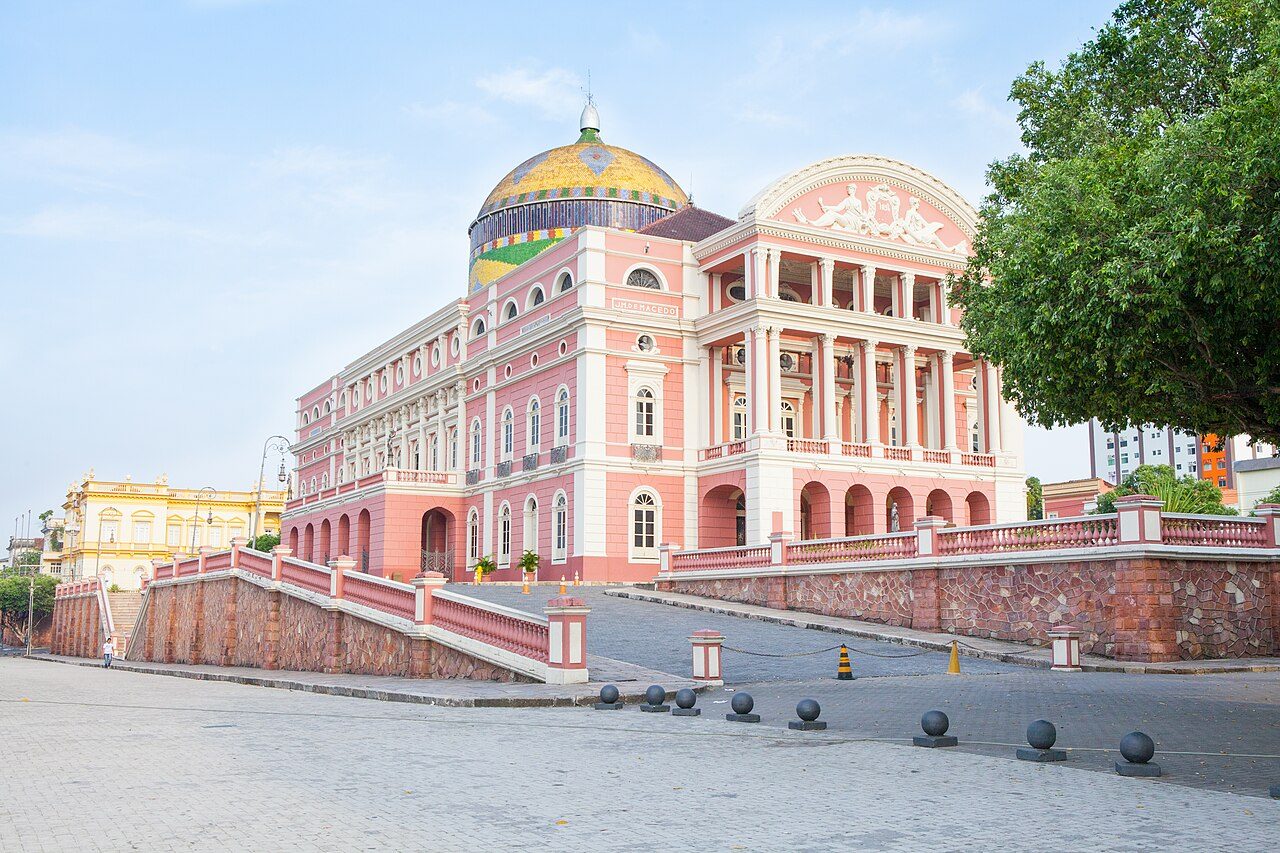
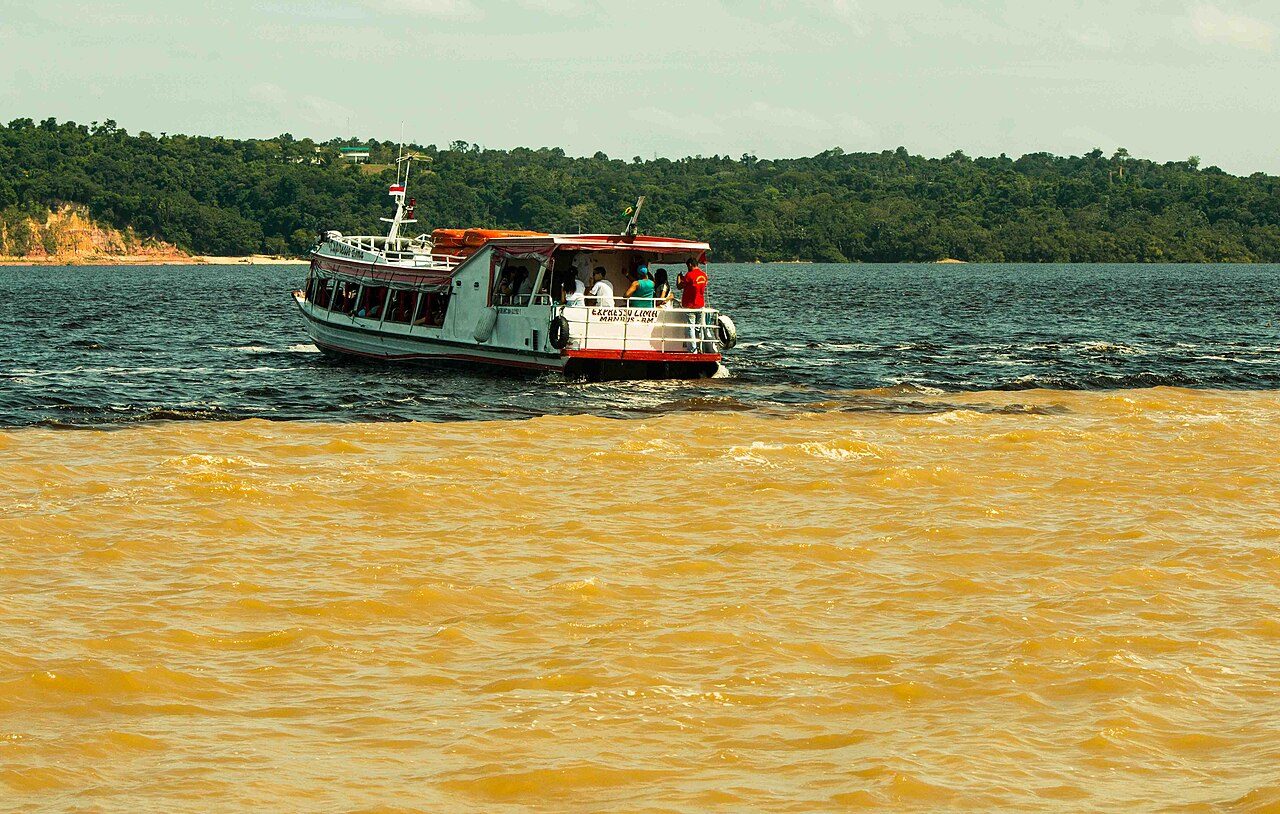
Photo credits (3)
- Lula Oficial, CC BY-SA 4.0, via Wikimedia Commons
- Karine Hermes, CC BY-SA 4.0, via Wikimedia Commons
- Ana Claudia Jatahy - MTUR, CC0, via Wikimedia Commons