La Fortuna
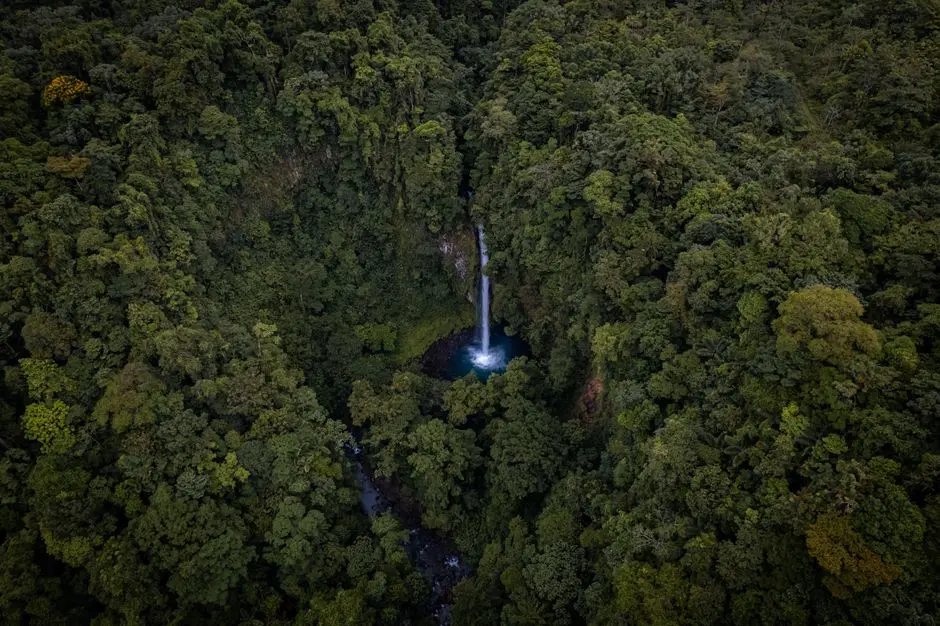
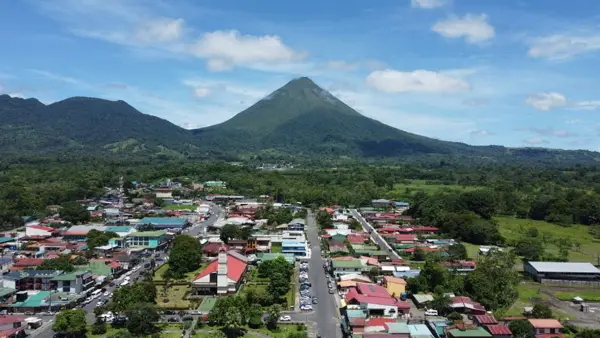
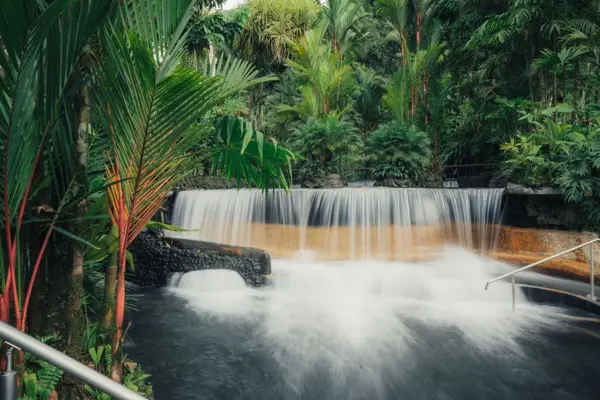
Set against the fertile plains of San Carlos in northern Costa Rica, La Fortuna sits directly beneath the symmetrical silhouette of Arenal Volcano. The town is laid out in a straightforward grid around a tidy garden square, where the scent of damp earth and grilled meat lingers in the warm air. Walking along the sidewalks, travelers move past outdoor gear shops, bakeries, and open-fronted fruit stands, with the dark volcanic cone dominating the horizon whenever the tropical mist clears. Originally founded by agricultural settlers in the 1930s under the name El Burio, the village was renamed La Fortuna to honor its exceptionally rich soils. That name took on new meaning in July 1968, when Arenal erupted cataclysmically to the west, burying neighboring settlements while sparing this community. At the heart of town stands the Catholic Church of San Juan Bosco, framing classic views of the peak from the central park. Just five kilometers south, the Rio Fortuna drops seventy meters over a sheer cliff at the La Fortuna Waterfall, while further west along Route 142, natural hot springs warm the Tabacon River and trailheads at the Arenal 1968 Reserve lead across old lava flows. Town life revolves around casual sodas serving casados piled high with rice, black beans, fried plantains, and stewed chicken. In late January, locals gather for the annual Fiestas Civicas, which brings horse parades, bull riding, and street food to the fairgrounds. While central La Fortuna is entirely walkable, visiting trailheads and thermal rivers requires either a rental car or licensed red taxis. For the best chances of unobstructed volcanic views, head out at dawn during the drier months between January and April before mountain clouds settle in for the afternoon.
Read more