
Kraljevo
Kraljevo settles into a wide river basin in central Serbia where the cold Ibar meets the West Morava, framed by the ridges of Stolovi and Goč. Its center revolves around an unusual nineteenth-century radial street grid, where broad, tree-lined boulevards branch outward from a vast circular plaza. Walking across town feels easy and unhurried, with locals occupying sidewalk café tables beneath linden trees while wild horses roam the forested slopes just south of the city limits. Formerly called Karanovac, the settlement was renamed Kraljevo in 1882 by King Milan Obrenović to honor its monarchical heritage. In the main square stands the bronze Soldier monument, commemorating fallen troops from the Balkan Wars and World War I. Just outside town sits Žiča, a striking crimson-walled monastery founded in 1208 where seven medieval Serbian kings were anointed. Further up the Ibar gorge, the stone ramparts of thirteenth-century Maglič fortress still guard the river canyon, while the municipal National Museum showcases archaeological finds from the Roman and Byzantine eras. Morning life clusters around the bustling central market, famous across the region for rich, salty kajmak and cured meats produced in nearby mountain villages. Each July, the community celebrates Veseli Spust, an eccentric river regatta where thousands of people float down the Ibar on makeshift rafts accompanied by brass music and roasted lamb along the banks. The downtown core is entirely flat and best navigated on foot, though late spring and early autumn offer the most pleasant weather for taking local buses into the gorge to hike around the medieval strongholds.
Read more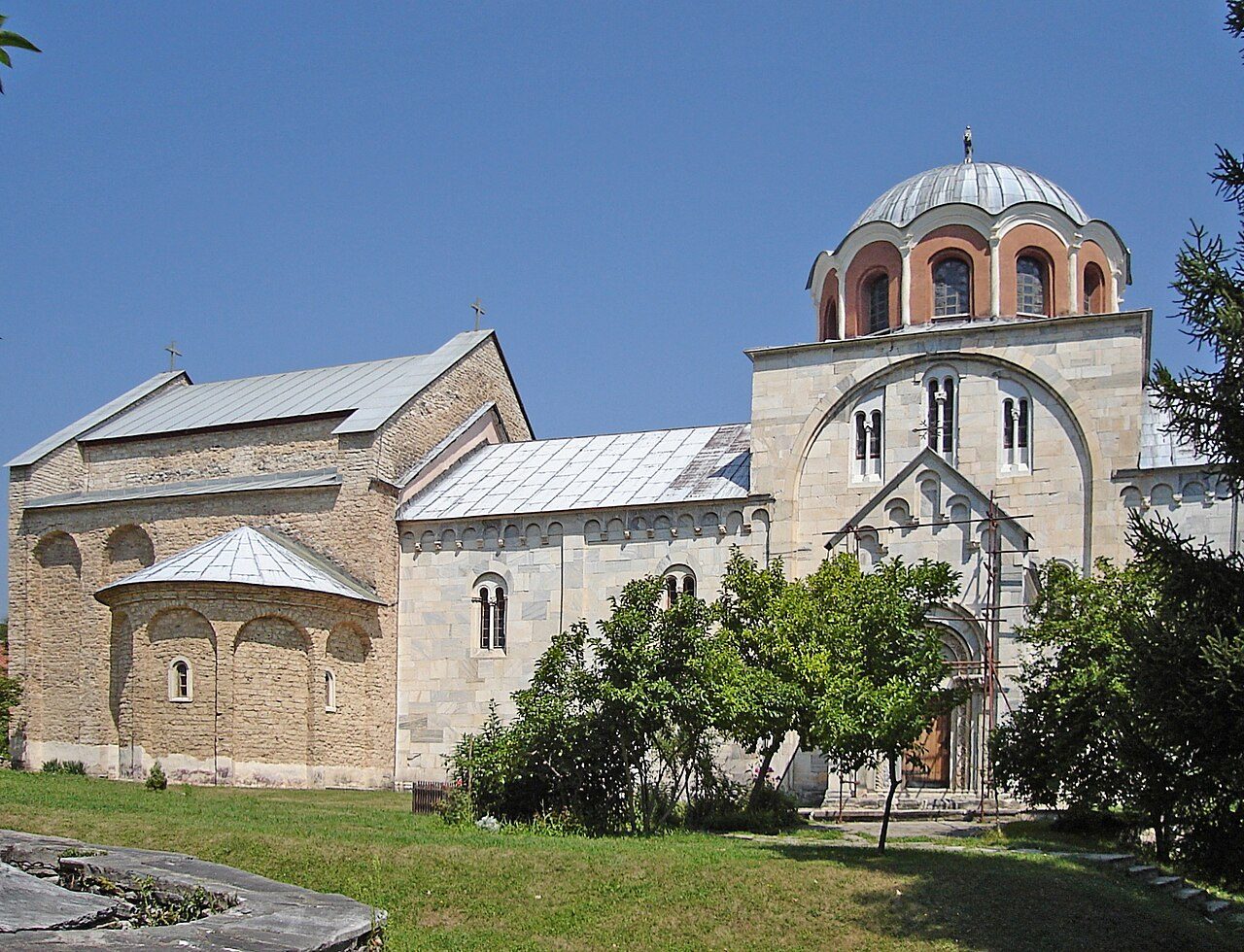
What to see in Kraljevo
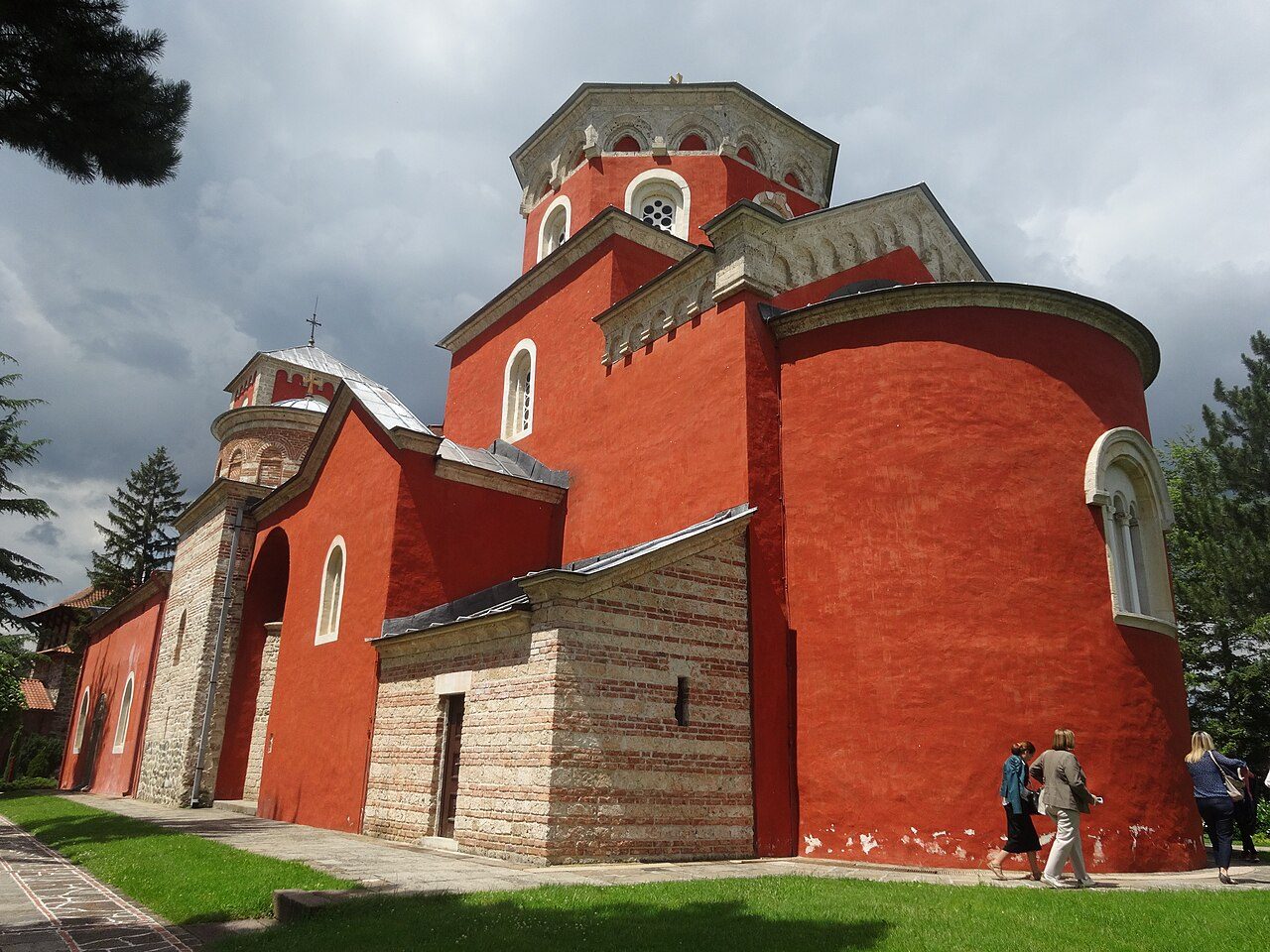
Photo credits (2)
- Cornelius Bechtler, CC BY-SA 3.0, via Wikimedia Commons
- Djina, CC BY-SA 3.0, via Wikimedia Commons