
Korenica
Nestled in the high karst basin of Lika, Korenica rests directly beneath the limestone wall of Mount Lička Plješevica. The town functions as the quiet administrative spine of the wider Plitvice plateau, where mountain winds cut across wide streets framed by sturdy stone homes and open hay meadows. Walking through town reveals a straightforward, unhurried pace, with cowbells clanging softly from peripheral pastures and local foresters gathering along the central road. Organized as an active military outpost under Habsburg rule during the eighteenth century, Korenica guarded the frontier against the Ottoman Empire. High on the ridge above the roofs sit the stone remnants of Mrsinj-grad, a fourteenth-century fortress once controlled by the Frankopan nobility that later sheltered the bishopric of Krbava. Down in the settlement stands the reconstructed Parish Church of Saint George, which anchors community life after suffering destruction in the conflicts of the 1990s. Just a short drive eastward, the forested border hides the subterranean ruins of Željava Airbase, an enormous Cold War underground hangar complex engineered beneath the bedrock during the 1950s and 1960s. Daily life revolves around the land and its hearty staples. Roadside konobas turn spits of whole Lika lamb over open embers, pairing the meat with wood-roasted Lika potatoes and wheels of fresh škripavac cheese. Every April, the feast day of Saint George prompts family gatherings, marked by village meals and local accordion music. A car is essential to navigate the spread-out hamlets and trailheads. Early autumn provides optimal conditions, clearing summer traffic from the D1 highway while keeping the surrounding hiking trails crisp and dry.
Read more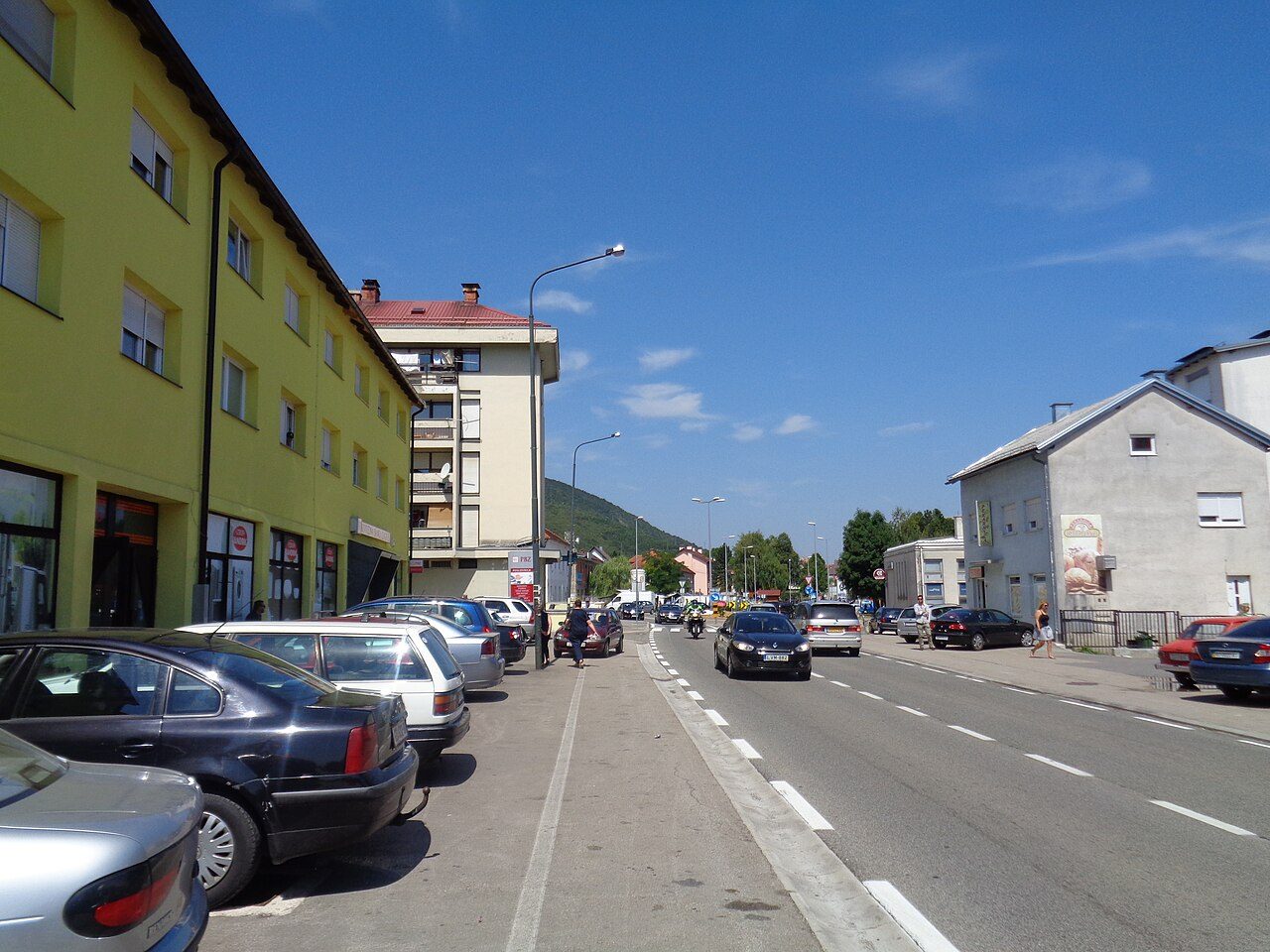
What to see in Korenica
Photo credits (2)
- Silverije, CC BY-SA 4.0, via Wikimedia Commons
- Pablo BM from London, England, CC BY 2.0, via Wikimedia Commons