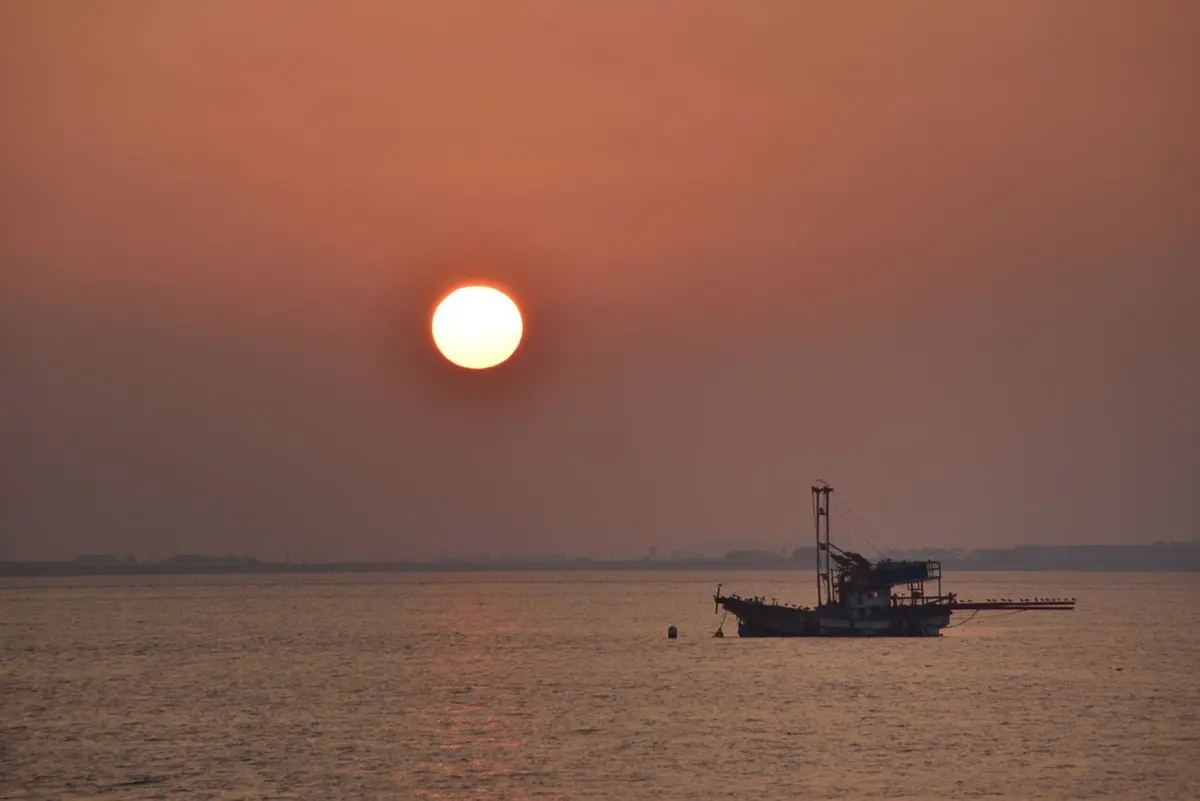
Incheon
Facing the Yellow Sea just west of Seoul, Incheon is a working port city defined by maritime winds, vast tidal flats, and low coastal hills. Walking through its waterfront districts means moving between cargo docks, preserved red-brick warehouses, and steep stairways climbing toward Mount Eungbong. The air carries the tang of salt and low-tide silt, while the streets hum with the steady rhythm of island ferries and regional trains. The modern settlement expanded after the opening of Jemulpo port to foreign trade in 1883, later becoming the site of the decisive 1950 amphibious landing during the Korean War. Traces of this past cluster in the Open Port district, where late nineteenth-century timber banks and consular offices now house galleries and coffee shops. Directly adjacent sits the historic Chinatown, established in 1884, its hilly lanes lined with red paifang gates and traditional bakeries. Above them lies Jayu Park, the first Western-style public park in Korea, while further south on reclaimed wetlands, the glass skyscrapers of Songdo rise along a seawater canal. Local daily life centers on food and trade. At Sinpo International Market, crowds line up for dakgangjeong, crisp fried chicken coated in spiced syrup, and black bean noodles rooted in the culinary traditions of early dockworkers. In autumn, coastal gatherings like the Sorae Port festival draw residents stocking up on salted fermented seafood for winter kimchi preparation. Autumn is also the ideal season to visit, bringing dry air and clear harbor views, and travelers can reach nearly every historic quarter directly via the Seoul Metropolitan Subway.
Read more