Gyumri
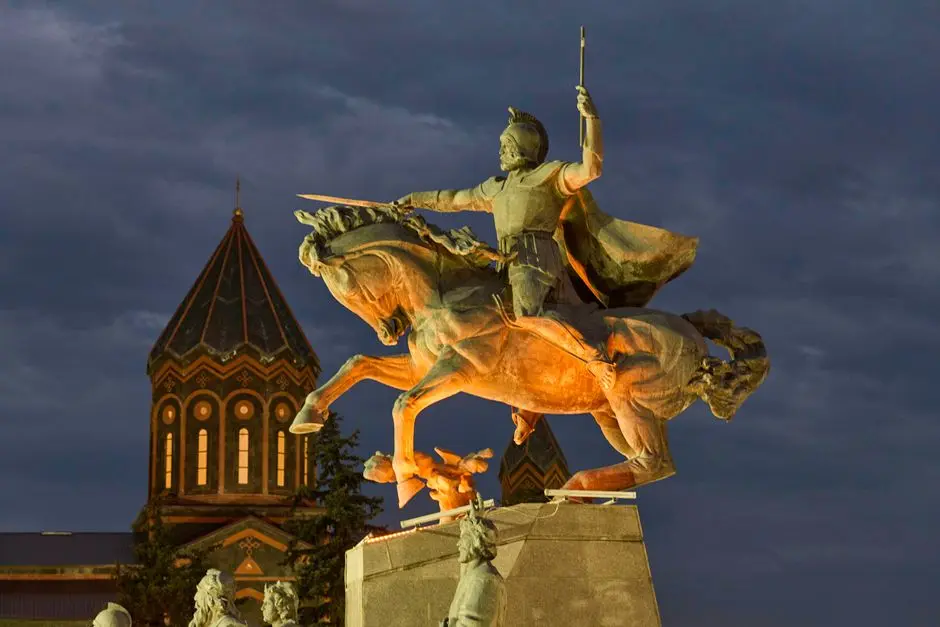
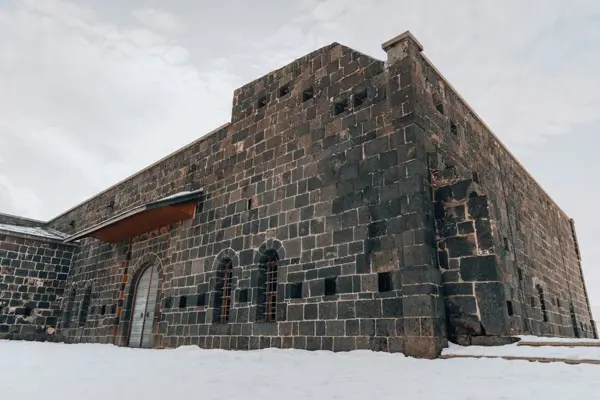
Set on the windswept Shirak Plain near the Akhurian River, with the volcanic crests of Mount Aragats on the southern horizon, Gyumri carries an introspective, deeply artistic soul. Walking through its wide, quiet streets reveals rows of 19th-century neoclassical townhouses built from carved black and burnt-orange volcanic tuff. Much of this architectural legacy survives in the Kumayri historic district, dating back to 1837 when the town expanded as the Russian imperial garrison of Alexandropol. Within walking distance stand the brooding basalt masonry of the mid-19th-century Black Fortress, the open stone expanse of Vartanants Square, and the facade of the Church of the Holy Saviour, painstakingly rebuilt after the devastating 1988 earthquake. Gyumri is renowned across Armenia for its sharp humor and artisan guilds, particularly its ironsmiths and stonemasons. The central covered market buzzes with vendors slicing salty Shirak string cheeses, dried plums, and fresh herbs. In local taverns, meals center on panrkhash, a warming communal dish of layered lavash, cheese, and caramelized onions, often paired with fresh river trout. Compact and flat, the historic core is easily explored on foot, and the city connects directly to Yerevan via a regular two-hour passenger train. Late spring through early autumn provides mild mountain air and clear skies, ideal for exploring courtyards before cold winter winds descend across the plateau.
Read more