Guayaquil
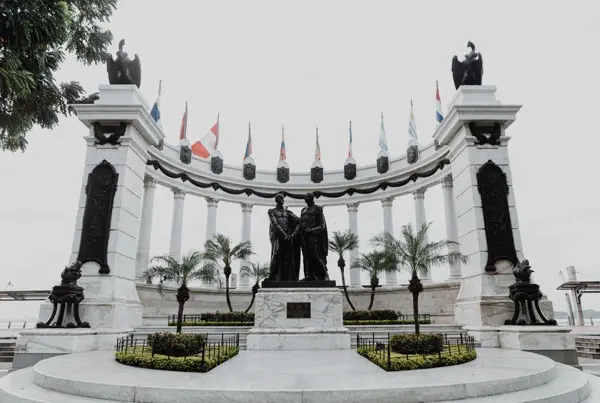
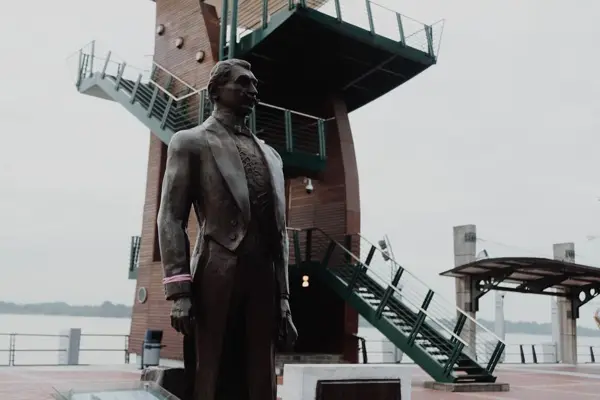
Guayaquil sprawls along the western bank of the broad Guayas River, just north of where it empties into the Pacific Ocean. Ecuador’s commercial engine pulses with thick coastal heat, persistent riverfront breezes, and the rhythmic shouts of street vendors selling fresh coconut water and peeled oranges. Walking through the city, you move between wide, humid avenues lined with banking towers and shaded plazas where tropical trees drop yellow blossoms onto stone pavements. Founded permanently in 1538 by Francisco de Orellana, the port later staged the momentous 1822 conference where liberators Simón Bolívar and José de San Martín decided the fate of South America. That maritime heritage centers on the Malecón 2000, a long riverside boardwalk leading to Las Peñas, a nineteenth-century hillside enclave of pastel wooden homes and cobblestone alleys. Climbing the 444 numbered steps of Cerro Santa Ana rewards you with open views of the river delta, while back downtown, Parque Seminario offers the peculiar sight of dozens of wild land iguanas sunning themselves on park benches alongside office workers. Guayaquileño culture revolves around food, particularly encebollado, a hearty tuna and yuca broth eaten for breakfast, and communal weekend feasts of cracked mangrove crab seasoned with beer and coriander. Every July, the city celebrates its foundation during the Fiestas Julianas with street parades, art exhibits, and public dancing. Because midday temperatures climb rapidly, schedule outdoor walks for the cooler early morning hours or twilight, and use the Aerovía cable car or registered app-based taxis to cross town efficiently.
Read more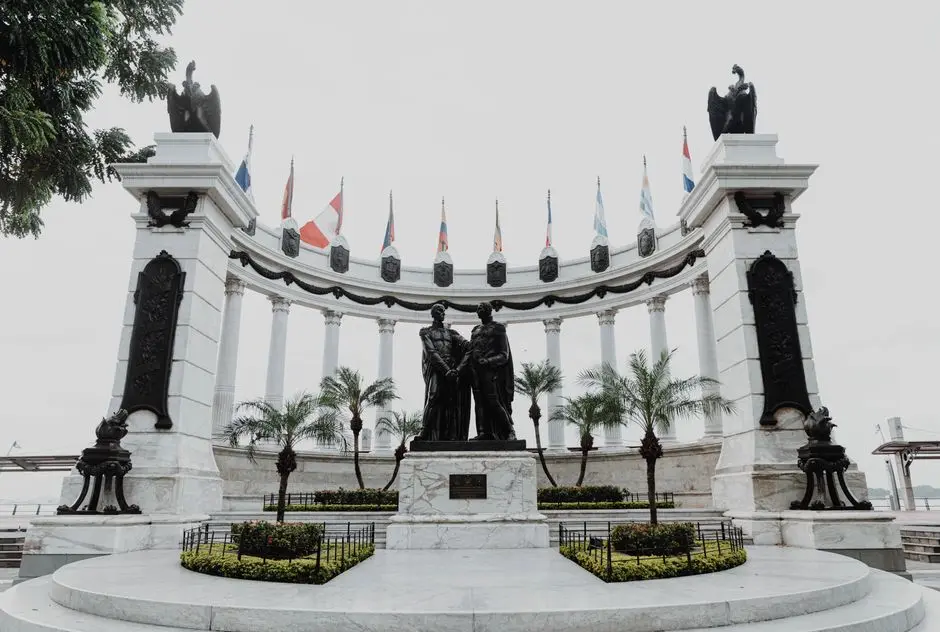
What's on in Guayaquil
Huge open-air street exhibition of monumental paper-mâché effigies celebrating pop culture icons for Ecuador's Año Viejo New Year traditions.
Official infoEvents are collected automatically from the web. Dates can change, so please check the official information before you travel.