Gdansk
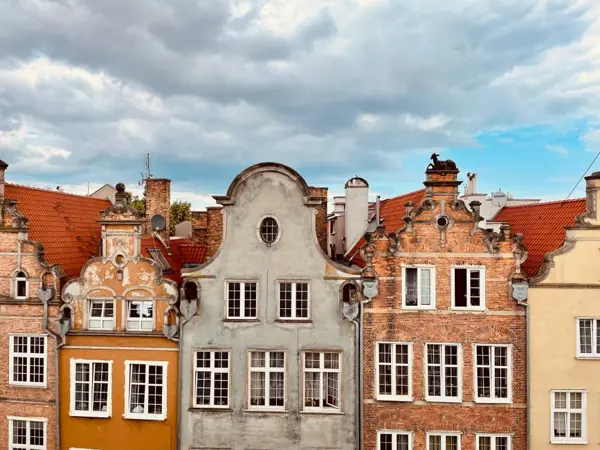
Set in northern Poland where the Motława River meets the Baltic coast, Gdańsk carries a sharp maritime breeze mixed with the scent of roasted coffee and aged brick. Walking through the Main Town reveals tall burgher houses painted in terracotta and ochre, with carved stone terraces jutting into cobbled lanes. The atmosphere feels distinctly Hanseatic, with gulls wheeling over canal quays and artisans polishing raw Baltic amber in sunken basement workshops along Mariacka Street. Incorporated into the Hanseatic League in 1361, the port was shaped by centuries of merchant wealth, followed by the trauma of World War II, which ignited at the nearby Westerplatte peninsula on September 1, 1939. Decades later, workers at the Gdańsk Shipyard organized the 1980 Solidarity strikes that ultimately dismantled communist rule across Poland. Today, the fourteenth-century harbor Crane still overhangs the waterfront with its massive wooden treadwheels, while the cavernous red-brick nave of St. Mary’s Church dominates the skyline above the red-tiled roofs. Daily life centers around the neo-Gothic Hala Targowa market hall, where shoppers buy smoked Baltic sprats, pickles, and curd cheese. Each August, the historic center hosts the St. Dominic’s Fair, an open-air market of artisans, antiques, and regional foods that dates back to 1260. The historic quarters are best explored on foot, though the local SKM commuter train provides quick access north to the beaches. Arrive in May or September to enjoy mild weather and uncrowded quays beneath crisp northern light.
Read more
What's on in Gdansk
Award-winning holiday market in Gdańsk's historic centre with illuminated stalls, artisan gifts, regional treats, and family attractions.
Official infoEvents are collected automatically from the web. Dates can change, so please check the official information before you travel.