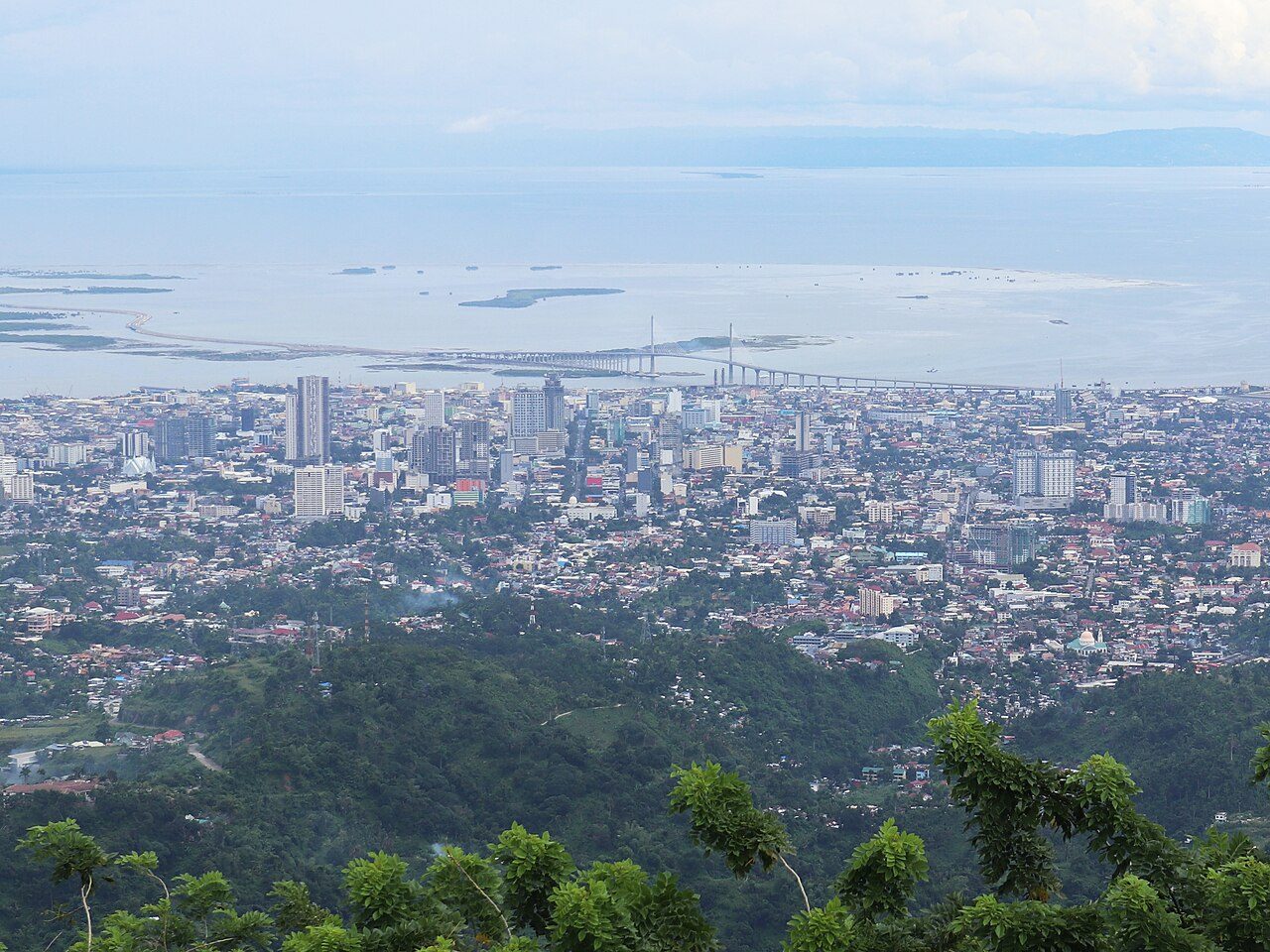
Cebu City
Cebu City clings to a narrow coastal plain between the calm waters of the Mactan Strait and the green ridges of the Central Cebu mountain range. Stepping onto its bustling sidewalks drops you into lively sensory motion: the rhythmic rumble of brightly painted jeepneys, the savory aroma of roasting pork, and a dynamic hum where glass high-rises overlook weathered Spanish-era stone. Sea breezes frequently drift into the downtown grid, carrying a faint tang of salt toward the crowded alleyways. Established as a Spanish settlement in 1565 by Miguel Lopez de Legazpi after Ferdinand Magellan arrived in 1521, this is the oldest city in the Philippines. Centuries of devotion and commerce converge in the downtown district. At the Basilica Minore del Santo Niño, worshippers gather before a sixteenth-century wooden statuette of the Christ Child. Steps away stands Magellans Cross, sheltered beneath an octagonal stone pavilion. Nearby, the triangular coral-stone ramparts of Fort San Pedro border the waterfront, while Colon Street, the countrys oldest roadway, still thrives with discount trade and old department stores. Local life centers on deep-seated traditions and shared meals. At the sprawling Carbon Market, vendors sell woven baskets, dried squid, and bundles of rice steamed in woven palm leaves known as puso, an essential accompaniment to rich, crisp-skinned Cebu lechon. Every third Sunday of January, the city erupts in the Sinulog festival, filling the avenues with rhythmic drumming and vivid street dancing. The most comfortable travel window falls between December and May during the drier months, and hailing metered taxis or ride-sharing cars provides the easiest way to navigate across districts.
Read more