Busan
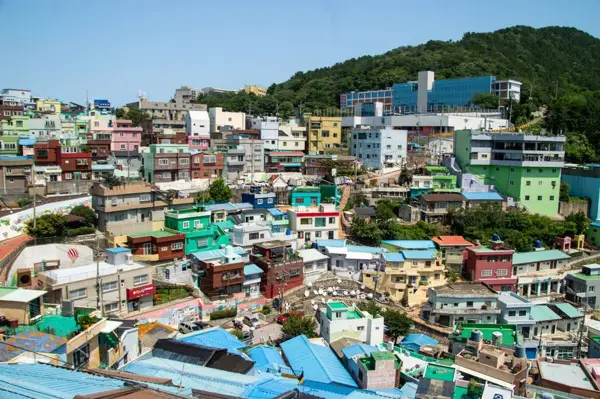
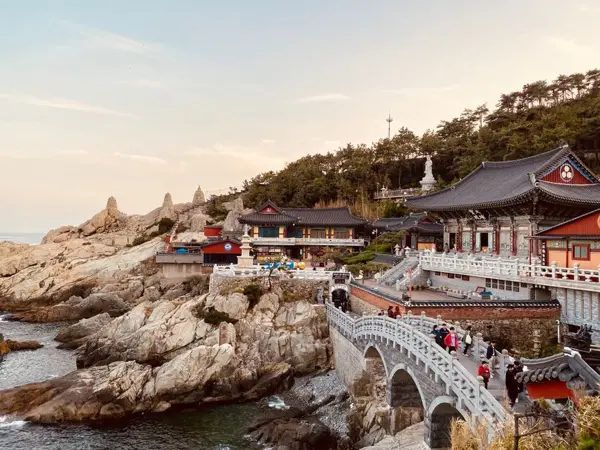
Squeezed between the granite ridges of Mount Geumjeong and the Korea Strait, Busan spans South Koreas southeastern tip where the Nakdong River meets the ocean. Exploring the city feels physically dramatic, as sheer peaks drop directly into working shipping lanes and densely packed neighborhoods rise up steep coastal slopes connected by public stairways. During the Korean War in 1950, Busan served as South Koreas provisional capital, taking in refugees who transformed the coastal topography. In Gamcheon, pastel-colored terraced homes built during that crisis still cascade down the mountainside. Farther along the eastern shore stands Haedong Yonggungsa, a Buddhist sanctuary founded in 1376 directly over rocky ocean waves, while the waterfront district of Nampo-dong bustles with Jagalchi Market, where fishmongers sell live seafood from open saltwater tanks. Local culinary life centers on dwaeji gukbap, a rich pork bone broth developed by wartime refugees. Every October, the Busan International Film Festival enlivens the Haeundae district with outdoor screenings and international crowds. Autumn brings clear skies and mild temperatures, making October the ideal month to explore. The efficient subway system connects major beaches and transit hubs, though hopping onto small neighborhood minibuses remains the best way to conquer the steep residential hills.
Read more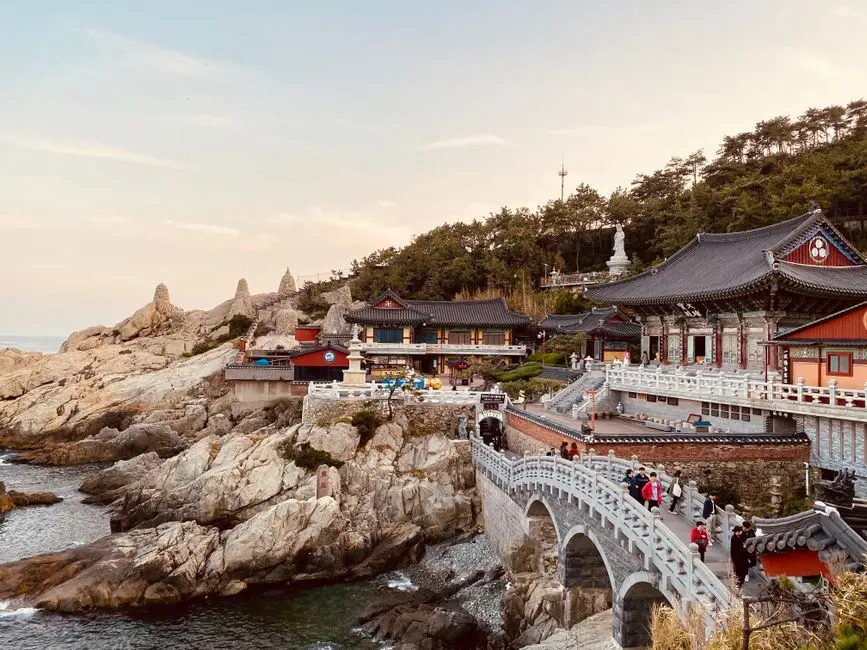
What's on in Busan
A seaside winter illumination festival lighting up Millak Waterside Park with dazzling camellia-themed light displays and ocean views.
Official infoAn immersive European-style holiday village at Busan Cinema Center featuring a snowfall plaza, holiday parades, choirs, and gourmet food stalls.
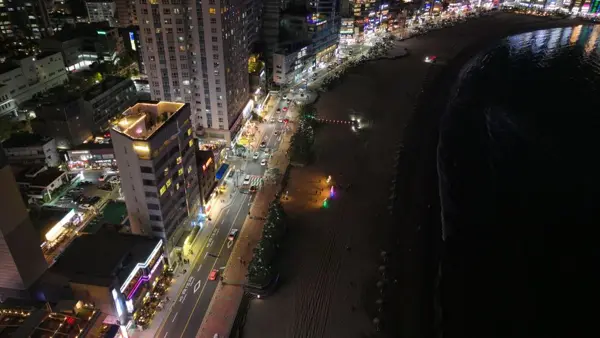
Official infoBusan's iconic winter night festival illuminating Haeundae Beach with luminous sculptures, interactive light installations, and festive photo zones.
Official infoEvents are collected automatically from the web. Dates can change, so please check the official information before you travel.