
Bsharri
Perched at 1,400 meters above sea level on the edge of the Kadisha Gorge in northern Lebanon, Bsharri greets visitors with terracotta roofs, pale limestone facades, and crisp alpine air. Walking its steep, winding alleys reveals a quiet mountain settlement where the scent of woodsmoke mingles with wild oregano, and terrace views drop straight down into the chasm carved by the Holy River. Settled since antiquity and later fortified as a Maronite Christian refuge in the thirteenth century, the town preserves deep cultural memory. The Gibran Museum occupies the twelfth-century Hermitage of Mar Sarkis, displaying the original paintings, notebooks, and tomb of author Kahlil Gibran, brought home in 1931. Dominating the main square stands the twin-towered Saint Saba Cathedral, constructed in the 1920s over medieval foundations. Five kilometers uphill, the Cedars of God grove preserves ancient, weather-beaten timber, while footpaths descend into the valley toward the cliffside Saint Elisha Monastery. Daily life centers on village bakeries turning out zaatar flatbreads topped with local walnuts, alongside crates of mountain apples harvested every autumn. In early August, residents gather for the Feast of the Transfiguration, filling courtyards with the sound of church bells and communal kettles of herisheh, a traditional wheat and meat porridge. Late spring through early autumn offers dry roads and clear trail access. The village core is best explored on foot, though visiting the gorge and cedar groves requires a rental car capable of handling steep mountain switchbacks.
Read more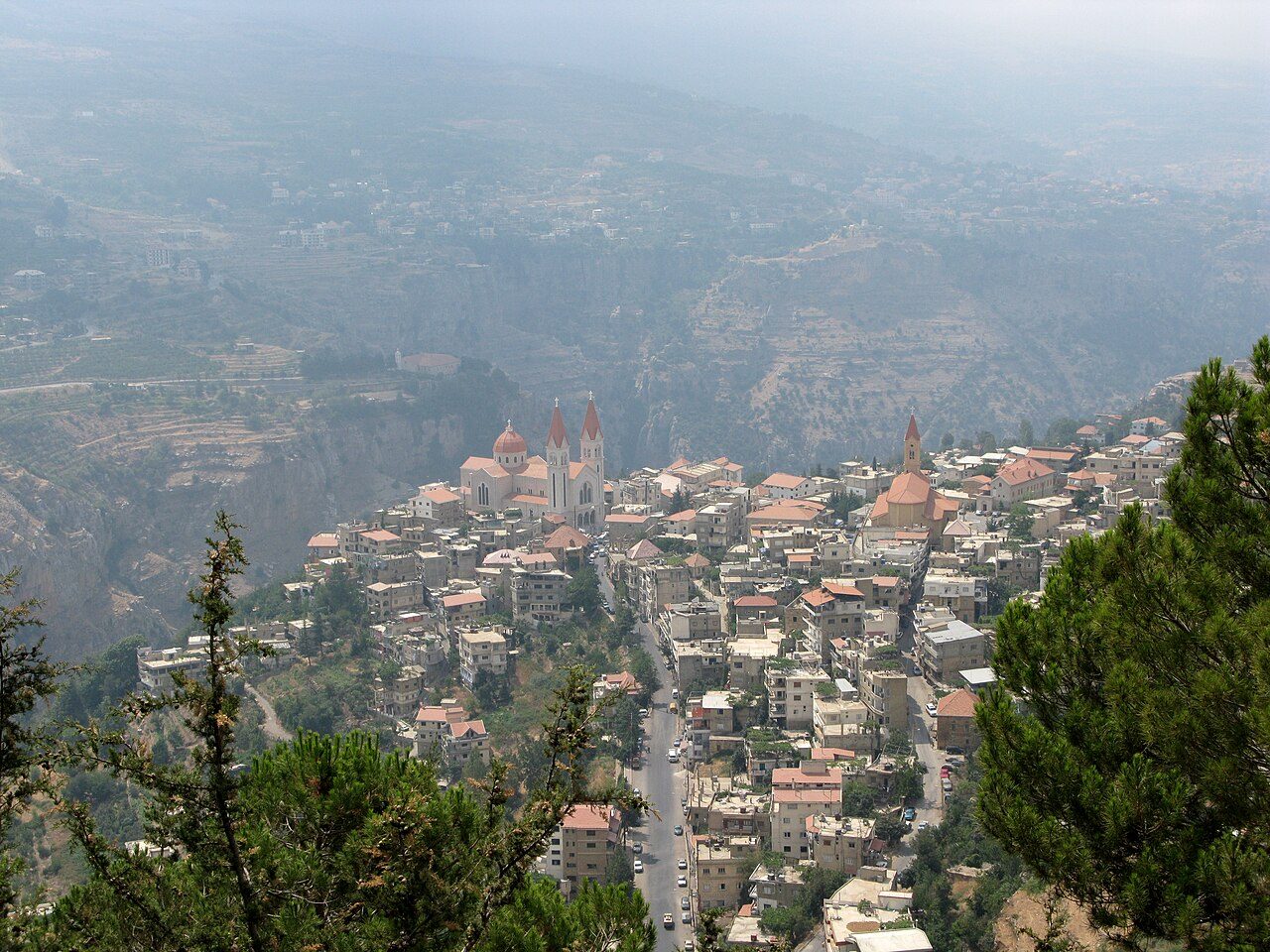
What to see in Bsharri
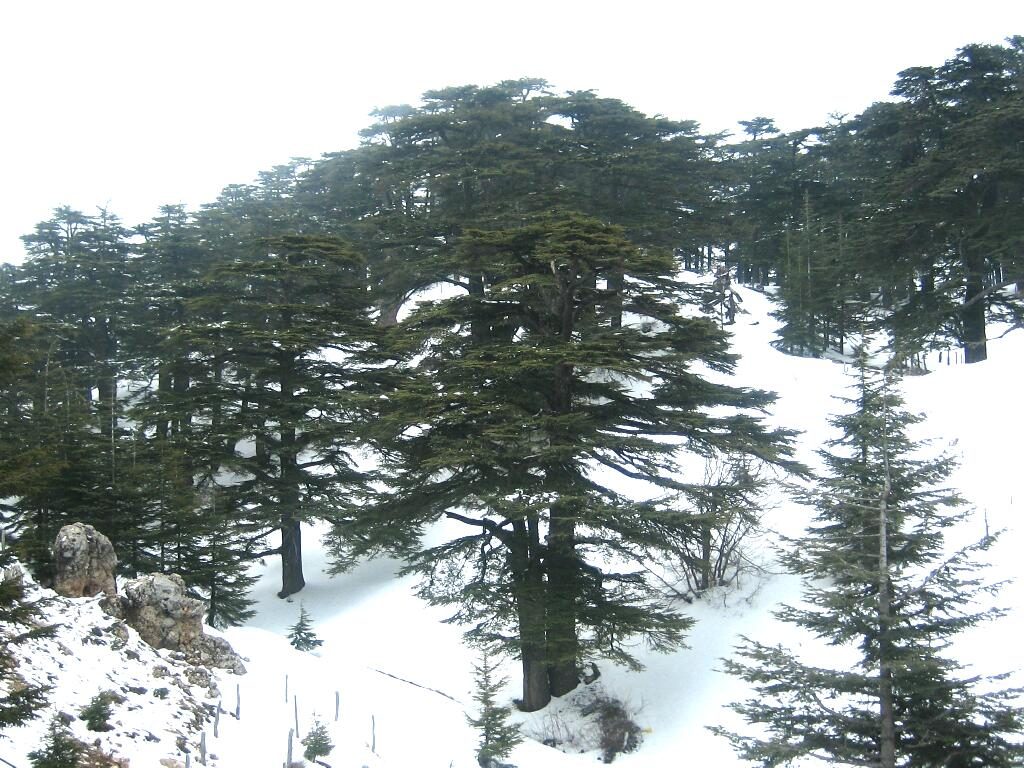
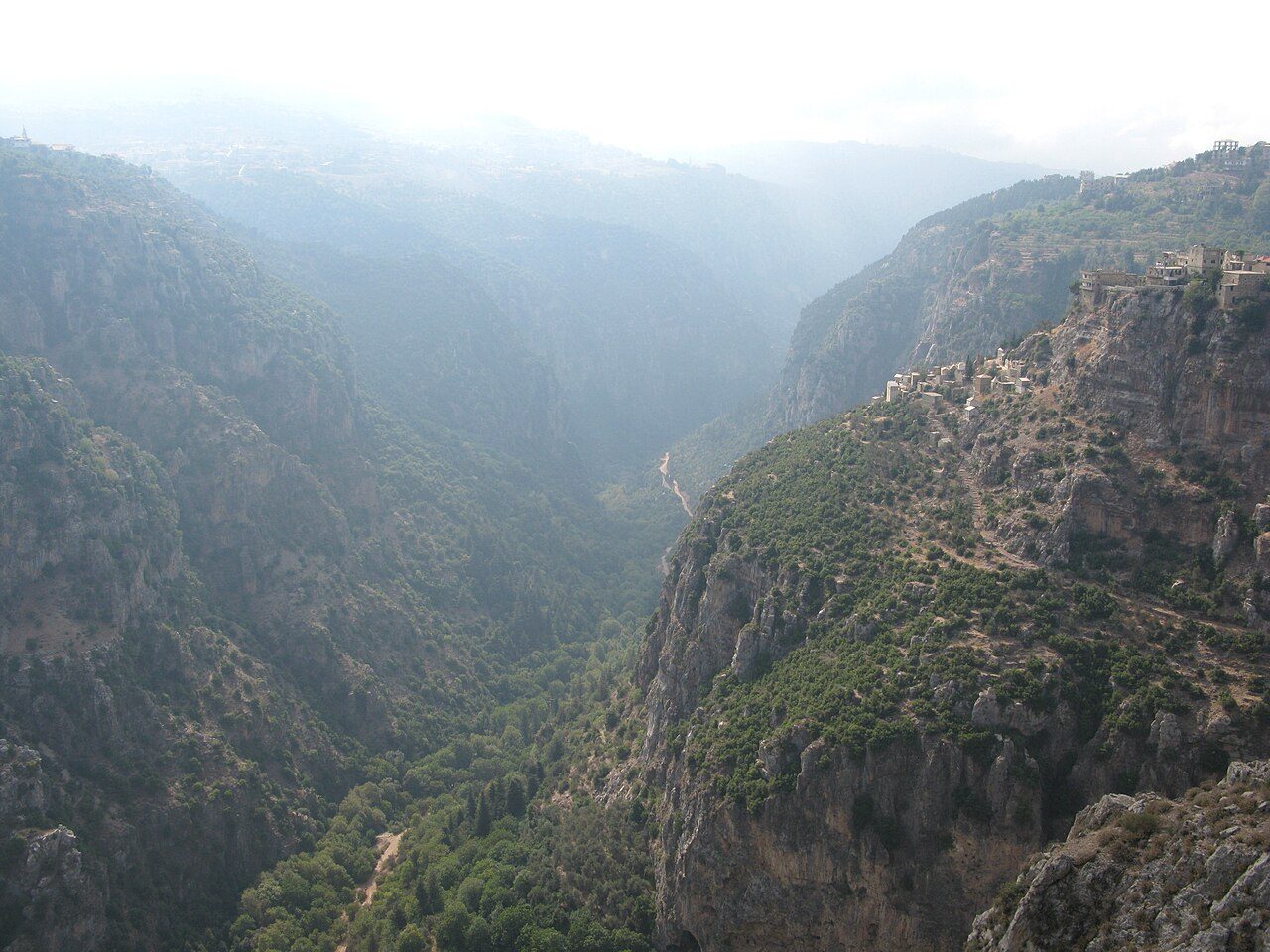
Photo credits (3)
- Vyacheslav Argenberg, CC BY 4.0, via Wikimedia Commons
- BlingBling10 at English Wikipedia, CC BY-SA 3.0, via Wikimedia Commons
- Vyacheslav Argenberg, CC BY 4.0, via Wikimedia Commons