Bruges
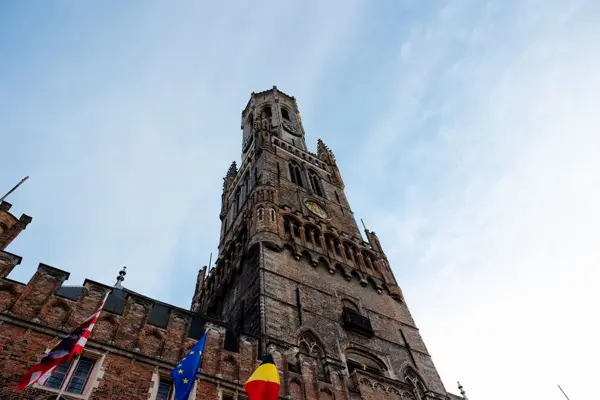
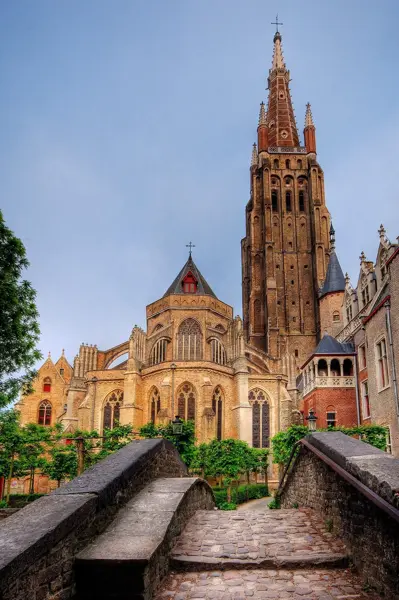
Set in the flat polders of West Flanders, barely ten miles inland from the North Sea, Bruges is framed by an intricate web of canals linked to the river Reie. Walking through the city centers on a sensory immersion in old brick and water: carriage horses clatter across irregular cobblestones, white swans drift past weeping willows, and quiet side streets reveal gabled merchant facades that have altered little in centuries. The town flourished between the twelfth and fifteenth centuries as a powerhouse of the Hanseatic League, enriched by international cloth trade after an 1134 tidal surge cut a deep navigational channel through the Zwin estuary. In the central Markt, the thirteenth-century Belfry towers eighty-three meters over the square, still ringing a forty-seven-bell carillon. A short walk south, the Church of Our Lady holds Michelangelo’s white marble Madonna and Child, sculpted in 1504, while the Begijnhof, founded in 1245, encloses whitewashed houses and tall poplars behind a secluded moat. Across the eastern canals, the working-class Saint Anna quarter retains historic lace workshops and four wooden windmills built atop the grassy ramparts. Local culinary life thrives on sour Flemish red ales and rich beef carbonnade simmered with dark beer, alongside the bustling Wednesday morning food market in the square. Every spring on Ascension Day, the city mounts the Procession of the Holy Blood, a pageant documented since the early fourteenth century. Because day-trippers arrive in heavy waves around noon, the best way to absorb the city is on foot or by rented bicycle at dawn or after twilight, when the floodlit stone quays fall silent.
Read more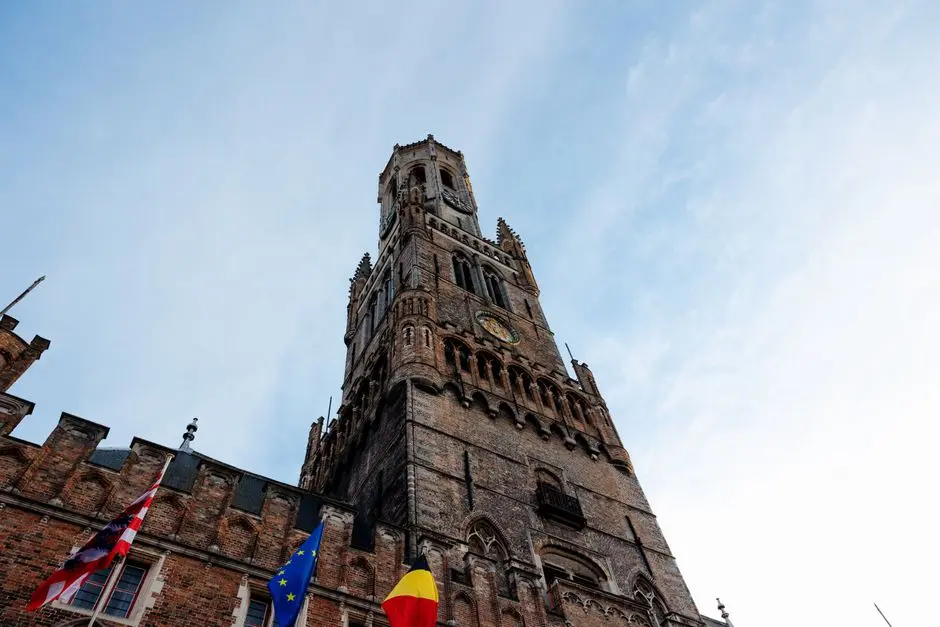
What's on in Bruges
Bruges' winter festival features a captivating light experience trail across the medieval city center, festive market chalets, and an artificial ice rink.
Official infoEvents are collected automatically from the web. Dates can change, so please check the official information before you travel.