Al Wakrah
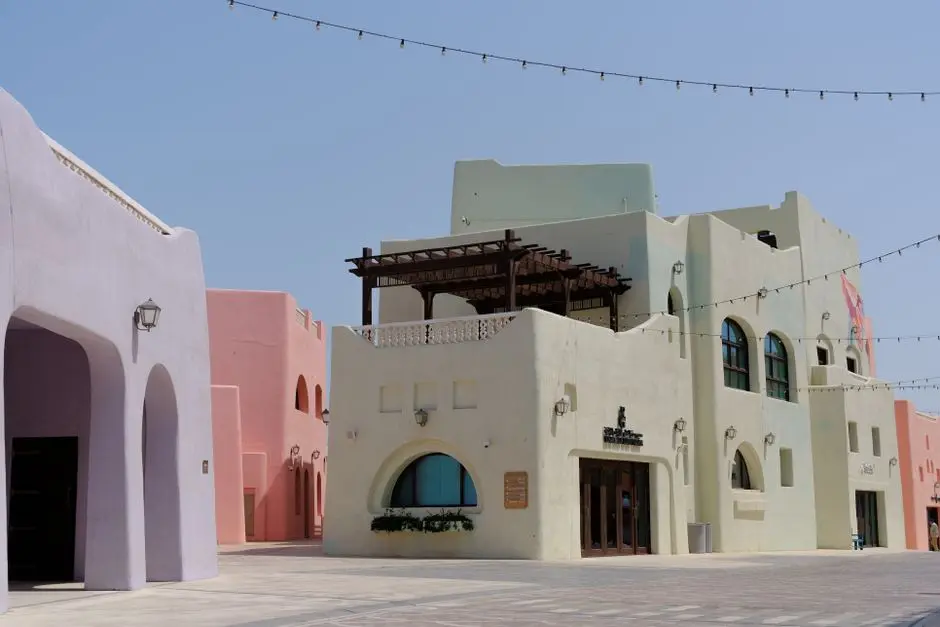
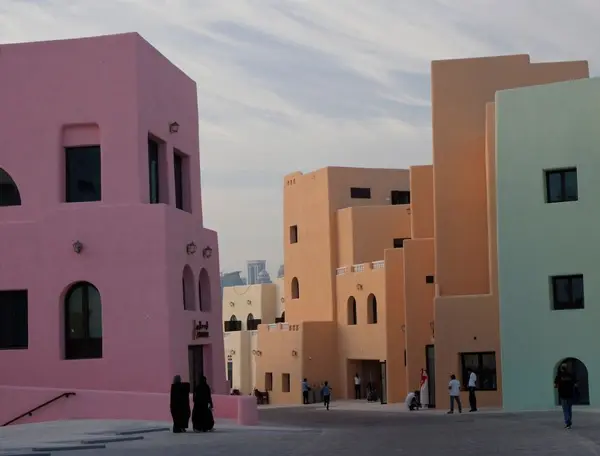
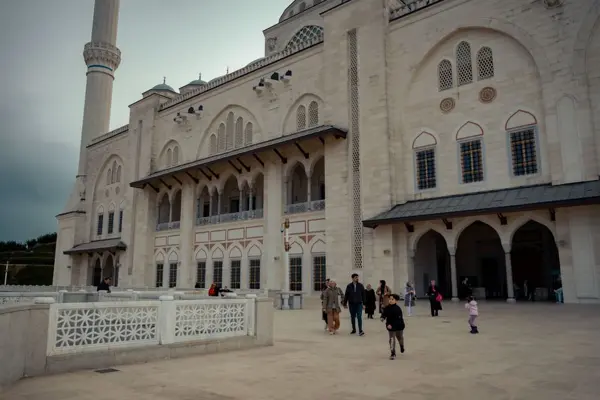
Just south of Doha along the shallow flats of the Persian Gulf, Al Wakrah holds tightly to its maritime roots. Strolling the waterfront corniche, the pace drops noticeably compared to the capital. The air smells of brine and dried timber, while low, coral-stone buildings and arched colonnades mimic the layout of a pre-oil Qatari fishing village rather than a modern metropolis. Originally settled as a major pearling harbor dominated by the Al Buainain and Al Khater tribes in the nineteenth century, the town still displays its past in physical form. Souq Al Wakrah anchors the coast, reconstructed with earthen-toned alleyways and cooling windtowers that open straight onto the tidal sand. Nearby sits the Abu Manaratain Mosque, notable for its rare low minaret and thick coral walls, while the twentieth-century Al Wakrah Fort preserves the defensive architecture of old Qatar. Farther inland, the sweeping lines of Al Janoub Stadium pay architectural tribute to the billowing sails of traditional wooden dhows. Evenings revolve around the souq shoreline, where families gather over platters of spiced machboos and freshly grilled hamour pulled from the Gulf. During winter, the promenade hosts maritime festivals featuring traditional dhow races and craft workshops. The most comfortable time to visit is from November through March in the late afternoon, catching the cool sea breeze. Take the Doha Metro Red Line directly to Al Wakrah station, then catch a short Metrolink bus down to the seafront.
Read more