
Skull Tower
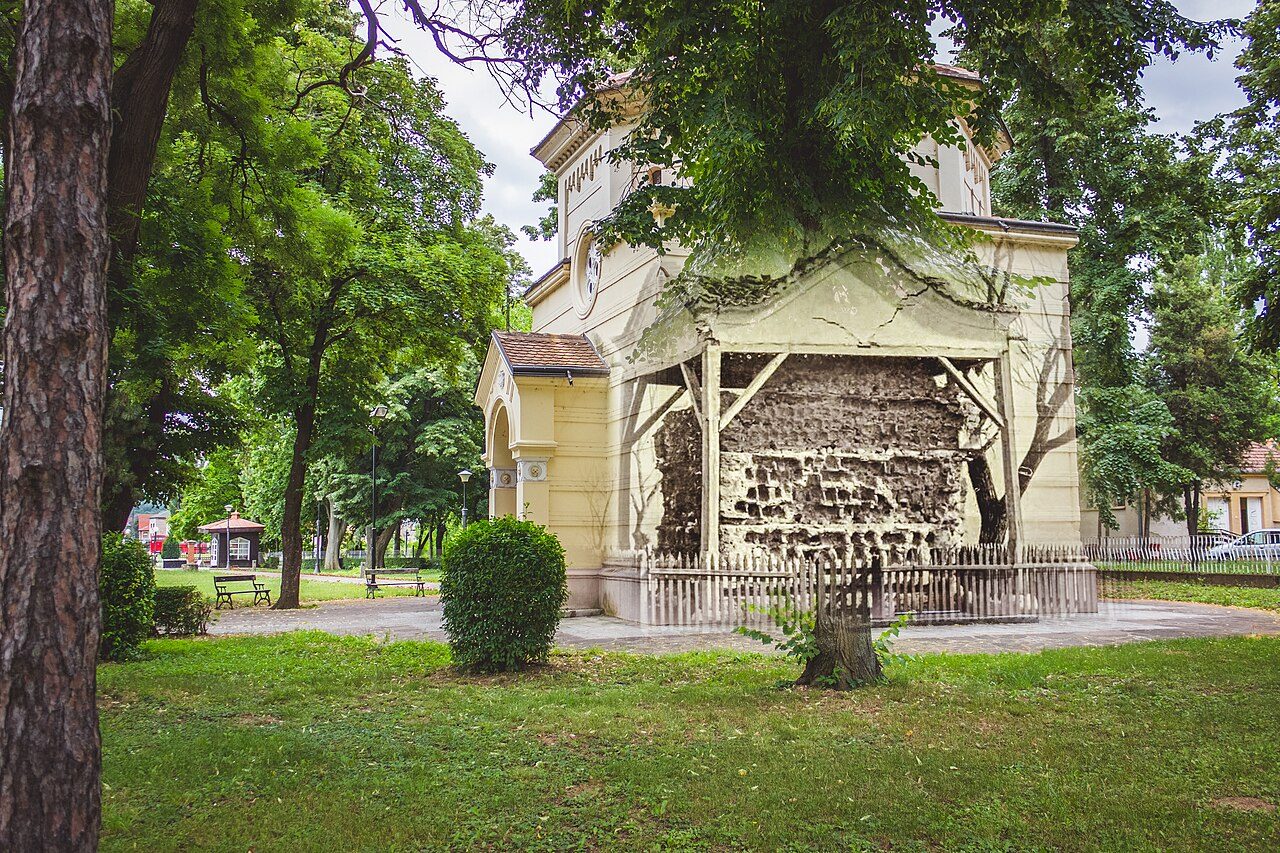
Rising in the eastern quarters of Niš, the grim monument known as Ćele Kula stands as a visceral relic of the First Serbian Uprising. Following the catastrophic Battle of Čegar in May 1809, rebel commander Stevan Sinđelić fired into his own gunpowder magazine rather than surrender, annihilating both his men and the advancing Ottoman forces. In retribution, Ottoman Grand Vizier Hurshid Pasha ordered the decapitation of the fallen rebels, flaying their skulls and setting them into a freestanding, three-meter-high pillar of lime and sand. Originally bristling with 952 heads across 14 gruesome rows, the battered rectangular core now retains just 58 skulls, preserved within a neo-Byzantine red-brick chapel erected by architect Dimitrije T. Leko in 1892. Stepping across the threshold into the subdued interior, travelers are met with an immediate, suffocating silence. The central pillar resembles a geological cross-section studded with human bone; hollow eye sockets, calcified teeth, and fractured cranial plates protrude outward from the coarse, pale mortar at irregular angles. Adjacent to the monolith, a dedicated glass vitrine shelters the severed skull believed to belong to Sinđelić himself. The air inside remains cool and reverent, where the tactile reality of bleached bone shifts the site from a brutal monument of imperial subjugation into an austere sanctuary of defiance.
More in Nis
Photo credits (2)
- Davorin Dinic, CC BY-SA 4.0, via Wikimedia Commons
- MrPanyGoff, CC BY-SA 3.0, via Wikimedia Commons