
Sarajevo Tunnel
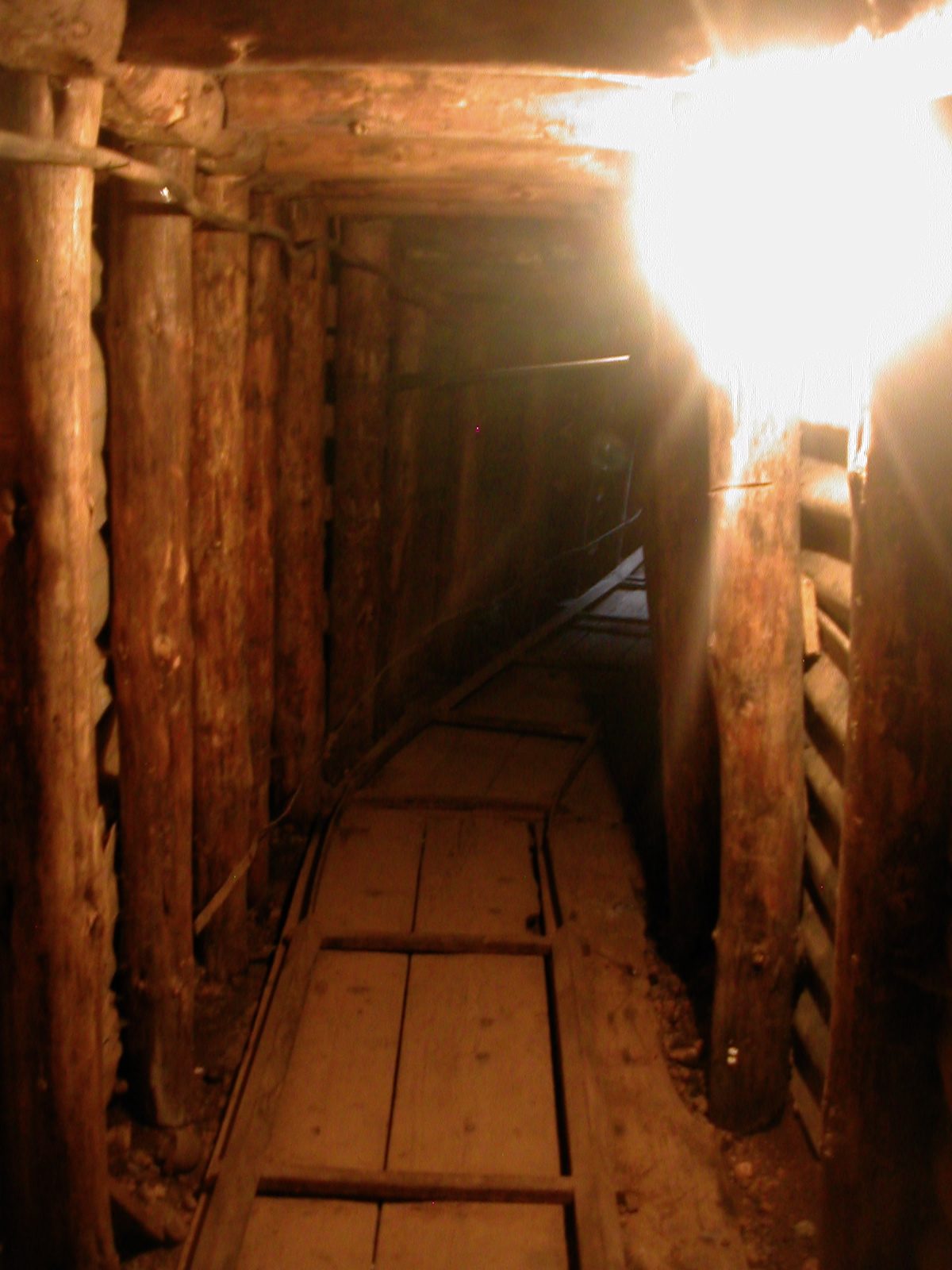
Dug entirely by hand with picks and shovels between March and June 1993, the *Tunel spasa* (Tunnel of Hope) punctured the suffocating 1,425-day Siege of Sarajevo. Carved beneath the neutral tarmac of the United Nations-controlled Sarajevo Airport, this 800-meter clandestine lifeline linked the encircled Bosnian capital with free territory near Mount Igman. The tunnel’s south entrance remains hidden within the scarred, red-brick cellar of the Kolar family farmhouse, its facade still pockmarked by heavy mortar shrapnel. Throughout the war, this secret, hand-timbered conduit ferried humanitarian aid, weapons, crude oil, and over a million clandestine passages, effectively preventing the capital’s total capitulation. Today, visitors descend through the concrete threshold of the Kolar cellar into a preserved 25-meter segment of the subterranean corridor. The experience is immediately claustrophobic: the ceiling hangs at just 1.5 meters high, forcing an awkward, stooped posture beneath rough pine timbers and bare support struts. Dim, low-voltage bulbs illuminate the narrow-gauge iron tracks beneath your feet, where improvised metal carts once rattled through standing groundwater carrying wounded soldiers and sacks of flour. The atmosphere remains cool, subterranean, and thick with the scent of damp earth, offering an unvarnished encounter with the physical constraints of wartime survival. Surrounding museum rooms preserve original pickaxes, field stretchers, and the improvised 12-centimeter fuel pipeline that kept the darkened city breathing.
More in Sarajevo
Photo credits (4)
- Baumi, CC BY-SA 3.0, via Wikimedia Commons
- Bjoertvedt, CC BY-SA 3.0, via Wikimedia Commons
- en:User:Dark Apostrophe, Public domain, via Wikimedia Commons
- Tumi-1983, CC0, via Wikimedia Commons