
Iguazu National Park
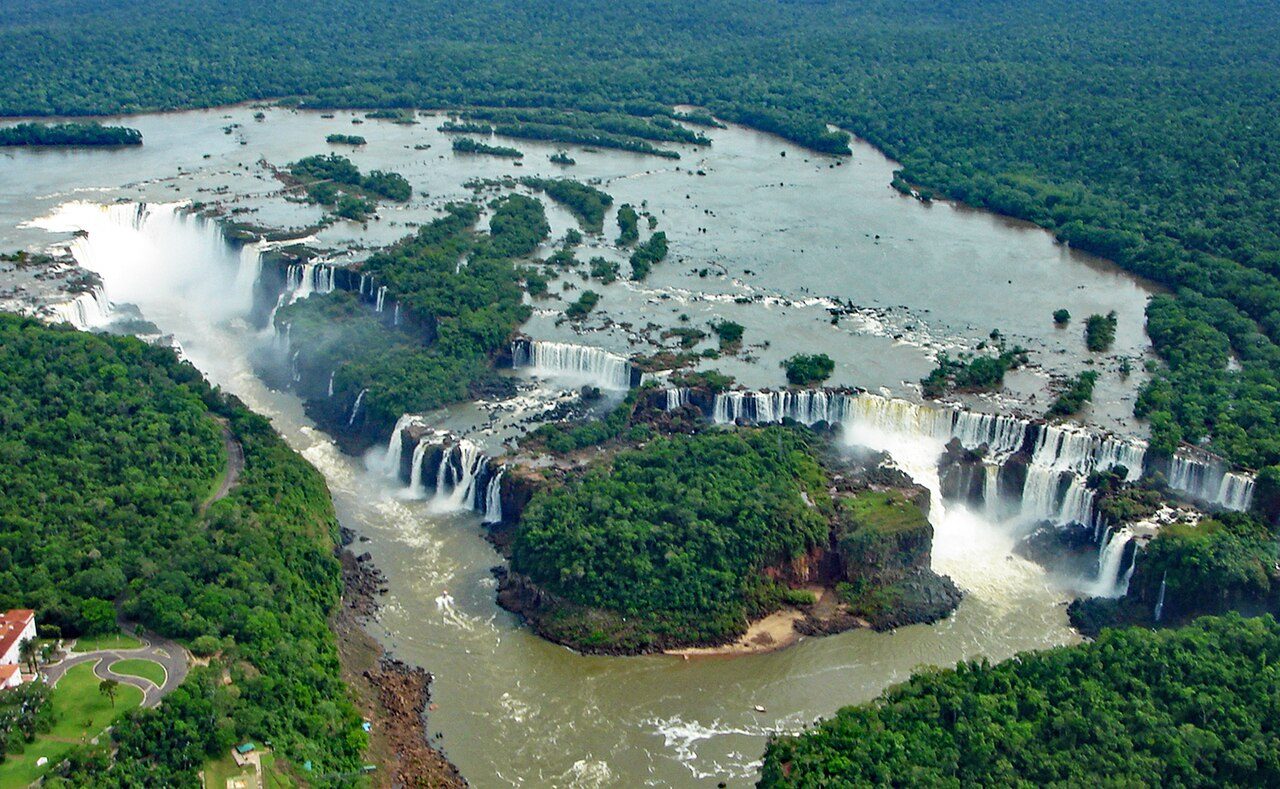
Long before Spanish explorer Álvar Núñez Cabeza de Vaca documented the thundering torrents in 1541, the indigenous Guaraní sanctified this geography as *Yguazú* ("Great Water"), attributing the fractured chasm to the wrath of the serpent deity M’Boi. Formalized as an Argentine national park in 1934 under the conservation master plan of French-Argentine landscape architect Carlos Thays, the reserve earned UNESCO World Heritage designation in 1984. Geologically sculpted by ancient volcanic flows, the park encompasses an amphitheater of roughly 275 individual cataracts tumbling across two miles of stepped, Mesozoic basalt shelves. Its structural centerpiece is the colossal *Garganta del Diablo* (Devil’s Throat), a horseshoe-shaped abyss plunging 82 meters into a perpetual cauldron of white water. Traversing the network of steel footbridges suspended above rust-red laterite earth and the Upper Iguazú River, travelers walk through a dense canopy alive with vivid toucans and ring-tailed coatis. Stepping onto the balcony at the rim of Devil’s Throat, the sheer acoustic violence of 1,500 cubic meters of water collapsing per second reverberates deep inside your chest. Blinding plumes of vapor rise high into the subtropical air, constantly refracting the sunlight into luminous double rainbows. Through the deluge, visitors watch Great Dusky Swifts execute daring, near-vertical dives, slicing directly through the crushing curtains of water to roost on the slick, fern-covered volcanic rock faces shielded behind the falls.
More in Puerto Iguazu
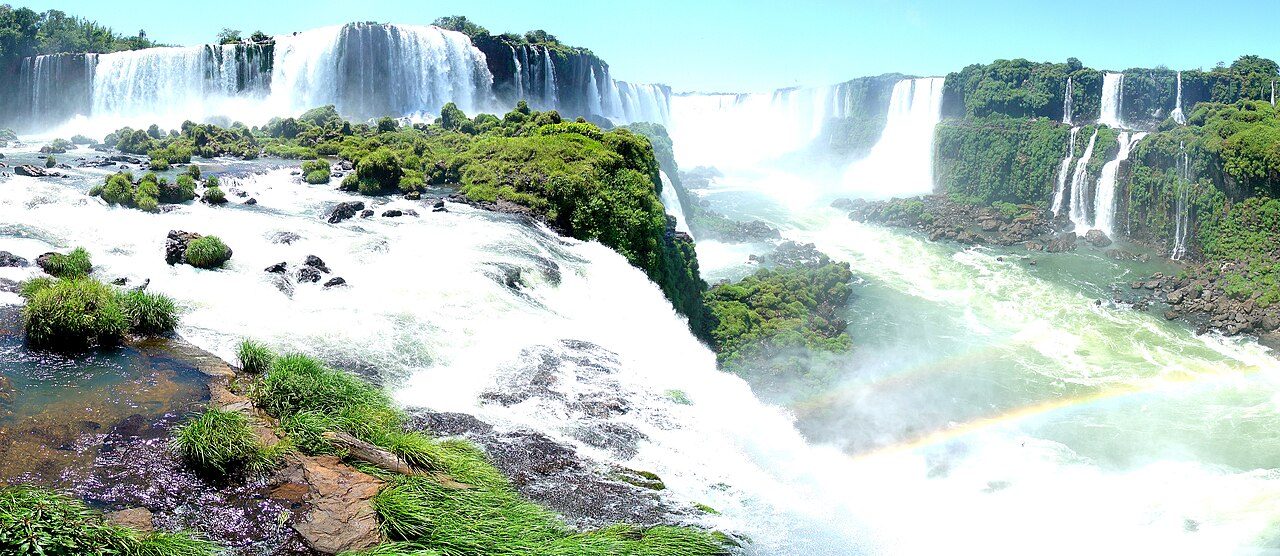
Photo credits (2)
- Mariordo (Mario Roberto Durán Ortiz), CC BY-SA 4.0, via Wikimedia Commons
- Martin St-Amant ( S23678 ), CC BY 3.0, via Wikimedia Commons