
Lago-Naki Plateau
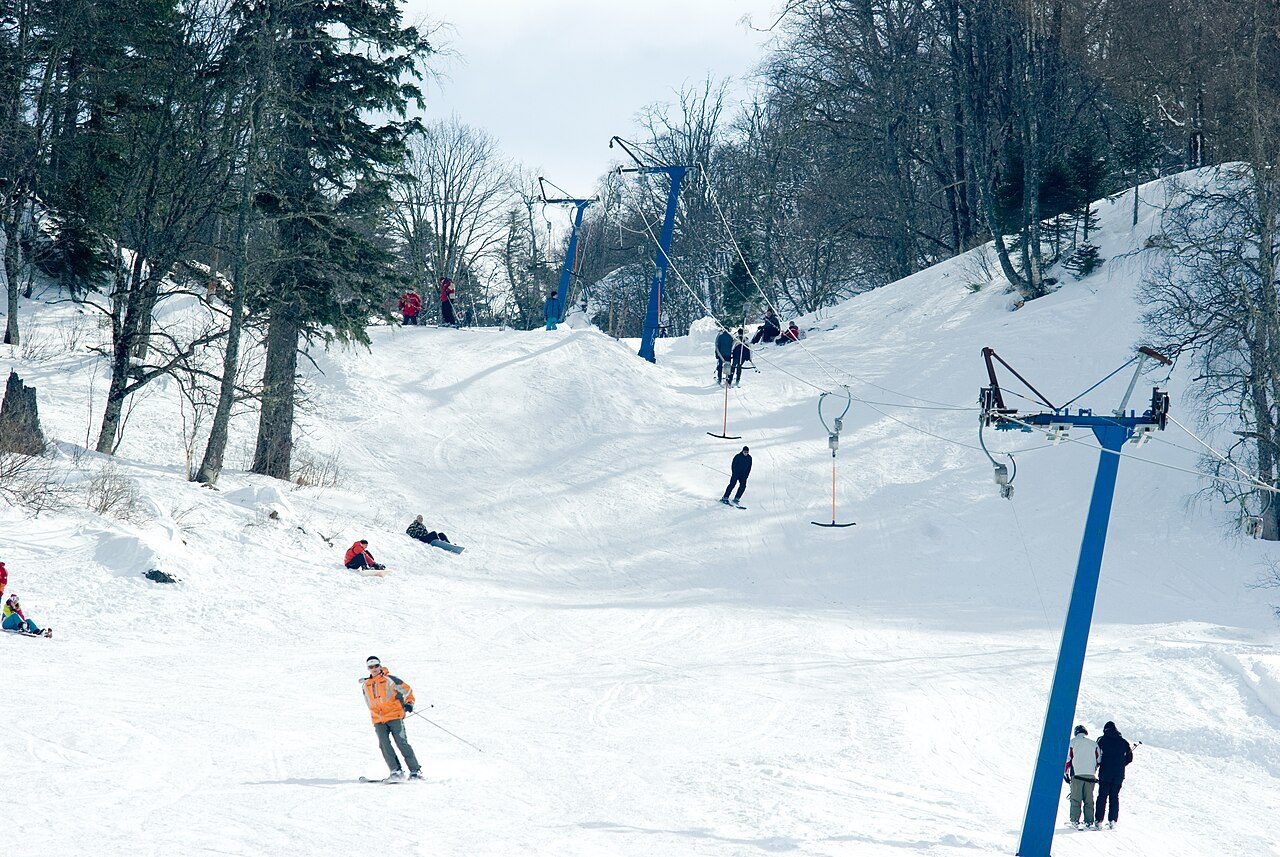
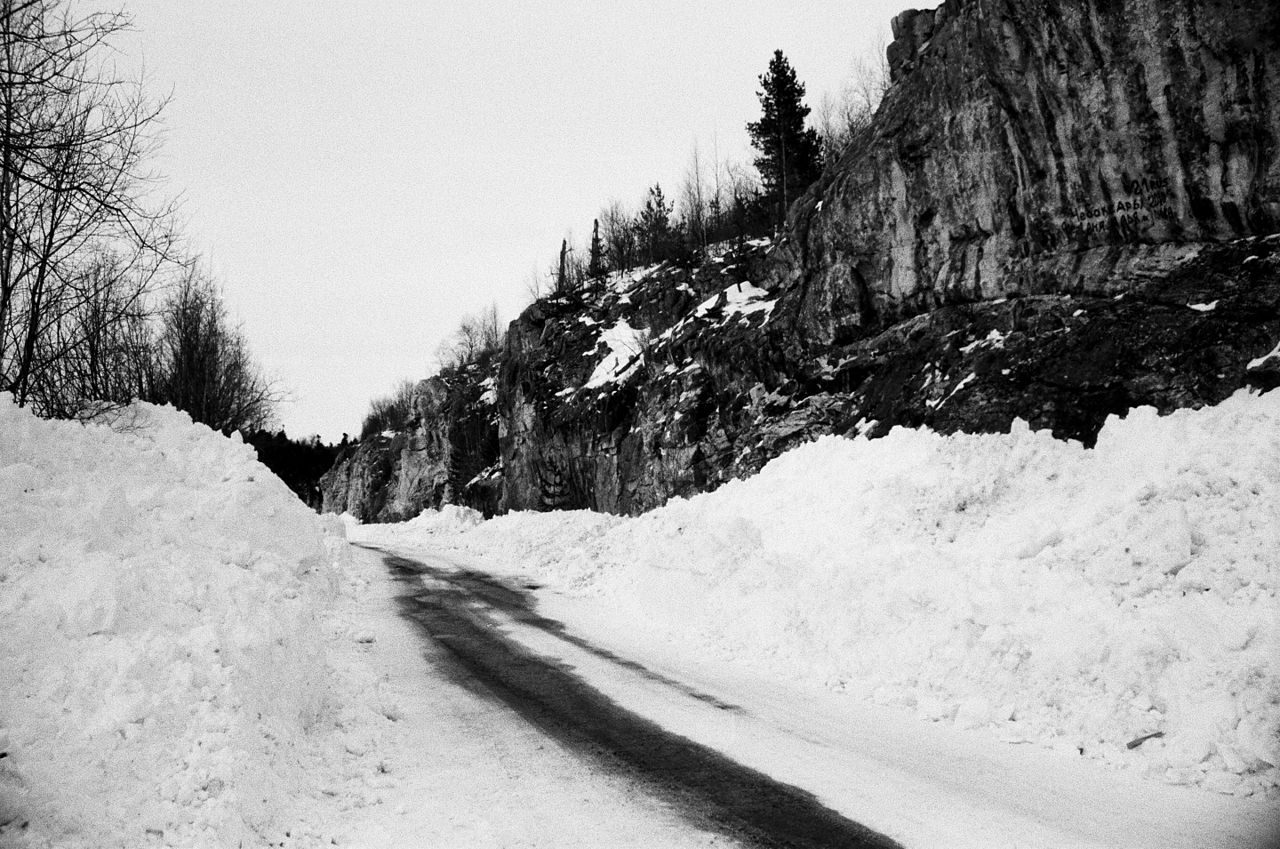
Carved from the ancient limestone bed of the prehistoric Tethys Ocean, this 650-square-kilometer karst highland rolls beneath the jagged crests of the Fisht-Oshten massif south of Maykop. Steeped in Circassian folklore, its name immortalizes the tragic Adyghe legend of the shepherd Lagon and the noblewoman Naki, whose doomed flight unfolded across these high passes. Long traversed by nomadic tribes and later contested during the nineteenth-century Caucasian War, the territory gained scientific sanctuary in 1924 when naturalist Christopher Shaposhnikov helped establish the Caucasus Biosphere Reserve, culminating in its 1999 UNESCO World Heritage inscription. Beneath its carpeted ridges lie labyrinthine cavern networks, including the subterranean chambers of the Bolshaya Azishskaya Cave, illuminated to reveal dramatic twenty-meter halls of calcite stalagmites. Standing atop the plateau’s northern rim, travelers encounter bone-white limestone cliffs that plunge hundreds of meters down into the forested gorges of the Belaya River. The ambient valley warmth instantly gives way to an alpine chill, carrying the pungent scent of subalpine juniper and endemic Caucasian rhododendrons. Footpaths crunch over fractured karst scree and sinkholes, weaving through undulating meadows where relic snowfields stubbornly endure beneath the summer sun. At Azish Pass, sweeping vistas reveal the glacier-capped monolith of Mount Fisht rising above the limestone tableland, its stark gray ridges drifting in and out of sudden, fast-moving sea mists.
Photo credits (2)
- Alexey Komarov, CC BY 3.0, via Wikimedia Commons
- Alexey Komarov, CC BY 3.0, via Wikimedia Commons