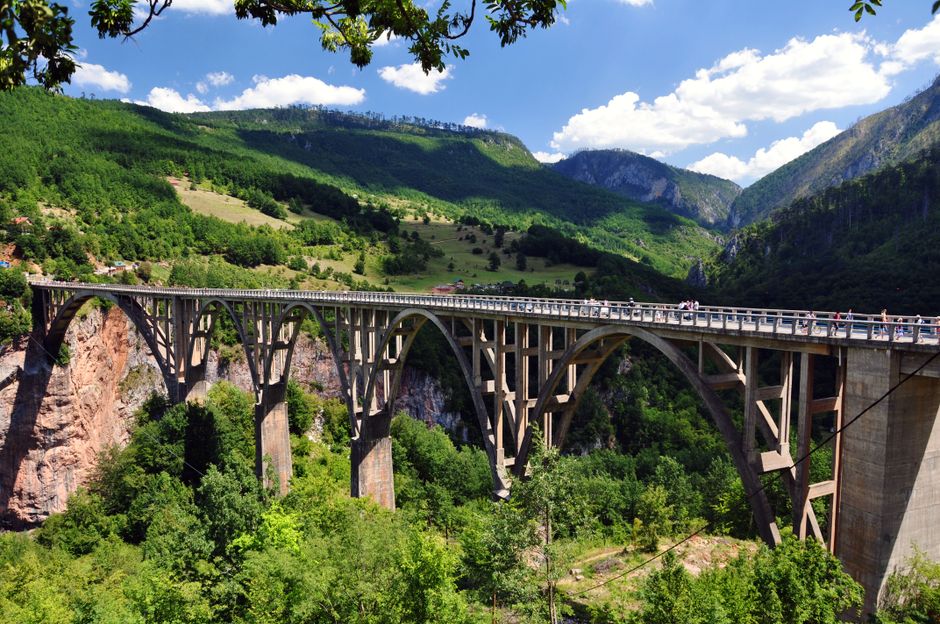
Baksan Gorge
Carved deep into the Central Caucasus southwest of Nalchik, the Baksan Gorge unfurls as a dramatic fracture of sheer porphyry and granite cliffs rising thousands of meters above the churning, slate-gray torrent of the Baksan River. For millennia a rugged conduit for Alan tribes and Turkic Balkar pastoralists, this mountain corridor bore witness to fierce conflict in late 1942, when the German 49th Mountain Corps clashed with Soviet defenders in brutal high-altitude skirmishes to secure the approaches to Mount Elbrus. Beneath the jagged canyon floor near the mining town of Tyrnyauz, the landscape harbors an unexpected feat of Soviet engineering: the subterranean Baksan Neutrino Observatory, where scientists carved four kilometers of tunnels into the root of Mount Andyrchi to detect cosmic particles deep within the Earth’s mantle. Ascending the A158 highway toward the gorge’s glaciated terminus, travelers feel the air thin and chill sharply, perfumed by dense stands of relict Scots pine clinging to precipitous scree. The canyon alternately constricts into narrow, shadow-drenched defiles of rust-hued rock and widens into alpine meadows grazed by Karachai horses. Near the village of Terskol, the canyon walls finally peel back to reveal the blinding, double-domed snowfields of Elbrus looming over the valley. Standing by the roar of the glacial meltwater, visitors are gripped by an overpowering sense of scale, suspended between towering basalt battlements and the frozen rooftop of Europe.