
Sur
Tucked along the eastern coastline of Oman between the Gulf of Oman and the arid foothills of the Hajar mountains, Sur retains the quiet rhythm of an ancient seafaring outpost. Walking through its waterfront alleys, the scent of brine blends with frankincense drifting from residential courtyards. The town folds around a sheltered lagoon where tides expose pale sandbars, framed by white low-rise architecture that recalls centuries of Indian Ocean trade. By the sixth century, Sur had established maritime routes reaching East Africa and India, later flourishing through the eighteenth century as the region’s preeminent dhow-building center. Across the lagoon lies Al Ayjah, an old merchant quarter filled with carved timber doors, pale plaster homes, and a stone harbor lighthouse. Along the water, the traditional dhow yard still operates, where shipwrights shape heavy teak hulls by hand without written blueprints. Inland, the four-towered Sunaysilah Fort and Bilad Sur Castle stand as well-preserved reminders of historical defenses against desert skirmishes. Daily life centers on the morning fish souq, where vendors auction fresh yellowfin tuna beside stalls selling warm Omani halwa. In late afternoon, residents gather along the corniche for cardamom coffee and dates as the heat relents. The ideal time to visit is from November through March, when temperatures are mild; navigate on foot within individual quarters like Al Ayjah, but rely on local taxis to bridge the distances between the lagoon, the shipyard, and the outlying forts.
Read more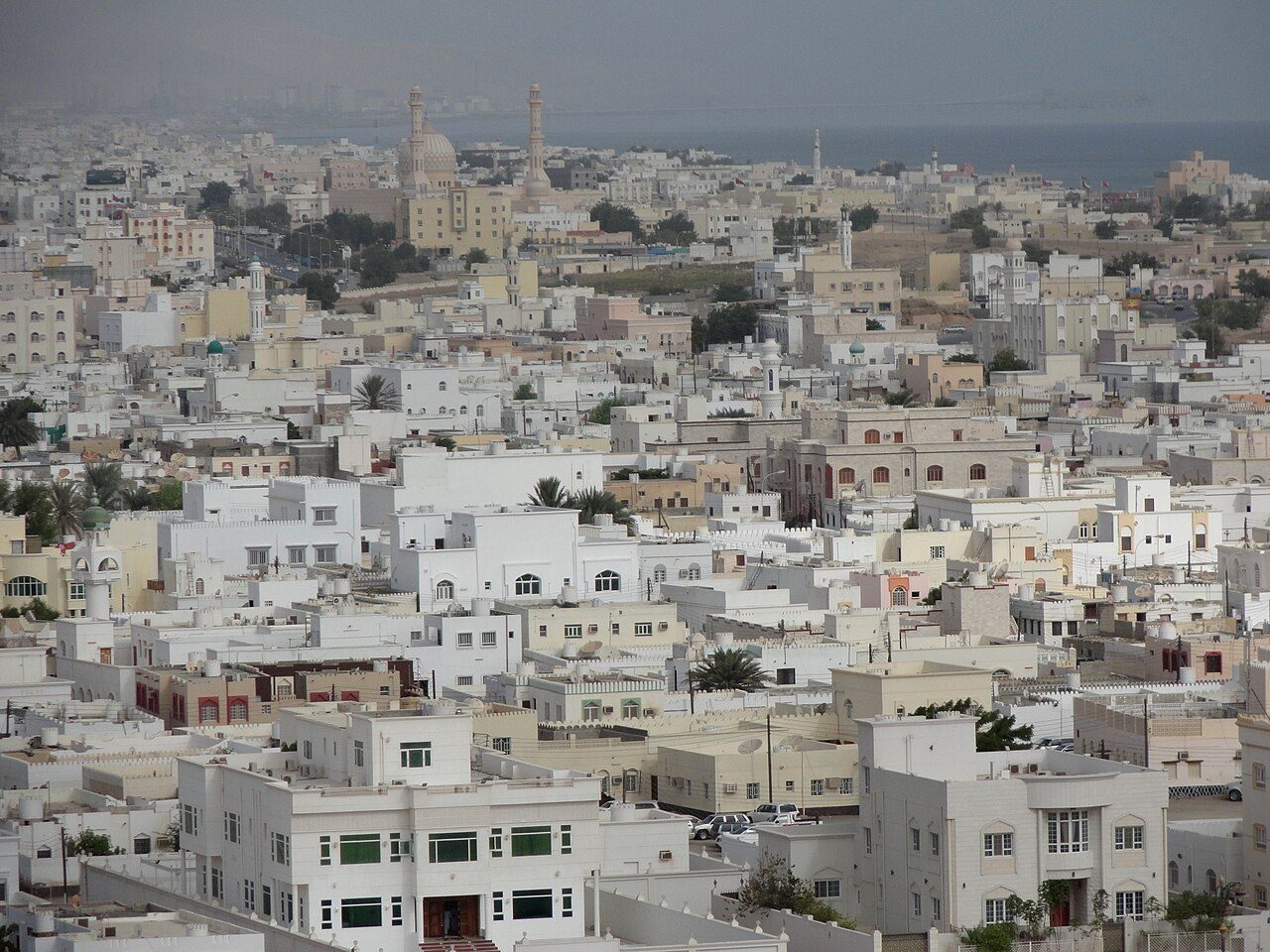
What to see in Sur
Photo credits (2)
- Fabio Achilli from Milano, Italy, CC BY 2.0, via Wikimedia Commons
- Bernhard Dunst, CC BY-SA 4.0, via Wikimedia Commons