Puno
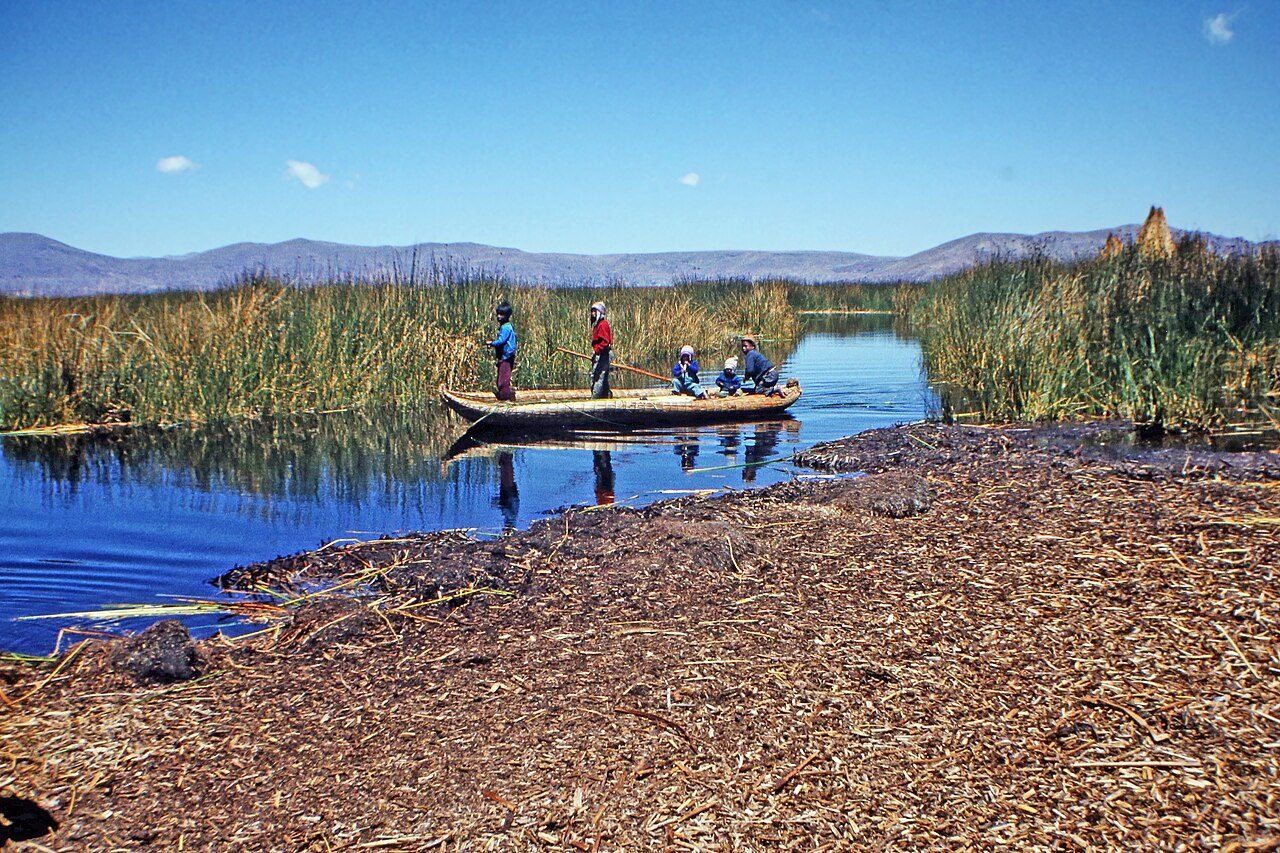
Perched at 3,800 meters on the windswept Altiplano of southeastern Peru, Puno grips the western shore of Lake Titicaca beneath bare, rusty hills. The thin mountain air feels sharp and dry, while bright sunlight glints off the vast water. Walking along the pedestrian corridor of Jirón Lima, the rhythm is purposeful, with residents wrapped in thick alpaca wool against the cold and three-wheeled bicycle taxis rattling down cobbled cross streets. Founded in 1668 by Spanish Viceroy Conde de Lemos, the settlement centers on the Plaza de Armas and its seventeenth-century cathedral, sculpted from grey stone with mestizo baroque motifs. Just north, Cerro Huajsapata rises above the red-brick town with a stone monument to Manco Cápac, the mythic first Inca. Out on the water, the woven totora reed platforms of the Uros preserve centuries of lacustrine engineering, while thirty kilometers inland, the cylindrical stone chullpa towers of Sillustani mark ancient Kolla burial grounds overlooking Lake Umayo. At the bustling Mercado Central, vendors serve hot plates of fried lake trout and steaming broths alongside towers of native potatoes. Puno honors its deep cultural roots each February during the Fiesta de la Candelaria, when brass bands and costumed dancers in heavy devil masks take over the avenues for over a week. To manage the high altitude, visit during the dry months from May to September, pack thermal layers for the rapid drop in temperature at sunset, and rely on inexpensive mototaxis to reach the docks.
Read more