
Mashhad
Nestled in the valley of the Kashaf River between the Binalud and Hezar Masjed mountains in northeastern Khorasan, Mashhad moves to the rhythm of devotion and trade. The air carries scents of dried lime, rosewater, and roasting meat. Walking the central boulevards, you share wide pavements with millions of pilgrims in chadors alongside clerics and merchants, all drawn inexorably toward the golden dome at the city core. Mashhad took shape after 818 CE, when the eighth Shia Imam, Ali al-Rida, died and was buried here. His shrine complex is a colossal sanctuary of mirror-tiled iwans, vast courtyards, and the 15th-century Goharshad Mosque, celebrated for its Timurid blue tilework. Outside the holy precinct, the modernist granite tomb of Nader Shah Afshar honors the 18th-century conqueror with bronze equestrian statues, while thirty kilometers north in ancient Tus, the marble mausoleum of the poet Ferdowsi commemorates the master of the Persian epic. Evenings draw crowds to suburban Shandiz for platters of grilled shishlik lamb ribs, served alongside fragrant mounds of rice colored with local saffron. Deep inside the two-story corridors of Bazaar-e Reza, merchants grade sky-blue turquoise from nearby Nishapur and weigh crimson Khorasan saffron by the gram. Visit during spring or late autumn to avoid scorching heat and intense holiday surges, and use the clean, efficient metro line to navigate across the dense city grid.
Read more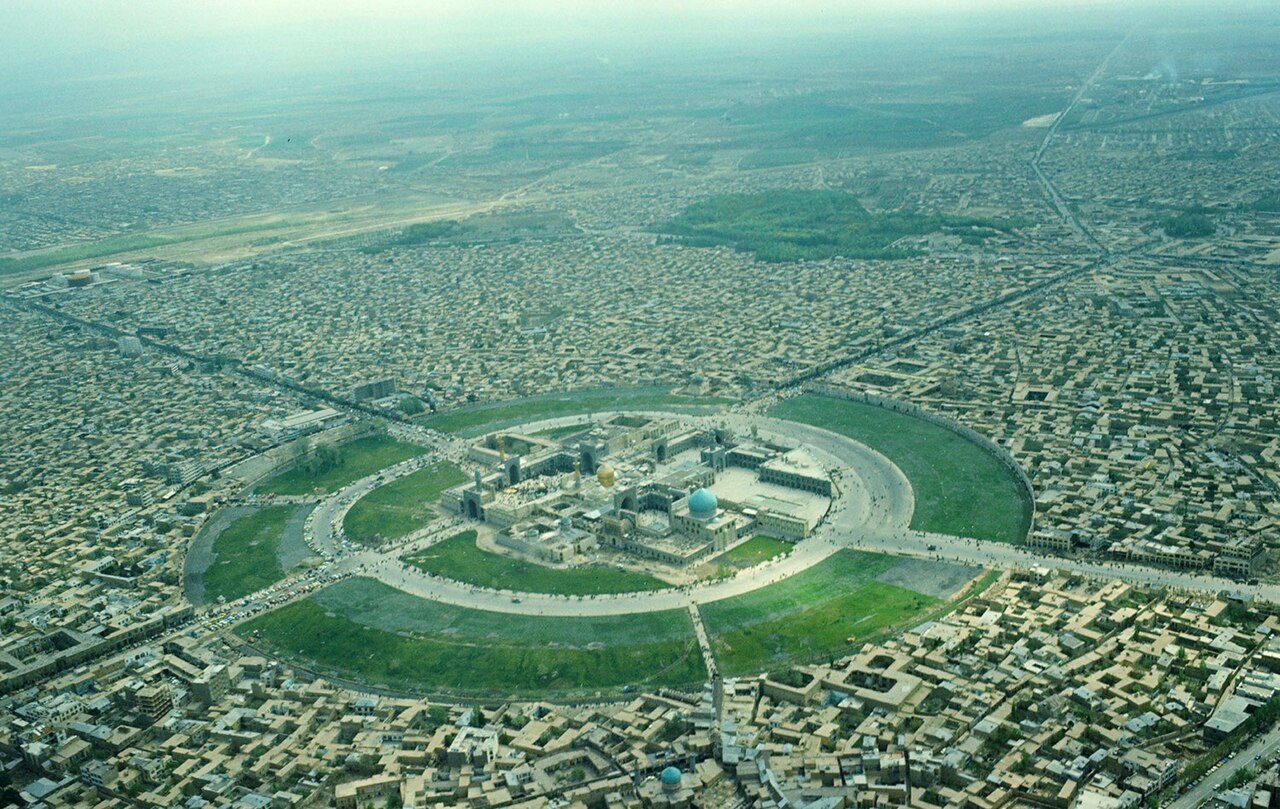
What to see in Mashhad
Photo credits (1)
- photo.aqr.ir (unknown photographer), Public domain, via Wikimedia Commons