
Kerak
Perched on a triangular plateau roughly a thousand meters above sea level, Kerak presides over the rugged highlands of southern Jordan, flanked by deep ravines that drop toward the Dead Sea. Walking through the old town involves navigating steep, limestone-paved lanes where brisk mountain winds sweep between sandstone houses built during late Ottoman rule. Daily life moves at a deliberate pace centered around the narrow ridgeline, accompanied by the calls of fruit vendors and the clinking of small glasses in local tea shops. The skyline belongs entirely to Kerak Castle, a massive fortress begun in 1142 by the Crusader lord Payen le Bouteillier and expanded by Mamluk sultan Baibars after Saladin seized the stronghold in 1188. Exploring its dark barrel vaults and subterranean barracks reveals centuries of layered military architecture. In the lower courtyard, the Kerak Archaeological Museum houses artifacts from the Iron Age Moabites who first fortified this ridge. Outside the battlements, the old Ottoman quarter features distinctive arched masonry, while Roman-era foundations remain visible along the marketplace grid. Kerak is celebrated as the source of Jordan's finest jameed, the sun-dried goat yogurt essential for preparing mansaf. In the souq near the Grand Husseini Mosque, regional farmers sell these hard, salty spheres alongside wild sage and olive oil. Spring and autumn provide the best conditions for walking, as winter brings biting cold and heavy fog. Arrive in the morning to explore the castle corridors before tour buses arrive along the Kings Highway, and wear rubber-soled shoes to manage the slick medieval flagstones.
Read more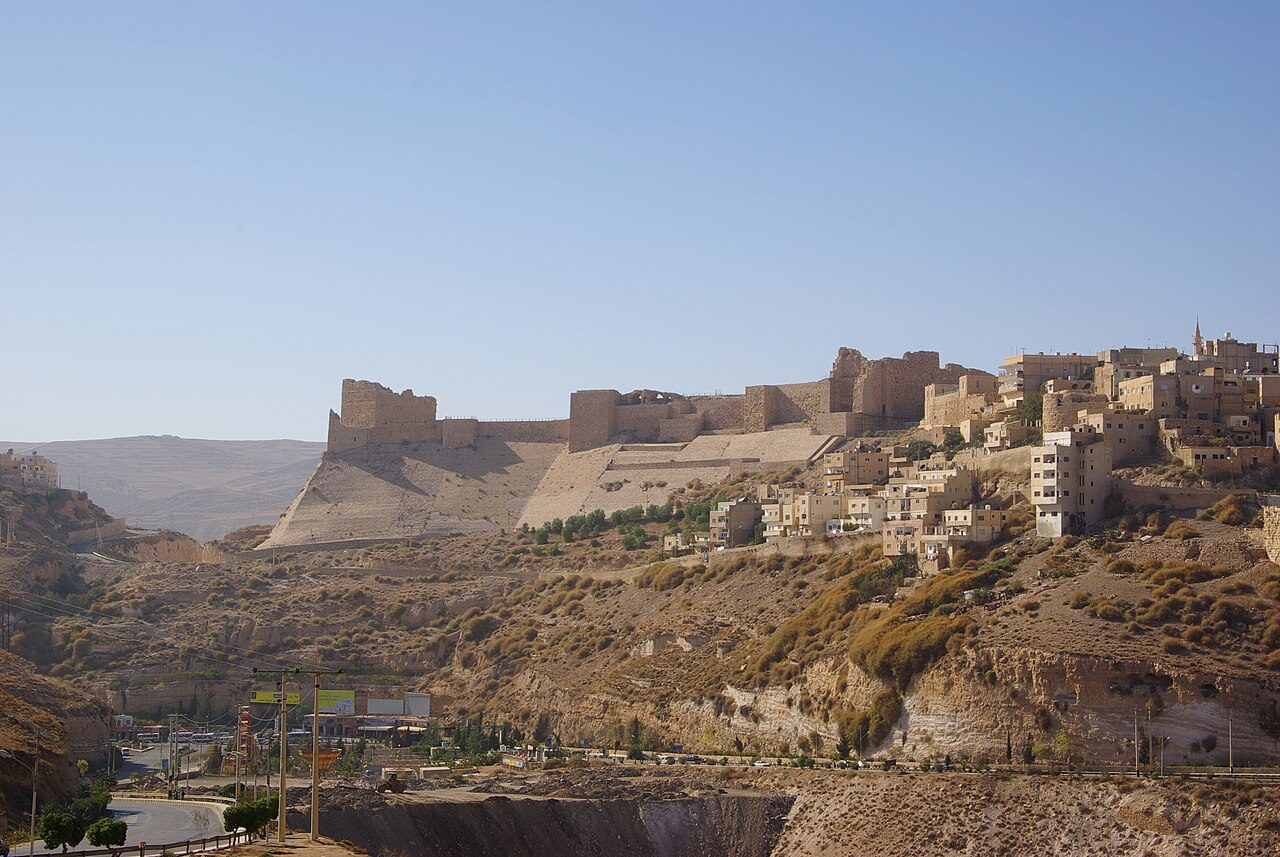
What to see in Kerak
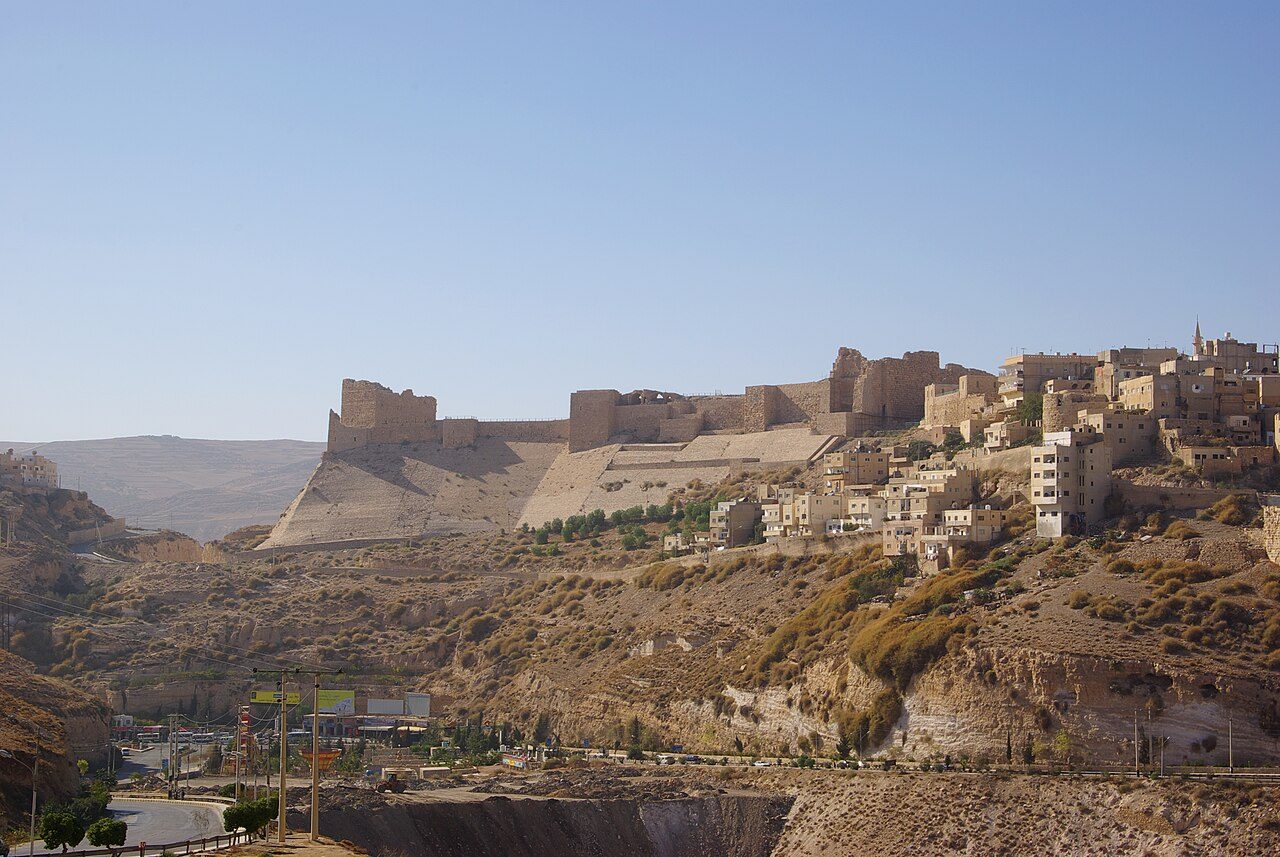
Photo credits (3)
- Berthold Werner, CC BY 3.0, via Wikimedia Commons
- Berthold Werner, CC BY 3.0, via Wikimedia Commons
- YousefTOmar, CC BY-SA 3.0, via Wikimedia Commons