Boracay
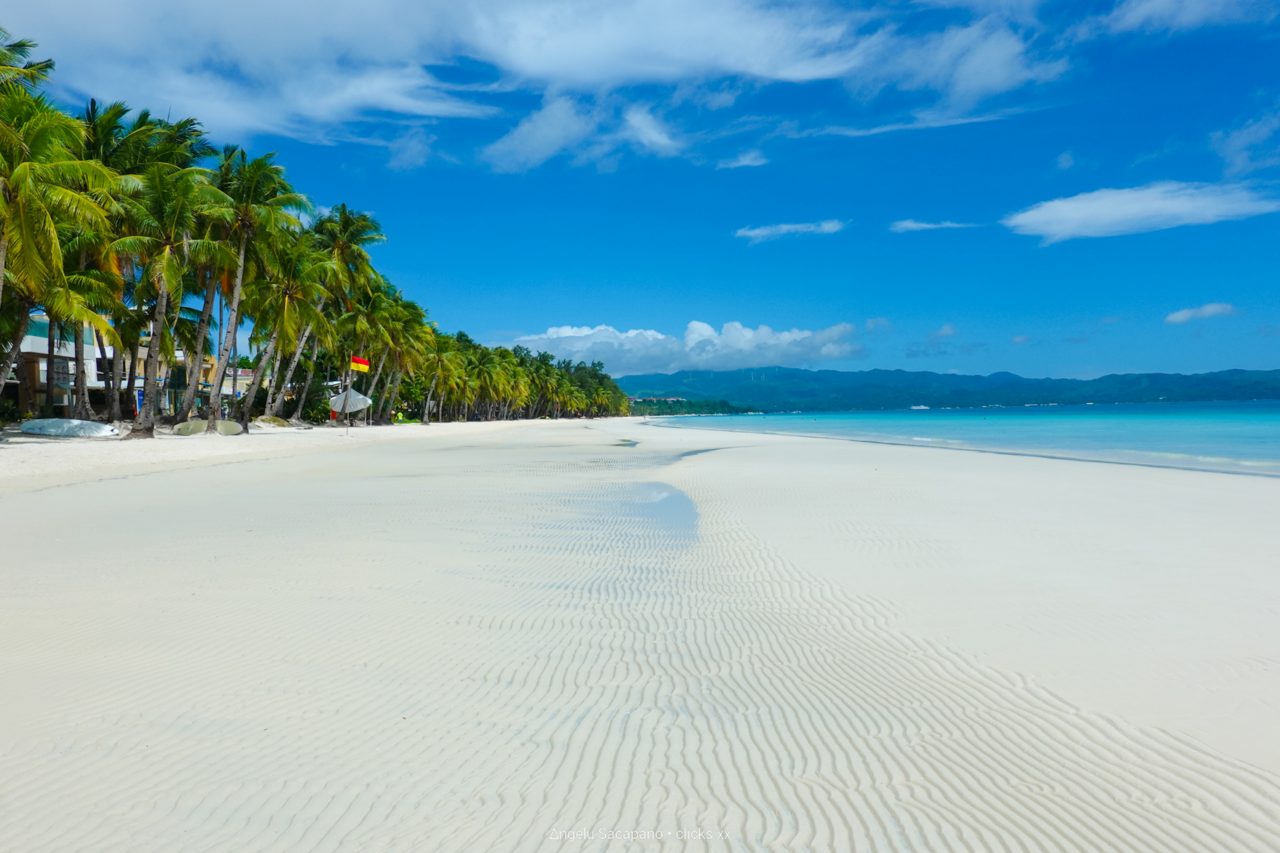
Shaped like a narrow bone in the Sibuyan Sea, Boracay rests off the northern tip of Panay in the Western Visayas. Walking its western shoreline, the pale, powdery coral sand stays cool underfoot even at midday. The sandy pedestrian trail weaves beneath coconut palms, shifting from open shoreline to narrow village alleys that cut across the island's low interior hills. Long home to the indigenous Ati people, the island remained largely agricultural until German travel writer Jens Peter popularized its beaches in 1978. Following decades of rapid development, a landmark environmental closure in 2018 restored strict coastal regulations. White Beach remains organized into three numbered boat stations: Station 1 holds the widest sands and Willys Rock, a volcanic outcropping holding a small shrine; Station 2 serves as the busy retail and dining core; and Station 3 retains a quiet, rustic atmosphere under dense tree cover. On the opposite eastern shore, windswept Bulabog Beach attracts kiteboarders to its shallow bay. Meals often revolve around markets like DTalipapa, where cooks grill fresh crab, squid, and red snapper seasoned with calamansi lime and native chilies. In January, islanders celebrate the regional Santo Nino fiesta with rhythmic drumming and street dances rooted in Ati traditions. Shared electric tricycles run along the paved inland road for easy transit. The calmest weather runs from November through April during the Amihan season, when offshore breezes leave the western water flat and clear for swimming.
Read more