Bidiyah
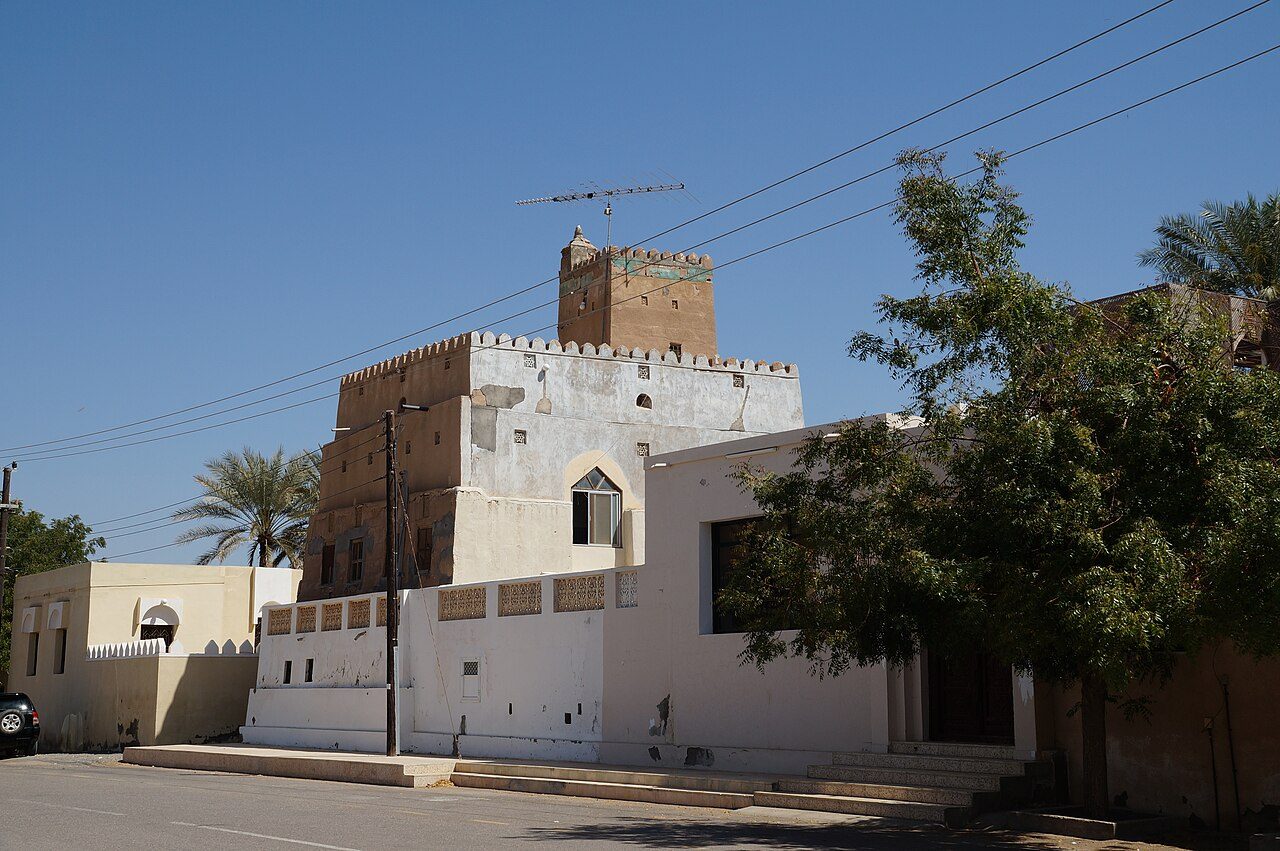
Bidiyah sits in the Ash Sharqiyah North Governorate, straddling the boundary where the rugged foothills of the eastern Hajar mountains yield to the towering red ridges of the Sharqiyah Sands. Walking through its cluster of oasis settlements, you move between the quiet shade of date palm groves fed by ancient falaj channels and wide, sunlit roads swept with desert grit. It feels like a purposeful agricultural hub anchored by desert trade, where mudbrick watchtowers crumble beside modern homes and pickup trucks haul loads of green fodder. The district developed over centuries as a vital frontier between Bedouin grazing territory and northern trading centers. In the central settlement, Al Mintarib Fort stands as the primary historic anchor, dating to the thirteenth century before undergoing significant nineteenth-century reinforcements under Sultan Turki bin Said. Farther into the settlement network, the quiet village of Hawiyah shelters a freshwater spring against sweeping dunes, while the historic quarters of Al Ghabbi and Al Raka feature stone watchtowers built to defend vital village wells during tribal conflicts. Daily life revolves around livestock, oasis farming, and desert transport. Winter weekends draw crowds to local sand tracks for Al Ardha, a traditional display of running camel races and horseback riding that showcases regional Bedouin horsemanship. The weekly souq in Al Mintarib remains the center for purchasing Khalas dates, desert honey, and livestock gear. Visit between November and February to avoid oppressive summer heat, and ensure you travel in a four-wheel-drive vehicle, as paved village lanes end abruptly at the open desert sands.
Read more