
Bergama
Spread across the Bakırçay River valley in the northern Aegean hinterland, Bergama rests below a sheer, wind-scoured ridge. Walking the lower town reveals an unhurried market community where red-tiled Ottoman roofs and cobblestone lanes in Kale Mahallesi incorporate ancient marble into modern garden walls. The Aegean Sea lies twenty kilometers to the west, but the inland air smells of wild thyme and dry pine, punctuated by the clatter of coppersmiths in the old bazaar. Established as the seat of the Attalid dynasty in 281 BCE, the Kingdom of Pergamon rivaled Alexandria in scholarship and pioneered the use of parchment. On the Acropolis ridge, the steepest theater of antiquity drops eighty tiers down the bedrock beside the white columns of the Temple of Trajan. In the valley below, the second-century Red Basilica stands as a colossal red-brick complex once dedicated to Egyptian deities, while the nearby Asklepion preserves the vaulted treatment tunnels where the physician Galen treated Roman patients. Mornings in town revolve around crumbly, aged Bergama tulum cheese and çığırtma, a dish of local eggplants and peppers fried in olive oil. Every June, the town hosts the Bergama Kermesi, a traditional cultural festival running continuously since 1937. Plan your trip for April, May, or October to avoid severe summer heat, and ride the cable car up to the Acropolis early in the day before exploring the flat, compact lower neighborhoods on foot.
Read more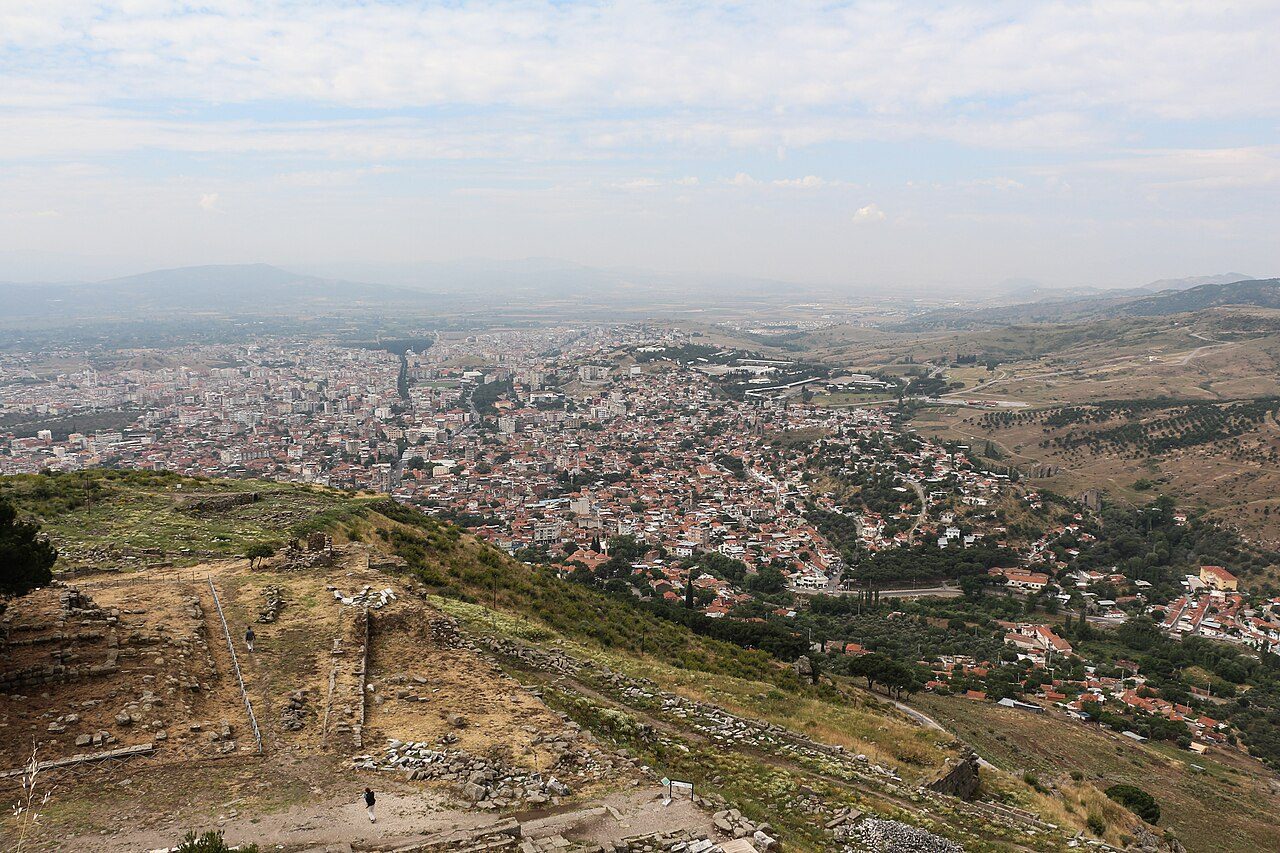
What to see in Bergama
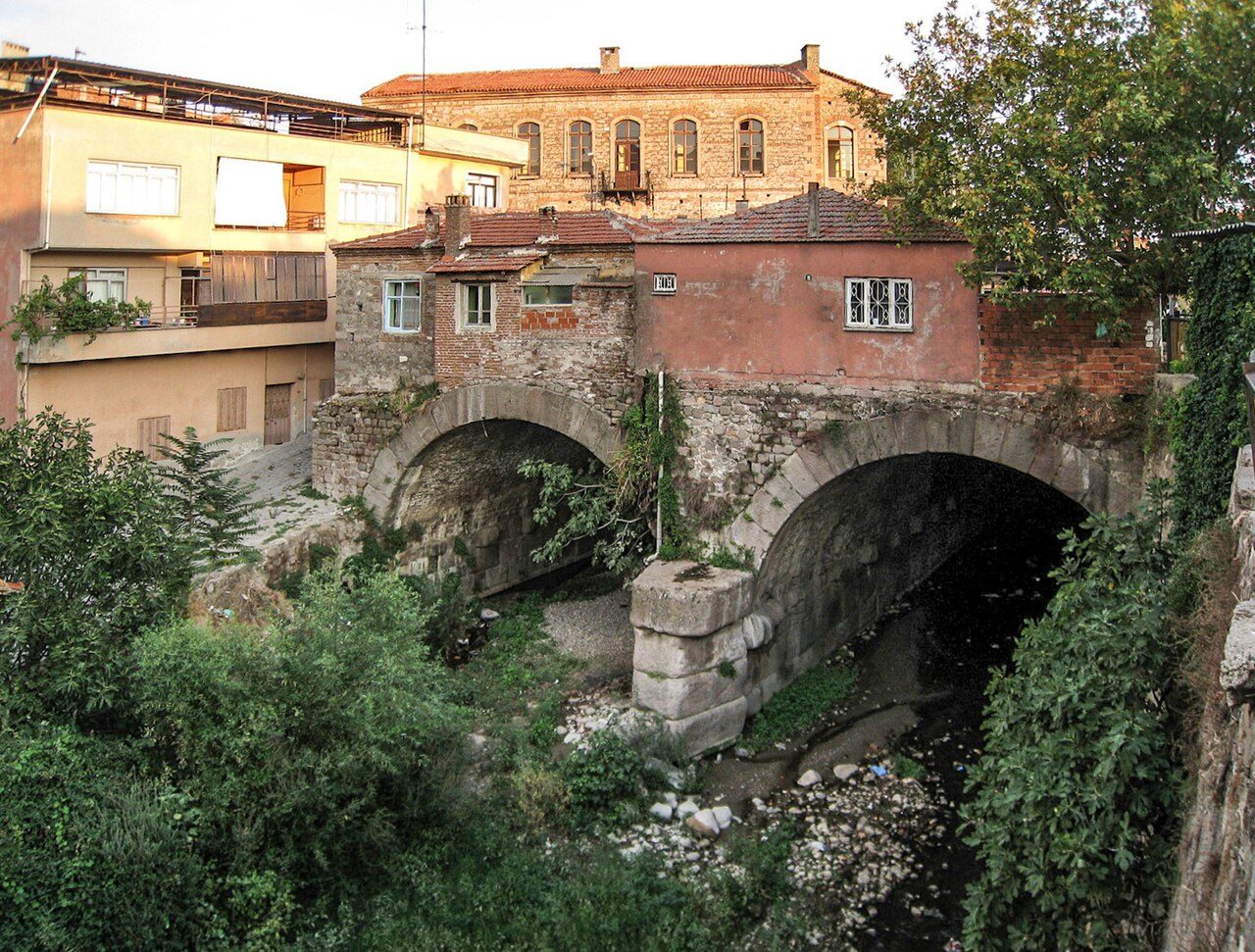
Photo credits (2)
- Bernard Gagnon, CC BY-SA 3.0, via Wikimedia Commons
- Prioryman, CC BY-SA 3.0, via Wikimedia Commons