
Abu Simbel
Set against the deep blue expanse of Lake Nasser near Egypt’s southern border with Sudan, Abu Simbel rests on a sunburned shelf of Nubian desert. Walking away from the water, the town feels stark and unhurried. Sandy lanes wind past single-story mudbrick houses painted in brilliant tones of indigo, saffron, and white, while dry desert winds stir the acacia trees along the lakefront. Pharaoh Ramesses II carved the twin cliff temples around 1264 BCE to project power southward. When the Aswan High Dam threatened to flood the valley, a landmark UNESCO engineering campaign dismantled and reassembled the structures on higher ground between 1964 and 1968. The Great Temple stands flanked by four 20-meter seated colossi, while the smaller Temple of Hathor honors Queen Nefertari, portraying her at equal scale to the pharaoh. Just behind the stone domes that support the relocated facade, the town's Nubian quarter reveals traditional barrel-vaulted homes designed to deflect the desert sun. Evenings center on small open-air eateries serving pan-fried Nile perch, sun-leavened bread, and chilled glasses of hibiscus tea. Twice a year, on February 22 and October 22, the Sun Festival fills the esplanade as dawn light aligns with the inner sanctuary statues. Travelers should avoid the midday bus convoys from Aswan by staying overnight; walking or taking a five-minute taxi to the temple gates at sunrise offers cooler air and solitude.
Read more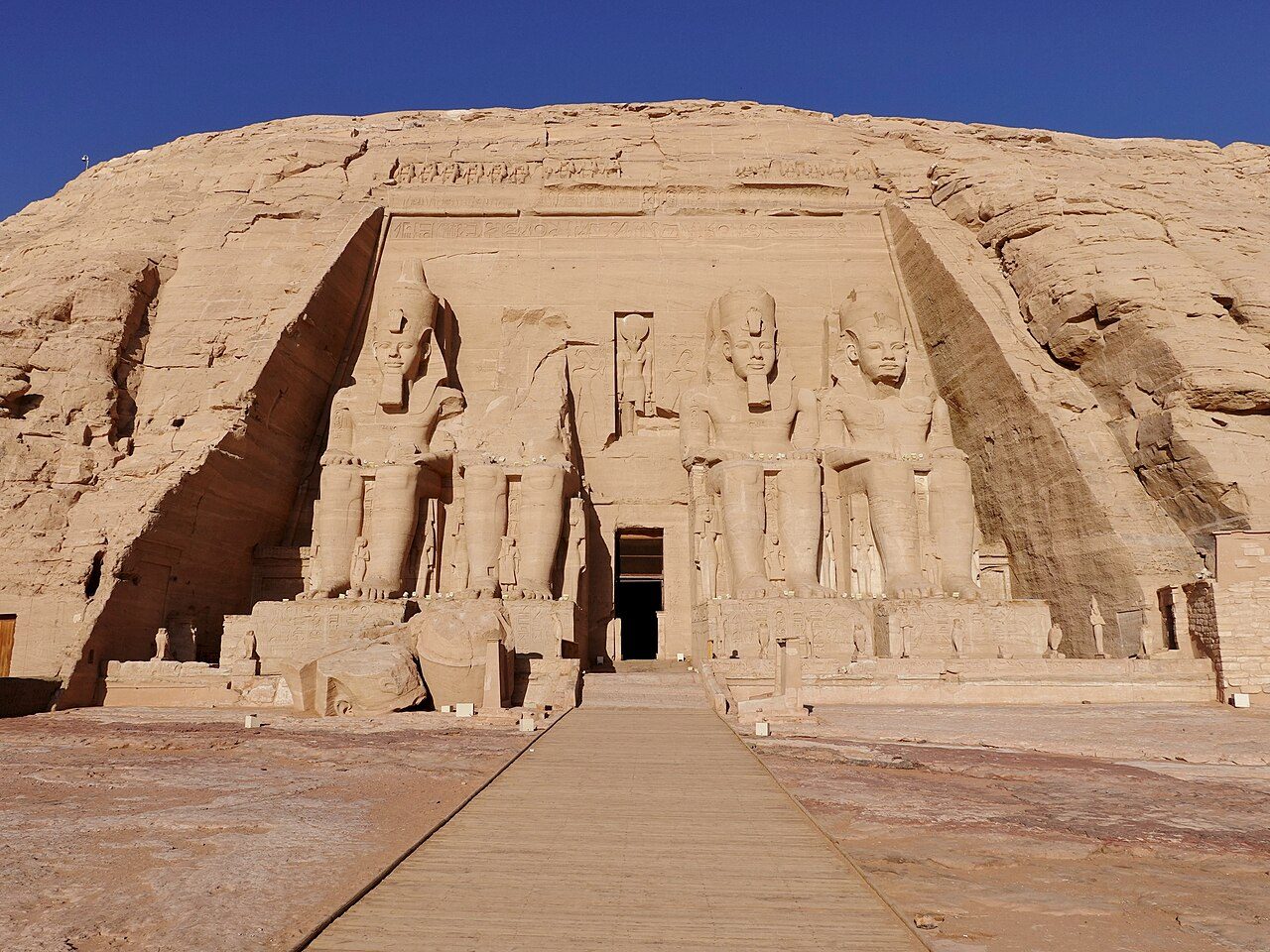
What's on in Abu Simbel
Biannual solar alignment where morning sunbeams illuminate the sanctuary of Ramses II at Abu Simbel, celebrated with traditional Nubian music and dancing.
Official infoEvents are collected automatically from the web. Dates can change, so please check the official information before you travel.